No. 1, Nazareth — History & Facts
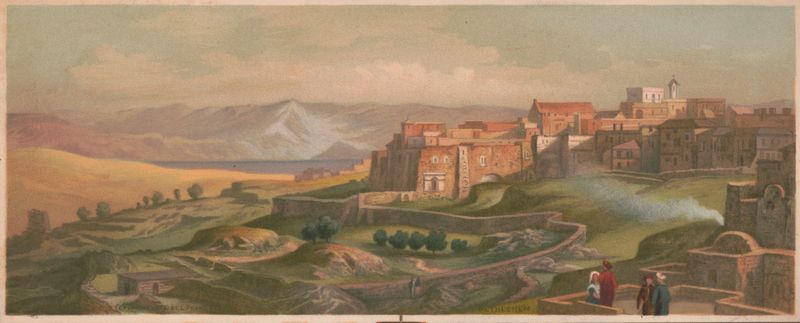
Art reveals the soul when the world turns away. In the case of No. 1, Nazareth, a delicate balance of light and color plays upon the canvas, inviting us to witness a moment of revelation.
The scene unfolds like a secret whispered among ancient stones, suggesting layers of history and emotion that lie just beneath the surface. Look to the center of the piece where a serene figure stands, bathed in soft, ethereal light. The warm tones of ochre and muted greens blend seamlessly, evoking the tranquility of a sun-drenched landscape. Notice how the brushwork creates a gentle rhythm, guiding the eye across the folds of fabric and the textured earth.
Each detail—the gesturing hands, the thoughtful gaze—contributes to a sense of quiet contemplation, urging the viewer to pause and reflect. Within this stillness lies a profound tension between the sacred and the mundane. The figure’s expression is both inviting and elusive, suggesting an inner journey amidst the external beauty of the setting. The interplay of shadow and light here symbolizes the broader human experience: moments of doubt and clarity, the known and the unknown.
This duality resonates deeply, encouraging viewers to find their own truths within the artwork's frame. In 1875, Louis Prang & Co. was at the forefront of chromolithography, a method that allowed for vibrant color reproduction in prints. Working in Boston, they aimed to make art accessible to a wider audience during a period marked by rapid industrial growth and societal change. This piece reflects their commitment to capturing and disseminating beauty during a time when art was transforming into a more inclusive dialogue, bridging the gap between elite and everyday viewers.