No. 2, Bethlehem — History & Facts
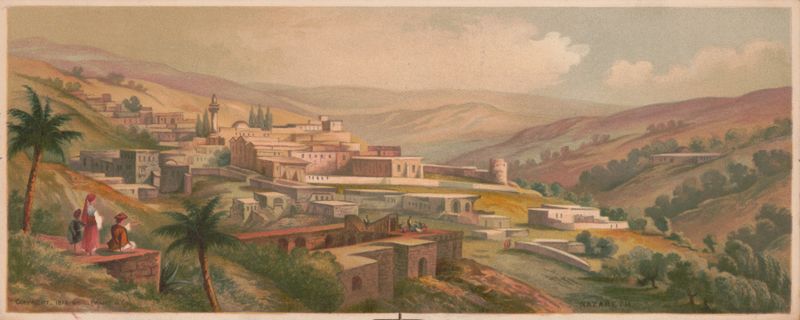
Did the painter know this moment would outlive them? In No. 2, Bethlehem, the echoes of history resonate, capturing the essence of a world on the brink of change. Look to the gentle hues that envelop the landscape, where muted blues and soft golds interlace to create a serene, yet charged atmosphere. The humble buildings sit nestled against a starlit sky, inviting the viewer to embrace the quiet before the storm of revolution.
Notice how the brushstrokes convey a subtle tension, each stroke whispering of the unyielding spirit of the time, while the composition draws the eye toward the radiant star, symbolizing hope amidst uncertainty. Beneath the surface, the painting reveals contrasts that echo deeper themes of faith and resilience. The warmth of the light emanating from the structures illuminates the profound stillness surrounding them, representing a fragile peace before upheaval. The juxtaposition of the traditional scene with the artist's innovative techniques hints at the impending changes in art and society, suggesting that moments of tranquility often precede transformative revolutions. In 1875, Louis Prang & Co., a pioneering American printmaker known for popularizing chromolithography, created this work during a time of social and political evolution in the United States.
The nation was grappling with the aftermath of the Civil War, and artistic movements were shifting towards realism and impressionism. This piece, reflective of both a sacred narrative and a response to contemporary issues, marks a significant intersection of tradition and innovation in art history.