Nocturnal Landscape — History & Facts
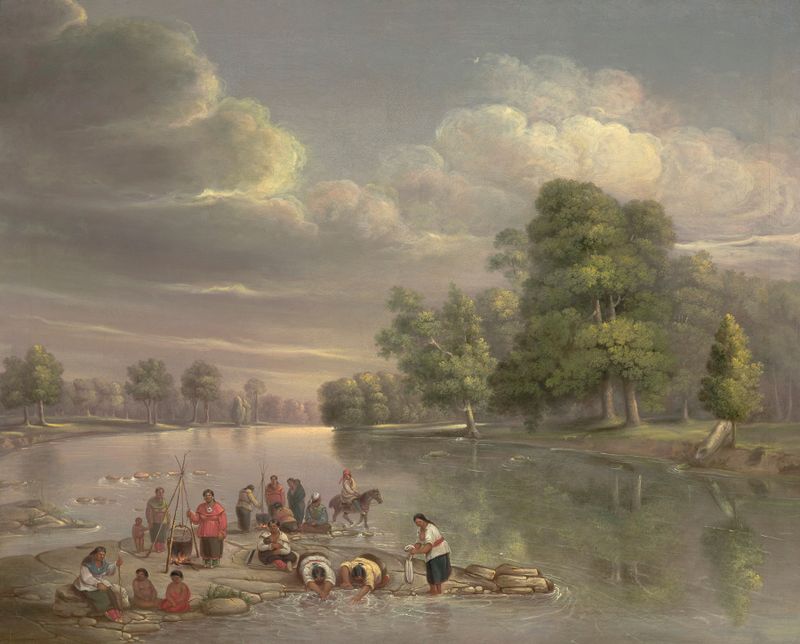
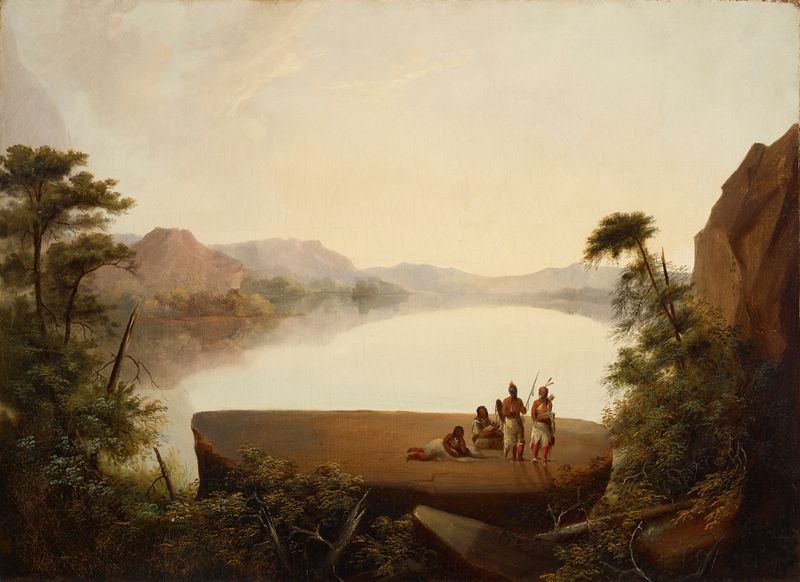
What if beauty was never meant to be finished? In the quiet stillness of nature, a haunting whisper of solitude beckons. Look to the left at the delicate treetops, their silhouettes intricately etched against an expansive night sky. The artist employs deep blues and soft grays, allowing the palette to evoke a tranquil yet enigmatic atmosphere. Notice the subtle gradation of light across the canvas, which suggests an unseen moon casting a gentle luminescence over the landscape, inviting you to ponder what lies beyond the frame.
Each brushstroke, deliberate yet unrefined, draws you into a serene embrace of silence. The raw contrasts between shadow and light hint at deeper emotional narratives, as if the stillness of the night holds untold secrets. The absence of human presence speaks volumes—an invitation to reflect on solitude and the intricate balance between nature’s beauty and its isolation. These details suggest a yearning for connection, simultaneously evoking peace and melancholy, as if the landscape itself is caught in a moment of contemplation. George Winter created this piece during a time of artistic exploration in the 19th century, where the Romantic movement urged artists to delve into emotional depth and natural beauty.
Working amidst the serene landscapes of America, the artist was influenced by both his surroundings and the evolving discourse in art, which sought to bridge the gap between human experience and the natural world. In this work, Winter captures a moment suspended in time, inviting the viewer to find their own meaning within the tranquil embrace of the night.