Scene on the Wabash — History & Facts
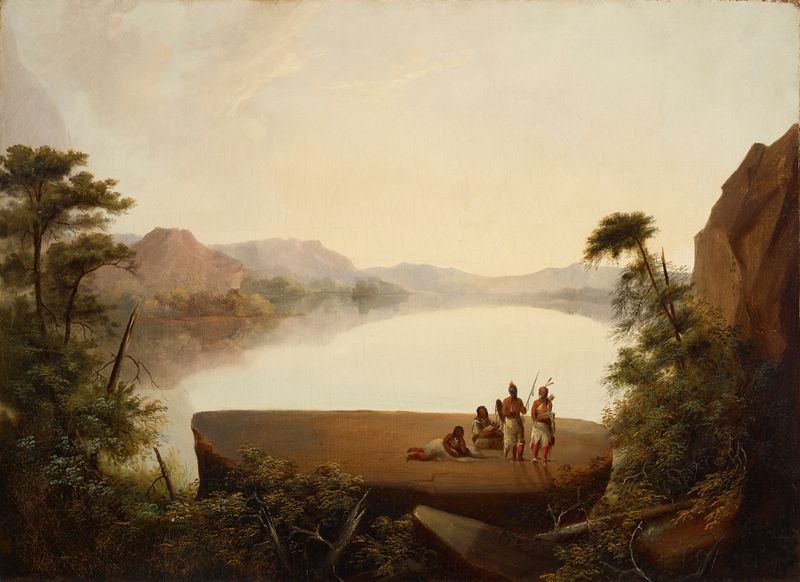
Did the painter know this moment would outlive them? As time ebbs and flows, certain captured instances resonate with us, bridging worlds across generations. Start by focusing on the graceful sweep of the river, glistening under the golden hue of dusk. The soft, earthy tones blend seamlessly with the vivid foliage, drawing your eye towards the figures engaged in their labor. Notice how the gentle ripples in the water reflect the sky’s warm embrace, crafting a serene ballet between land and water.
Each brushstroke conveys a sense of tranquility, serving as a reminder of the fleeting beauty of nature and life. Within this quiet scene lies a profound commentary on existence. The juxtaposition of the settlers against the expansive wilderness mirrors the tension between progress and preservation. Observe the attention to detail in the wooden structures, hinting at the fragility of human endeavor against the vastness of nature.
The small figures seem both powerful and vulnerable, embodying the complexities of ambition woven into their daily toil, creating an emotional depth that transcends mere representation. Created in 1848, during a period of westward expansion in America, the artist painted this scene while living in Indiana. At that time, there was a burgeoning interest in capturing the American landscape and the lives of its inhabitants. The blend of realism and romanticism in this work reflects not only Winter's personal artistic journey but also the broader movement of artists seeking to define the emerging American identity.