
Nordische Landschaft, Blick auf das Dorf Baldohn — History & Facts
In the stillness of memory, landscapes speak a language of their own, whispering tales of a time long past. Look to the left at the serene village nestled among rolling hills, where tiny cottages emerge like gentle brush strokes against the verdant backdrop. The delicate interplay of muted greens and soft browns creates a harmonious blend, inviting the viewer’s gaze to wander through the tranquil scene. Notice how the clouds, wispy and ethereal, cast a subtle light over the village, highlighting the roofs with a touch of warmth that contrasts with the cool shadows below. Hidden within this bucolic arrangement lies a juxtaposition of solitude and community.
The absence of people suggests a moment suspended in time, evoking feelings of nostalgia and reflection. The lush greenery embraces the village, symbolizing both nature’s bounty and isolation, while the horizon hints at a world beyond, suggesting the fleeting nature of memories. Each brushstroke captures not just a place, but an essence; the viewer is left to ponder the stories that remain unspoken. Created between 1809 and 1816, the artist was exploring the landscape genre during a period marked by Romanticism’s embrace of nature.
Miville, influenced by the changing tides of European art, sought to depict the serene beauty of his surroundings in the northern regions. As he painted, the world was grappling with the aftermath of the Napoleonic Wars, and art became a refuge, a means to reconnect with the past and evoke the emotional landscapes of memory.
More Artworks by Jakob Christoph Miville
Browse all →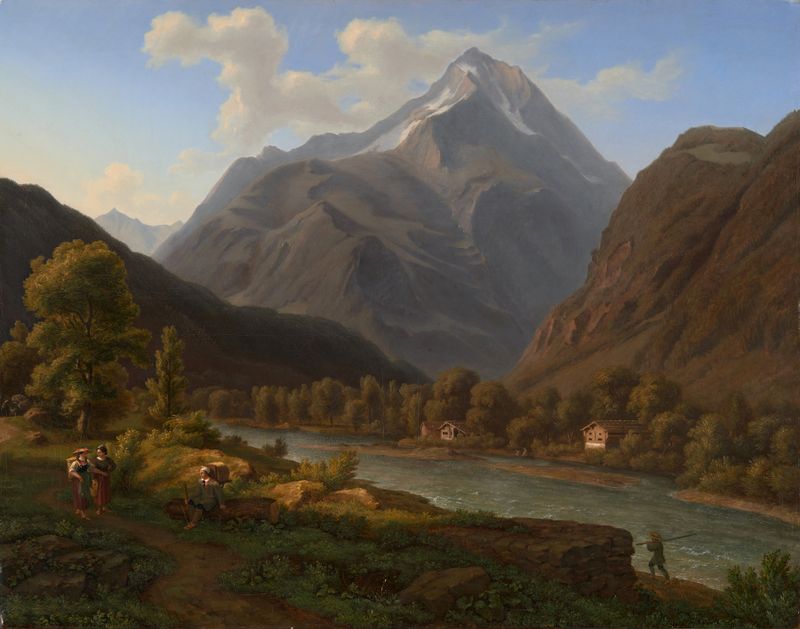
View of the Bristenstock close to Altdorf
Jakob Christoph Miville

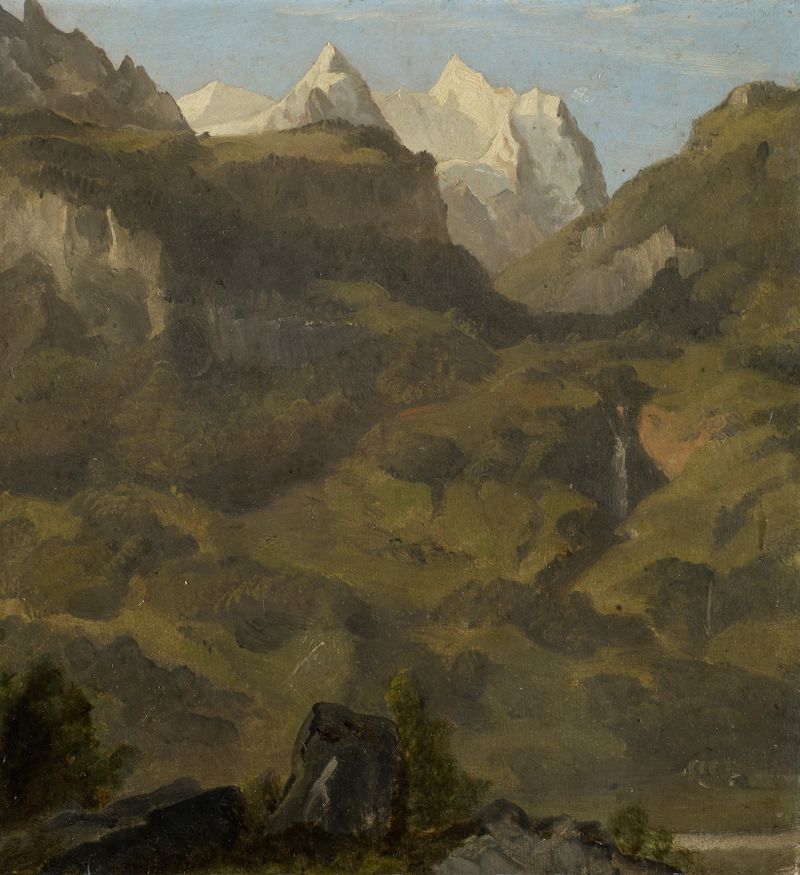
In the village of Meiringen towards the Well- and Wetterhorn
Jakob Christoph Miville
Reichenbach Falls and the Wetterhorn
Jakob Christoph Miville
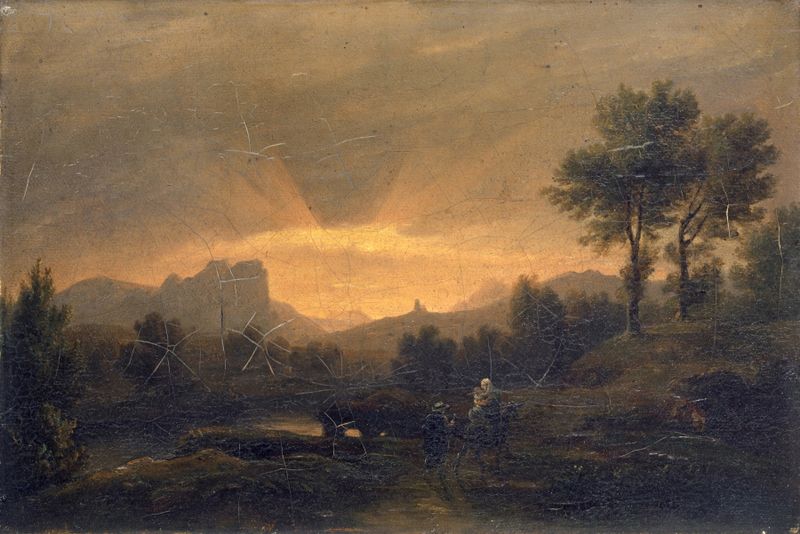
River Landscape with Flight into Egypt
Jakob Christoph Miville
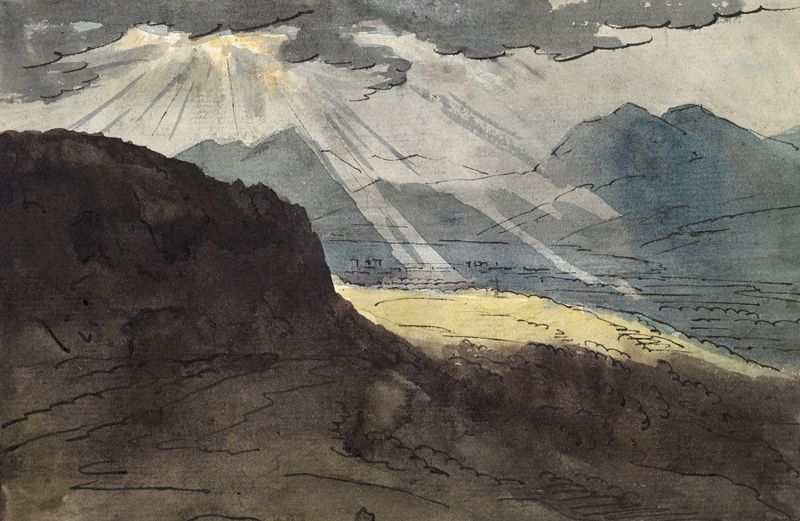
Gebirgslandschaft mit grellem Sonnenlicht
Jakob Christoph Miville
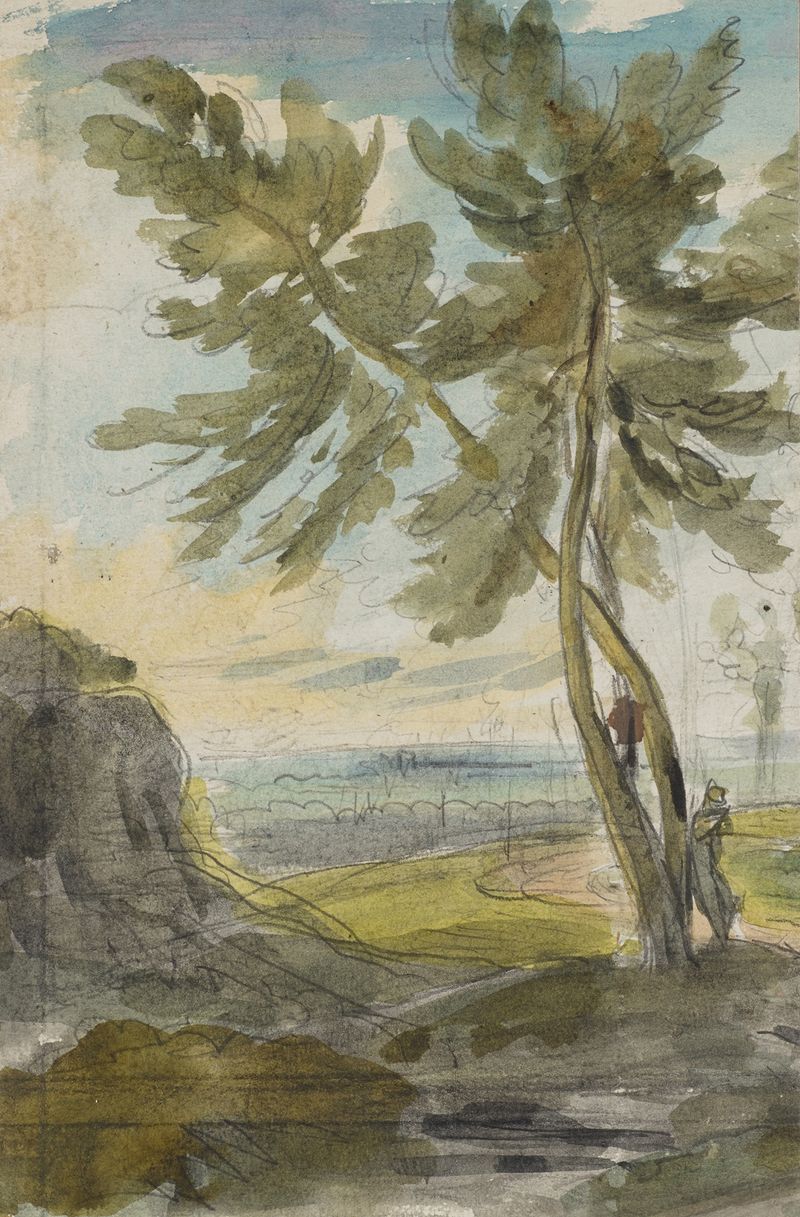
Baumpaar mit Staffagefigur
Jakob Christoph Miville
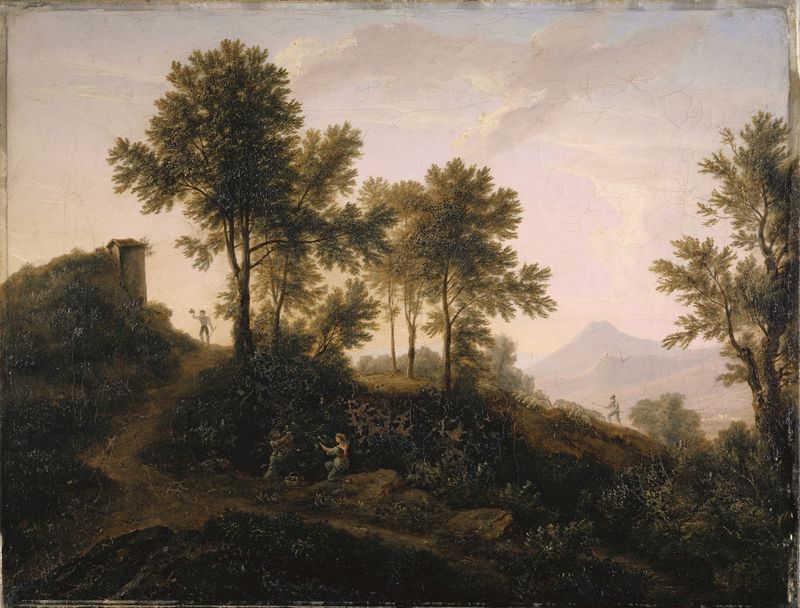
Italian Landscape
Jakob Christoph Miville

View from the Muttenz Quarry toward Basel and the Plains of the Rhine River
Jakob Christoph Miville
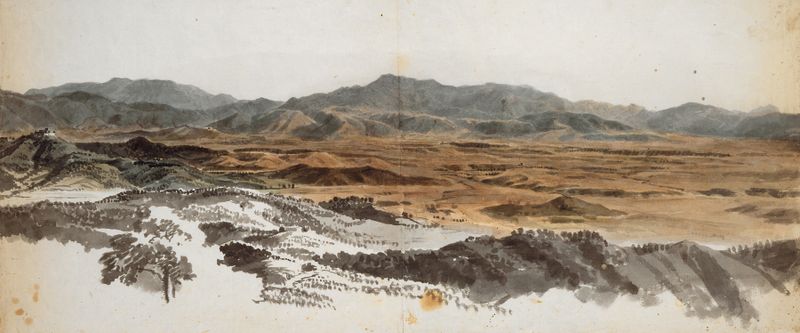
Panorama der Volskerberge
Jakob Christoph Miville

Olevano von Osten
Jakob Christoph Miville





