
Panorama der Volskerberge — History & Facts
Could beauty survive in a century of chaos? In Panorama der Volskerberge, the answer unfolds across a breathtaking expanse, inviting us to contemplate the delicate balance of innocence amidst tumultuous times. Look to the horizon, where soft, rolling hills are illuminated by a gentle dawn light. Notice the subtle gradients of color that transition from deep greens to soft blues and pale yellows, creating a harmonious atmosphere. The meticulous brushwork captures the earth’s textures, while the composition draws the eye towards the distant peaks, inviting exploration into the untouched wilderness that seems to breathe with untamed grace. Within this serene landscape lies a deeper narrative.
The juxtaposition of vibrant life against the distant mountains hints at fragility; the innocence of nature stands resilient yet exposed in the face of an uncertain future. Each tree and hillock embodies a promise, while the overarching sky evokes an emotional tension—will this beauty endure amidst the chaos of the era? The delicate balance invites both admiration and introspection, urging viewers to consider their own relationship with a world in flux. Painted between 1805 and 1807, this work emerged during a period of great social and political upheaval across Europe, particularly influenced by the Napoleonic Wars. Miville was working within the Romantic movement, which sought to capture nature's sublime beauty while reflecting on human emotions.
His focus on the landscape not only showcased his technical prowess but also echoed the longing for peace and stability in a world rife with uncertainty.
More Artworks by Jakob Christoph Miville
Browse all →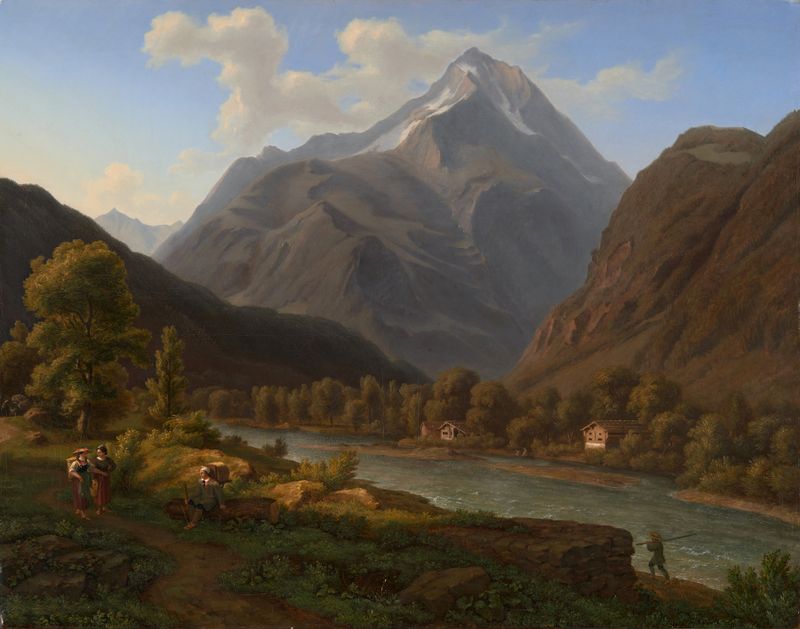
View of the Bristenstock close to Altdorf
Jakob Christoph Miville

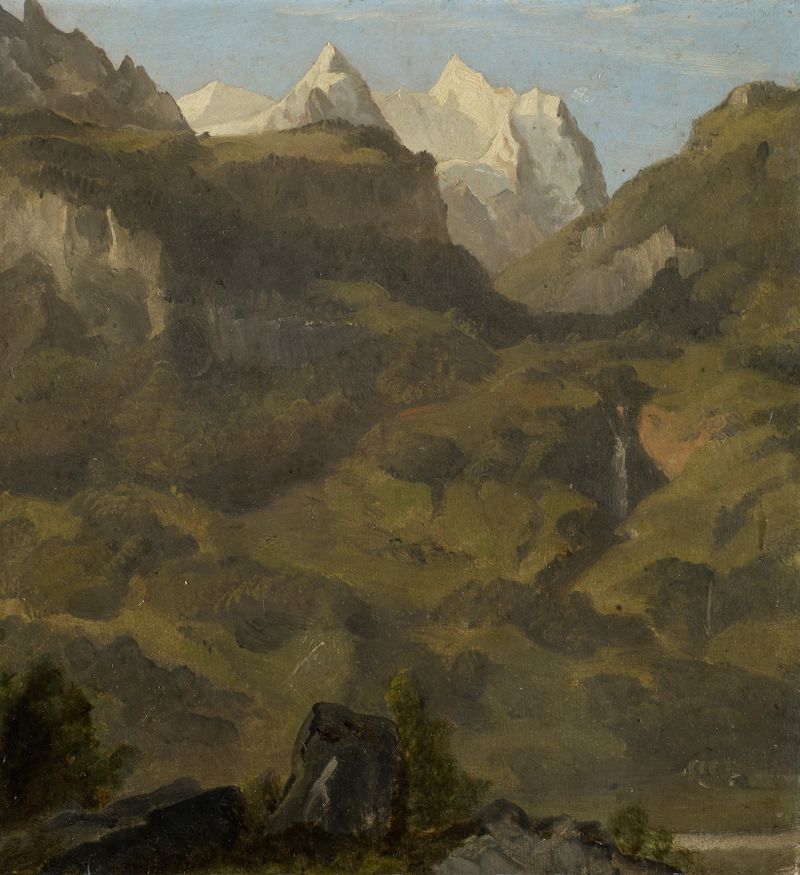
In the village of Meiringen towards the Well- and Wetterhorn
Jakob Christoph Miville
Reichenbach Falls and the Wetterhorn
Jakob Christoph Miville
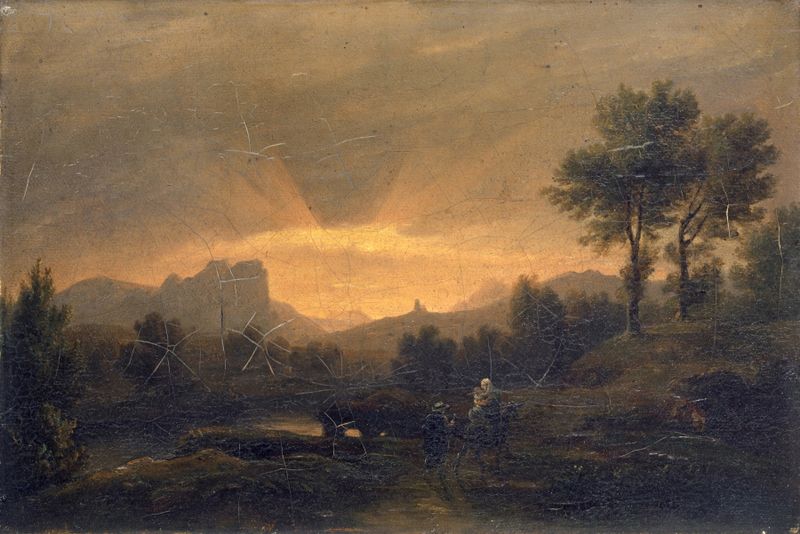
River Landscape with Flight into Egypt
Jakob Christoph Miville
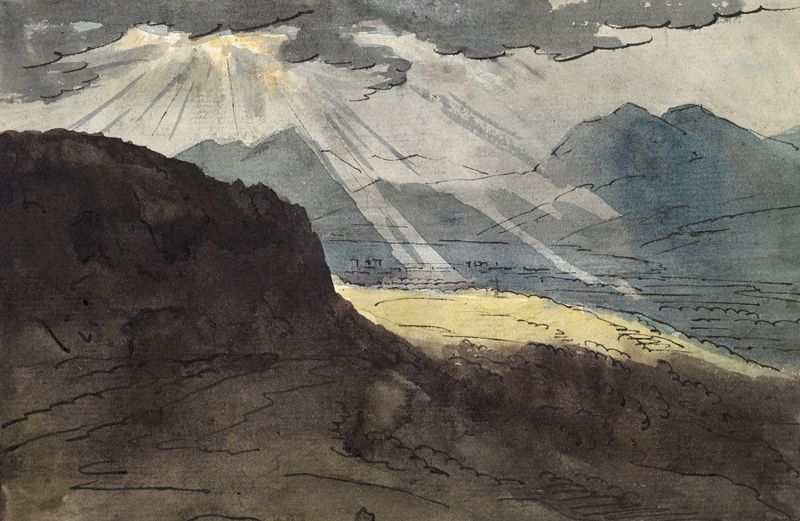
Gebirgslandschaft mit grellem Sonnenlicht
Jakob Christoph Miville
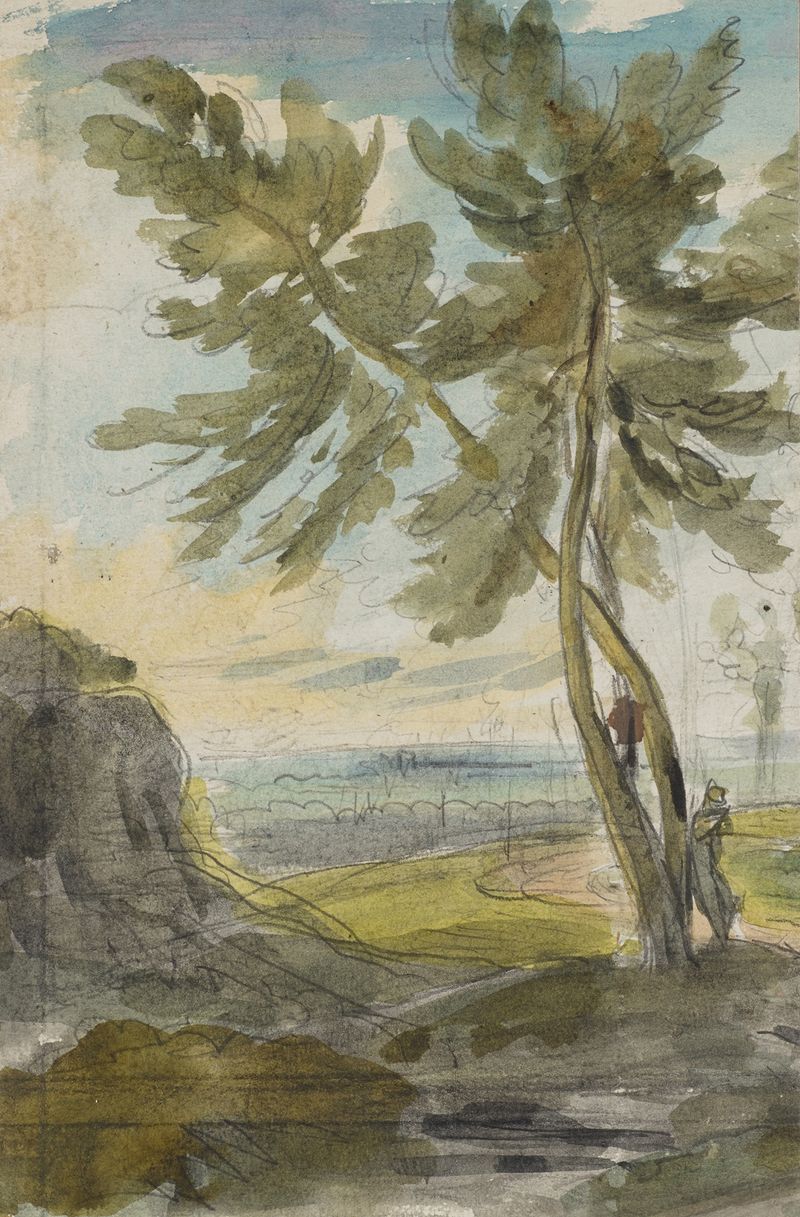
Baumpaar mit Staffagefigur
Jakob Christoph Miville
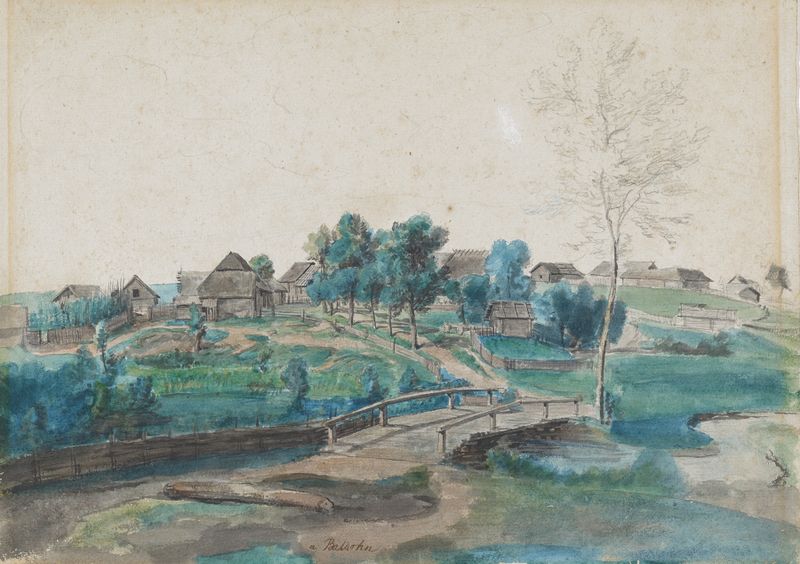
Nordische Landschaft, Blick auf das Dorf Baldohn
Jakob Christoph Miville
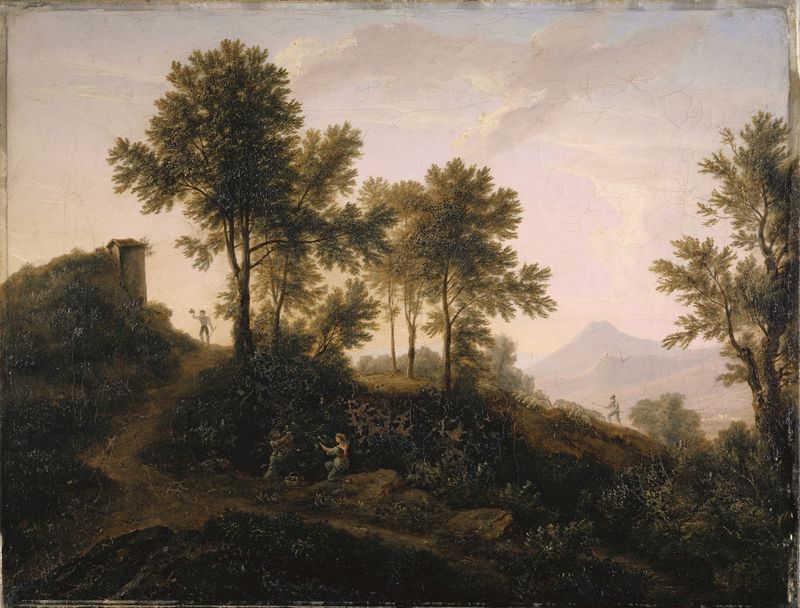
Italian Landscape
Jakob Christoph Miville

View from the Muttenz Quarry toward Basel and the Plains of the Rhine River
Jakob Christoph Miville

Olevano von Osten
Jakob Christoph Miville





