
Notre-Dame de Paris. Effet de neige, le soir — History & Facts
Did the painter know this moment would outlive them? The soft glow of evening light dances upon the snow-draped architecture, whispering secrets of fleeting beauty and eternal longing. Look to the left at the towering silhouette of Notre-Dame, its intricate Gothic elements softened by a veil of snowflakes. Notice how the muted palette of blues and grays evokes a serene stillness, while delicate touches of warm light illuminate the windows, hinting at life within. The artist skillfully blends broad brushstrokes with finer details, creating an interplay of form and atmosphere that draws the viewer into an enchanting winter’s night. Within this tranquil scene lies a poignant contrast between the monumental presence of the cathedral and the fragile dance of falling snow.
Each flake, unique and transient, emphasizes the permanence of the stone edifice, yet conveys a sense of impermanence immersed in the moment. The quietude of the evening captures a collective sigh of nostalgia, as if the very air holds its breath, cherishing the beauty of what might soon fade. In 1897, while painting this artwork, the artist was deeply engaged in the Impressionist movement, which emphasized the effects of light and atmosphere. Living in France during a time of rapid industrialization, he sought solace and inspiration in the beauty of nature and architecture.
This piece reflects both a personal response to the changing world around him and a broader artistic exploration of fleeting moments, forever captured on canvas.
More Artworks by Albert Lebourg
Browse all →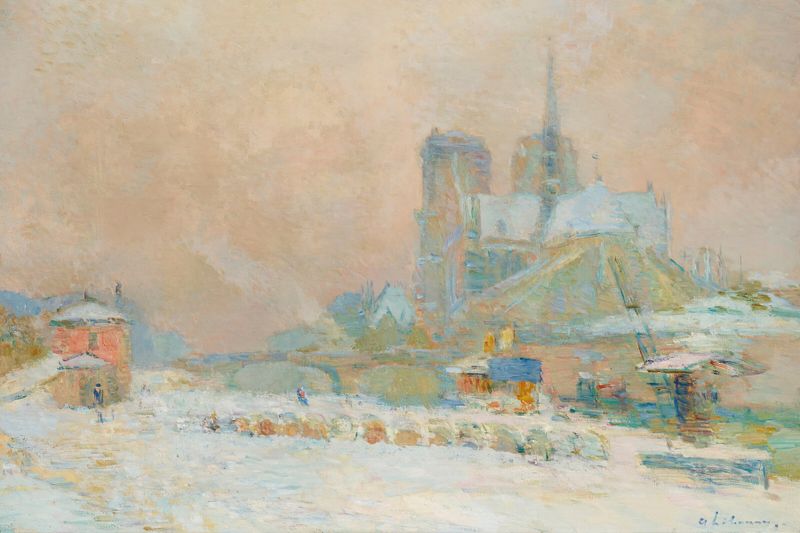
Notre Dame de Paris, vue du Quai de la Tournelle, effet de neige
Albert Lebourg
La Seine et les coteaux de Dieppedalle, vue prise de Croisset, près Rouen
Albert Lebourg
Péniche Et Bord De Seine Animé Près De Rouen
Albert Lebourg
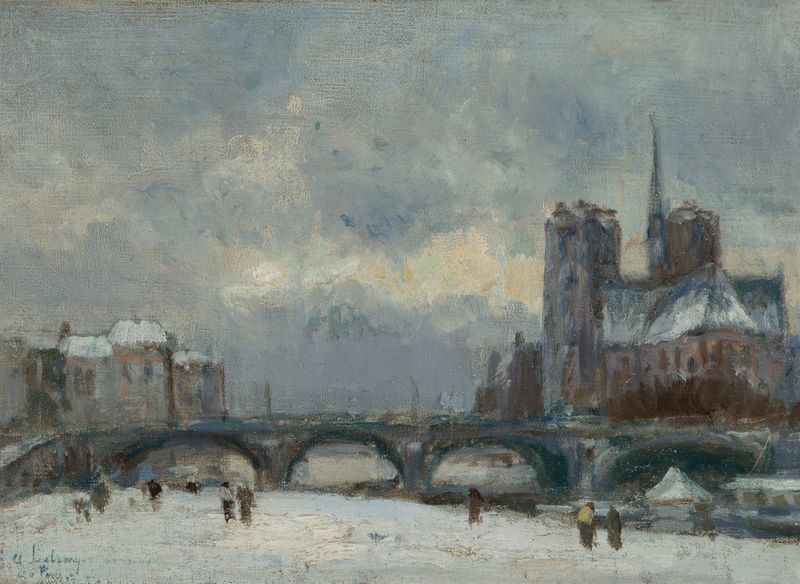
Paris, Notre-Dame, neige
Albert Lebourg
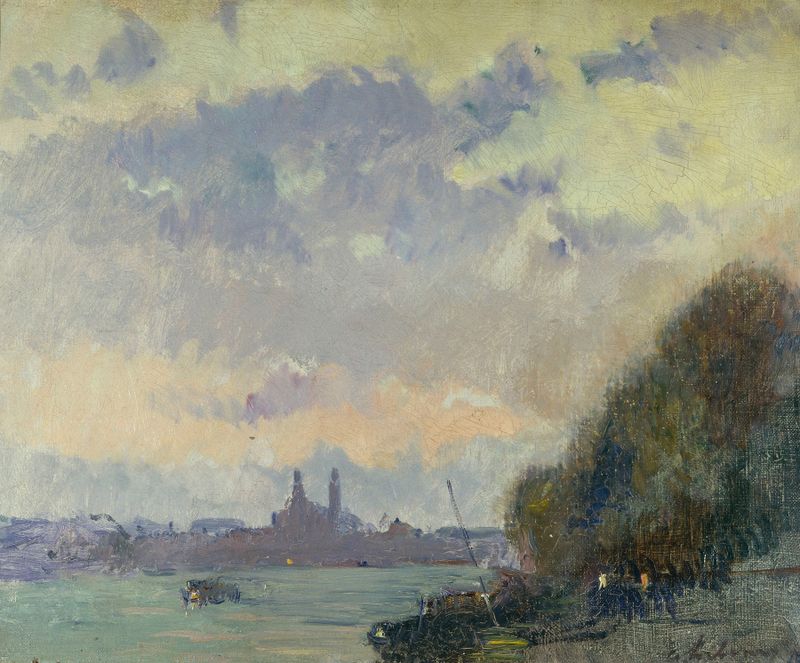
La Seine et l’ancien Trocadéro
Albert Lebourg
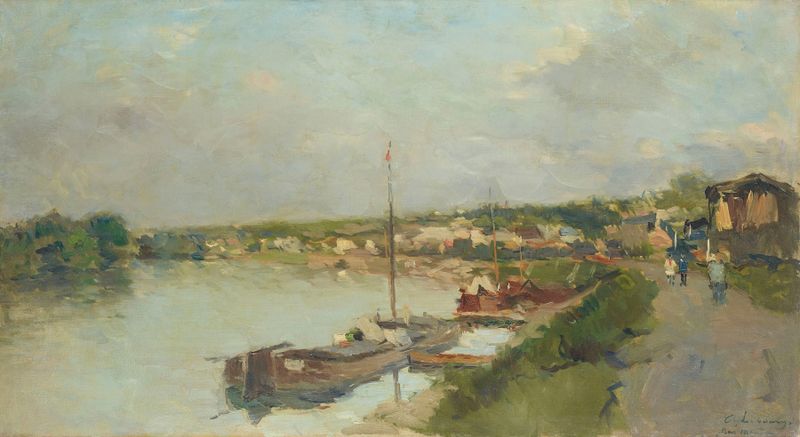
La Seine au Bas-Meudon
Albert Lebourg
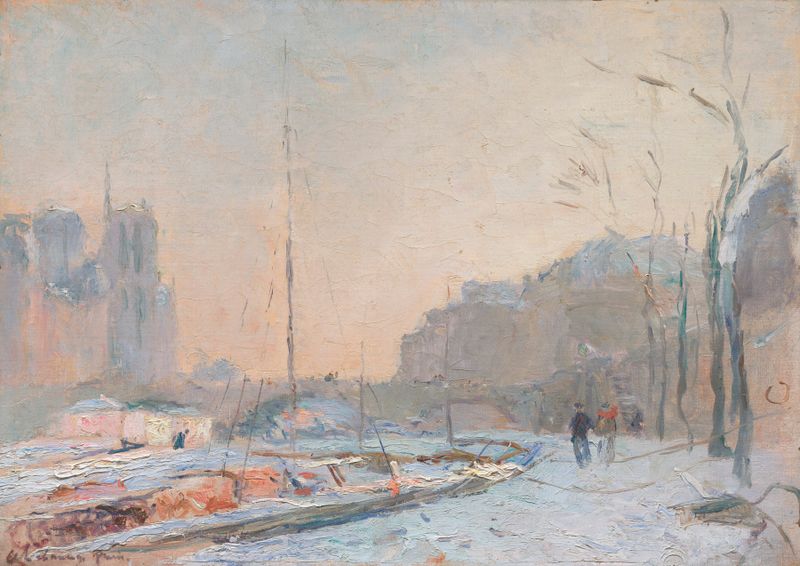
Notre Dame sous la neige
Albert Lebourg
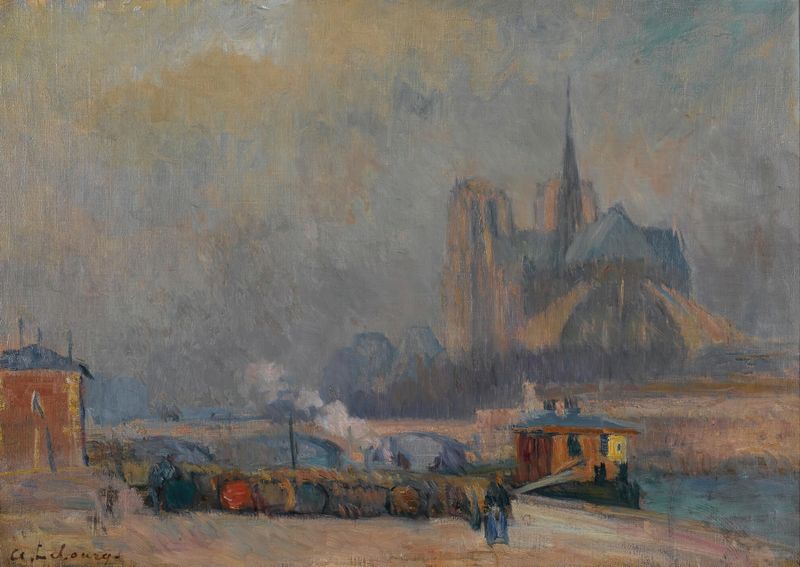
Notre-Dame De Paris Vue Du Quai De La Tournelle
Albert Lebourg
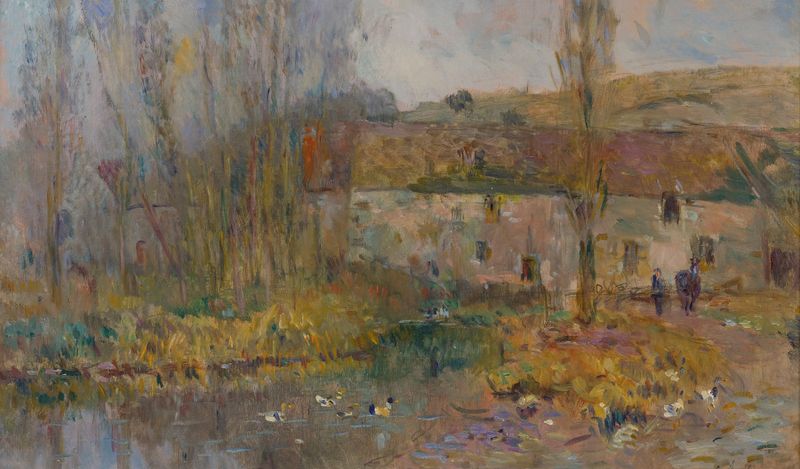
Moulin En Normandie
Albert Lebourg
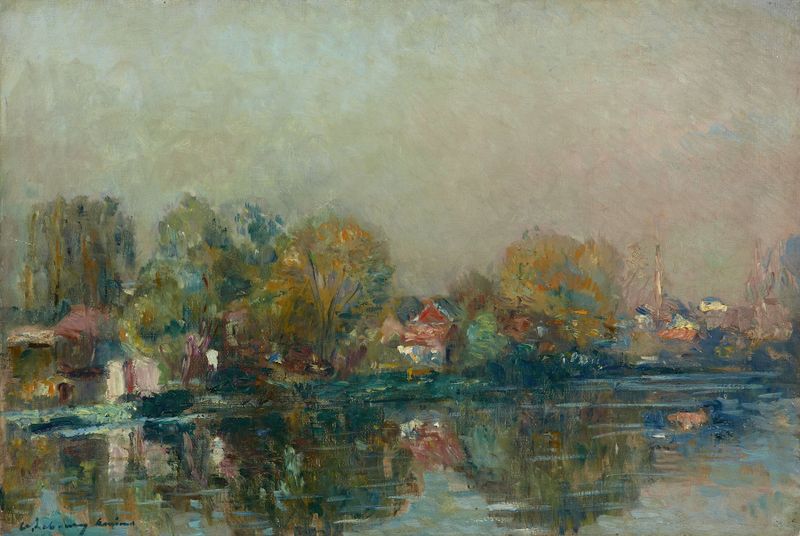
Amiens, bords de rivière
Albert Lebourg
More Architecture Art
Browse all →
The statue of Liberty
Frédéric Auguste Bartholdi

View of Houses in Delft, Known as ‘The Little Street’
Johannes Vermeer

View of Houses in Delft, Known as ‘The Little Street’
Johannes Vermeer

The Cathedral in Rouen. The portal, Grey Weather
Claude Monet

The yellow house
Vincent van Gogh

The Church in Auvers-sur-Oise, View from the Chevet
Vincent van Gogh