
Notre Dame sous la neige — History & Facts
Can beauty exist without sorrow? In Notre Dame sous la neige, the delicate interplay of light and shadow invites us into a world where the majestic cathedral stands serene yet somber, cloaked in winter's embrace. Look to the center of the canvas, where the towering spires of Notre Dame emerge through a soft veil of snowflakes. The gentle tones of gray and white create a tranquil atmosphere, while flecks of muted color peek through, suggesting the life that pulses beneath the snow. The artist's brushwork is loose yet deliberate, evoking a sense of movement in the falling snow, contrasting with the stillness of the architecture.
The light, diffused and ethereal, highlights the intricate details of the cathedral while casting long shadows that whisper of time's passage. Amidst this quiet landscape lies a tension between joy and melancholy. The snow, a symbol of purity, also cloaks the ancient stones in a shroud, reminding us of impermanence. The serene beauty of the scene contrasts with the heavy weight of history that the cathedral carries, a reminder that even in tranquil moments, there exists an undercurrent of struggle and loss.
The absence of human figures intensifies this sense of isolation, evoking a feeling of reflection as one contemplates the stories held within those storied walls. Created during a time when the Impressionist movement was redefining the boundaries of art in France, this piece reflects Lebourg's exploration of atmosphere and emotion. Painted in the early 20th century, it captures not only a visual reality but also the artist's deep appreciation for the transient beauty of nature and architecture. In a rapidly changing world, Lebourg’s work resonates with an awakening to the delicate balance between beauty and the bittersweet nature of life.
More Artworks by Albert Lebourg
Browse all →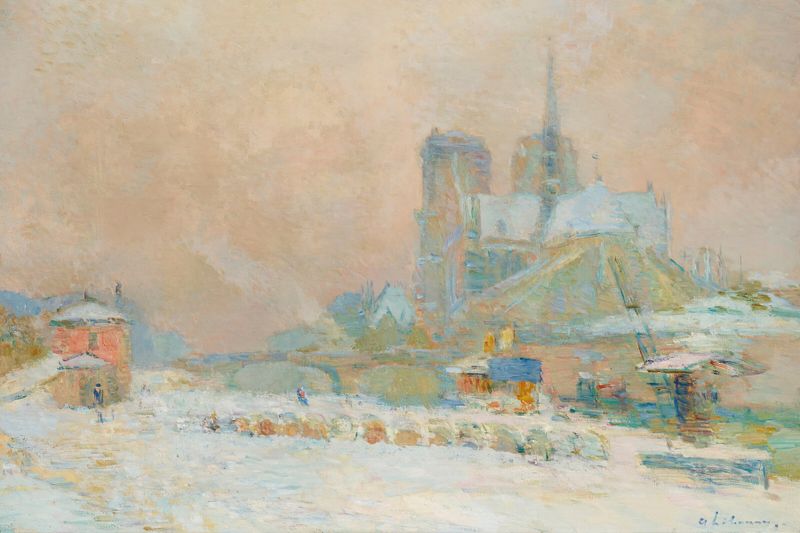
Notre Dame de Paris, vue du Quai de la Tournelle, effet de neige
Albert Lebourg
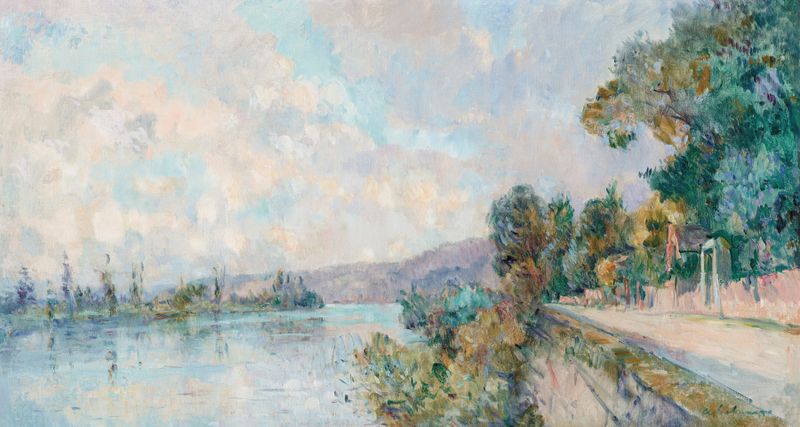
La Seine et les coteaux de Dieppedalle, vue prise de Croisset, près Rouen
Albert Lebourg
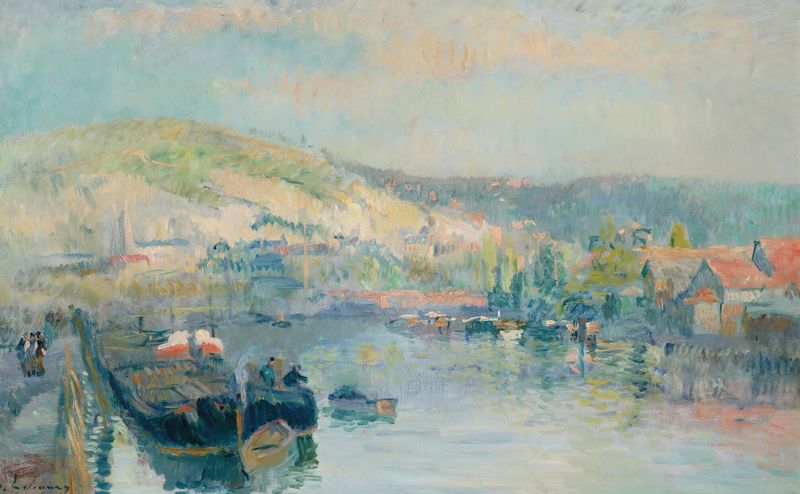
Péniche Et Bord De Seine Animé Près De Rouen
Albert Lebourg
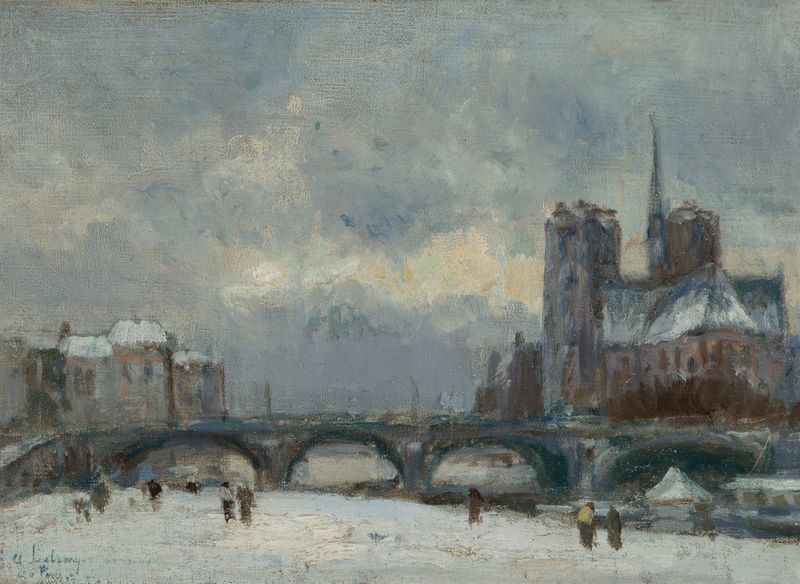
Paris, Notre-Dame, neige
Albert Lebourg
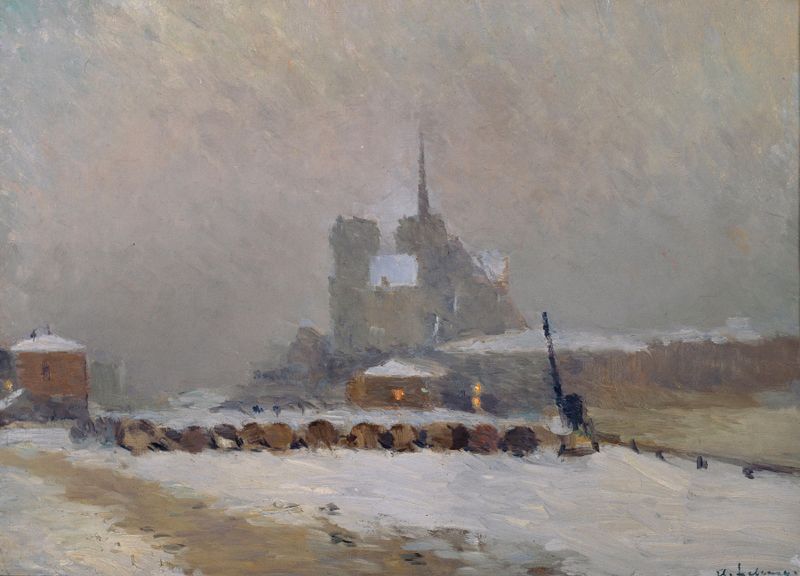
Notre-Dame de Paris. Effet de neige, le soir
Albert Lebourg
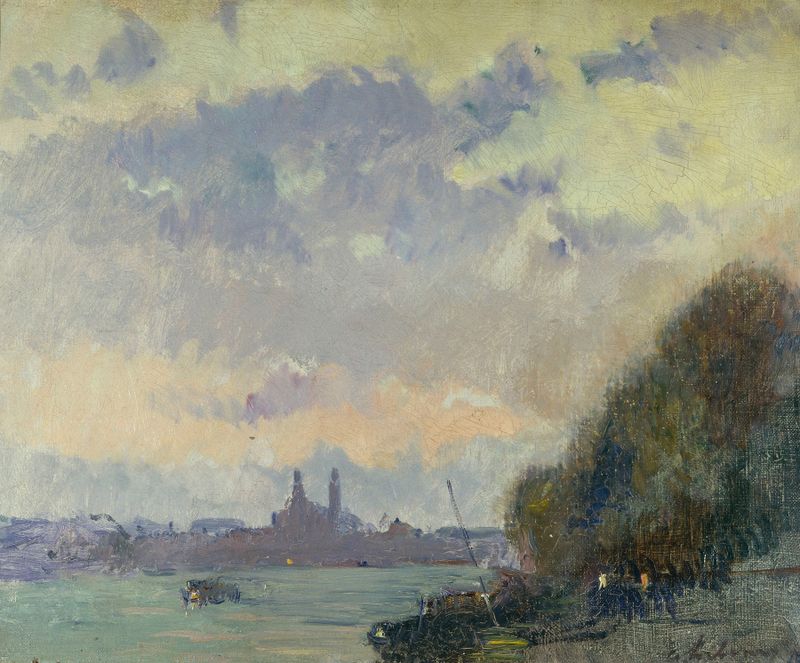
La Seine et l’ancien Trocadéro
Albert Lebourg
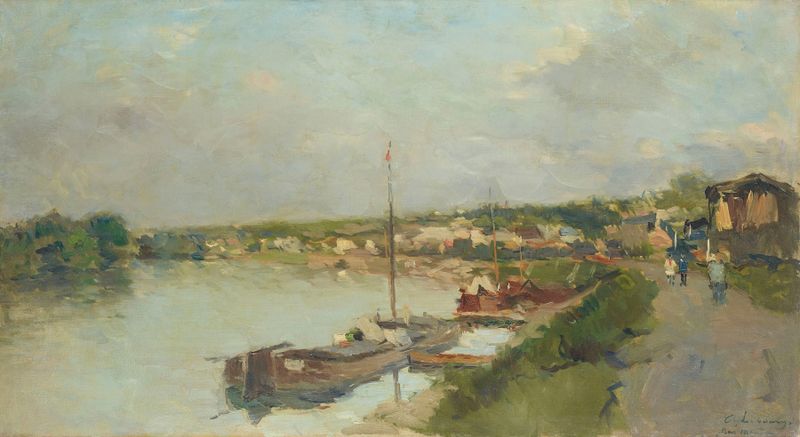
La Seine au Bas-Meudon
Albert Lebourg
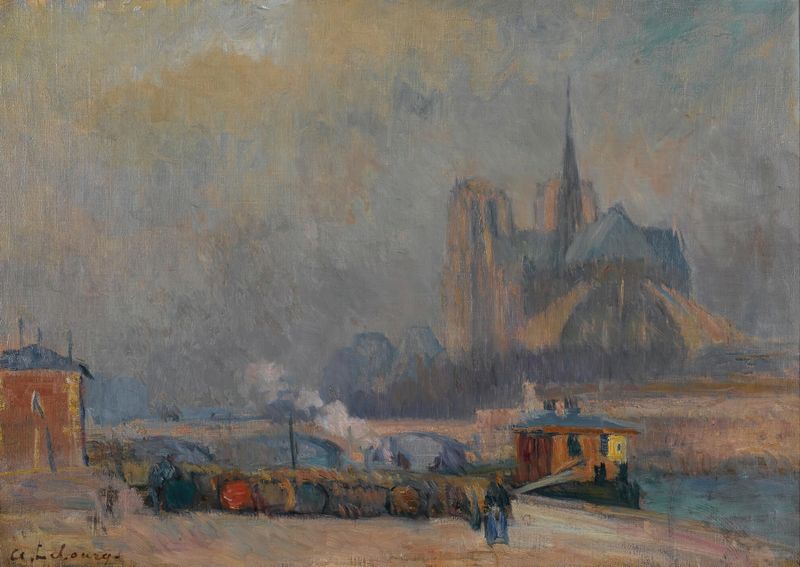
Notre-Dame De Paris Vue Du Quai De La Tournelle
Albert Lebourg
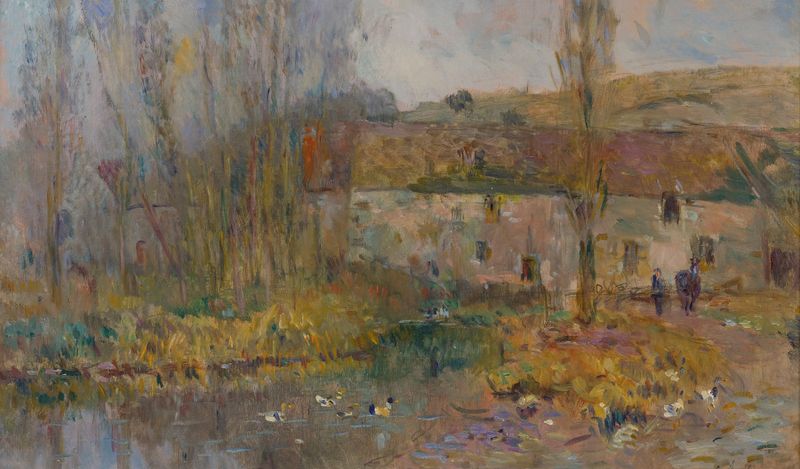
Moulin En Normandie
Albert Lebourg
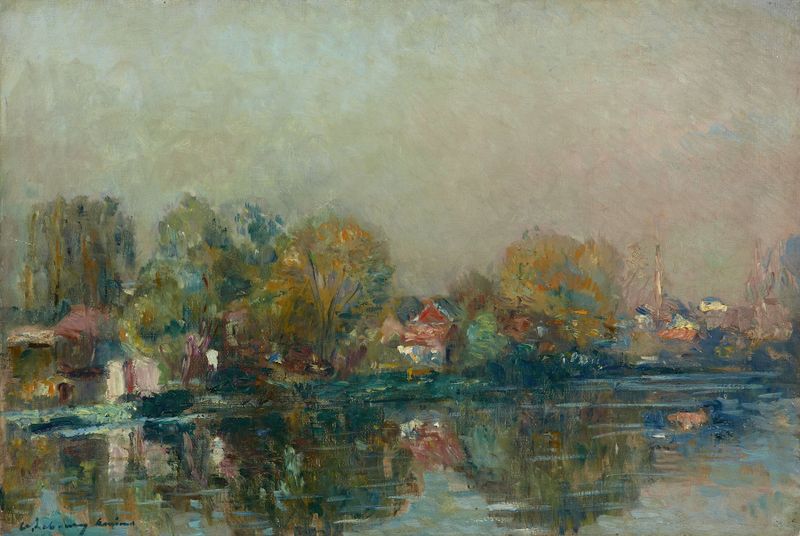
Amiens, bords de rivière
Albert Lebourg
More Architecture Art
Browse all →
The statue of Liberty
Frédéric Auguste Bartholdi

View of Houses in Delft, Known as ‘The Little Street’
Johannes Vermeer

View of Houses in Delft, Known as ‘The Little Street’
Johannes Vermeer

The Cathedral in Rouen. The portal, Grey Weather
Claude Monet

The yellow house
Vincent van Gogh

The Church in Auvers-sur-Oise, View from the Chevet
Vincent van Gogh