November Light — History & Facts
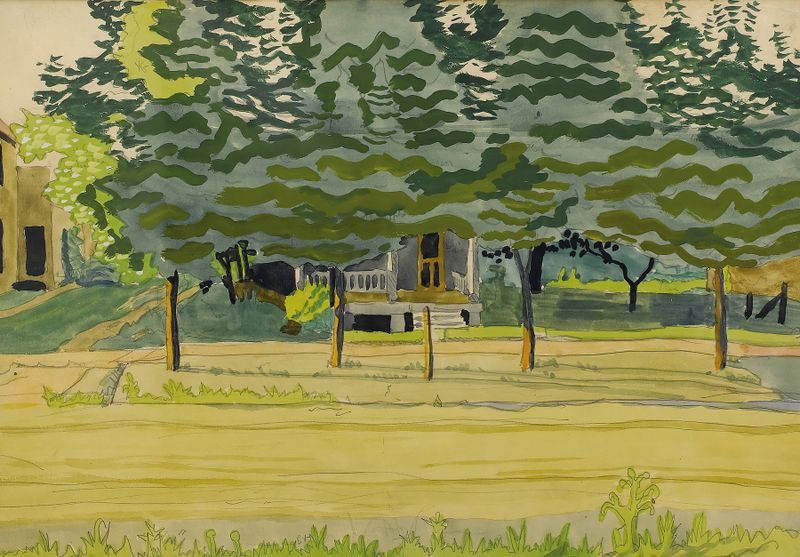
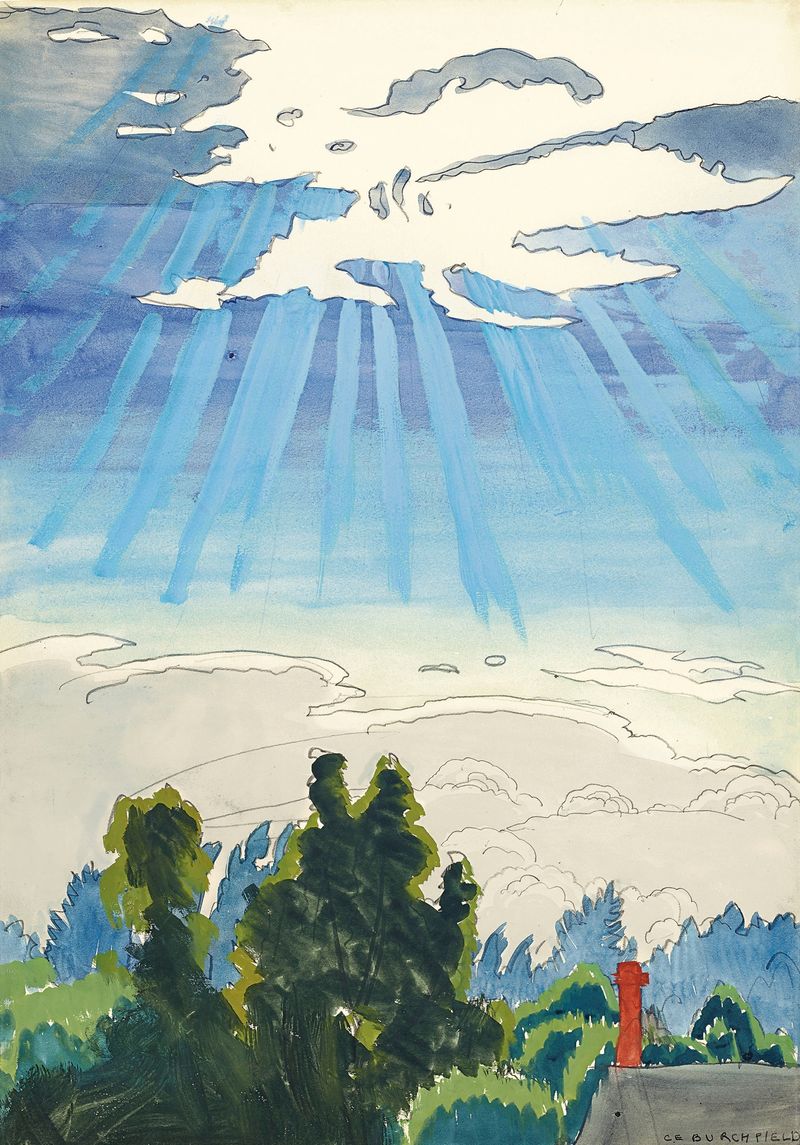
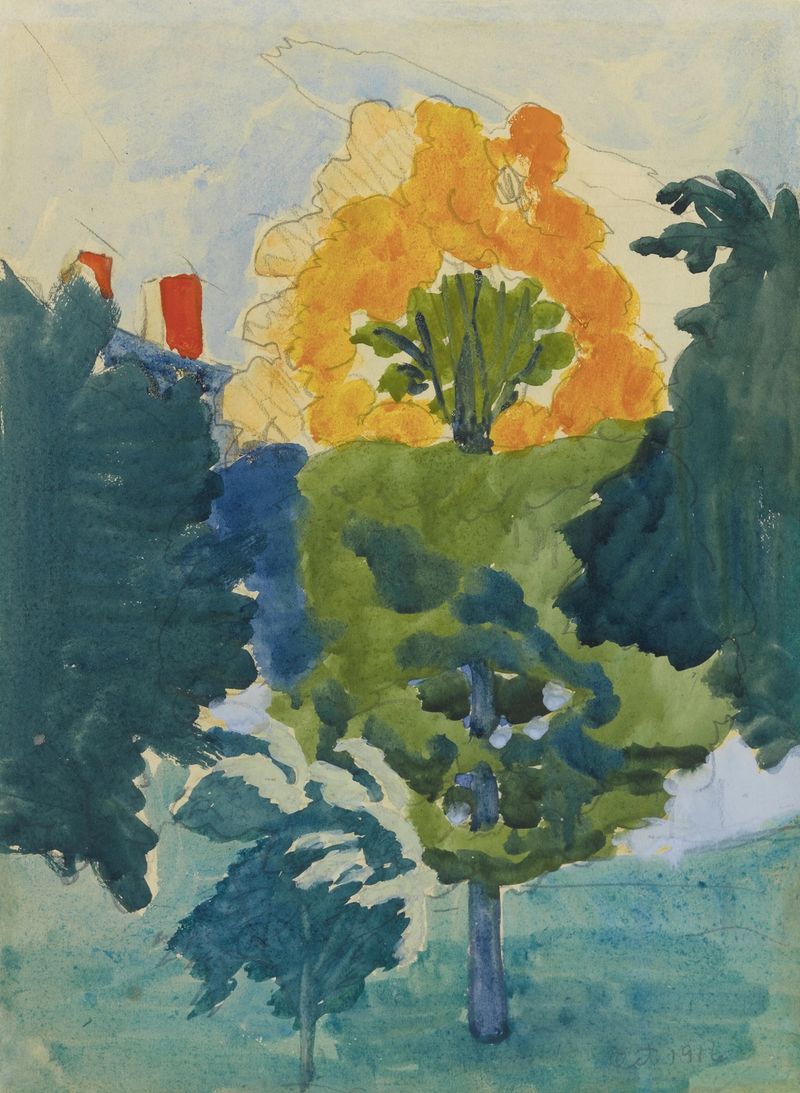
In the rich tapestry of life, moments of transformation often hold the heaviest weight, echoing with both sorrow and splendor. Look to the center of the canvas, where a soft, luminous glow emerges. The interplay of muted greens and warm ochres creates a sense of depth, as if the light itself has the power to alter perception. Notice how the trees, their branches swaying gently, seem almost alive, bending to the will of the wind.
The intricate brushwork captures the fleeting quality of autumn, inviting the viewer to explore every detail, from the delicate leaves’ stark contrast against the golden light to the undulating shadows that dance across the ground. The painting juxtaposes stillness and movement, evoking a sense of quiet contemplation amidst nature's fierce vitality. The tranquility of the landscape speaks to moments of introspection, while the dynamic sky hints at the inevitability of change. Here, transformation is not merely a passage of time; it is a poignant reminder of the beauty that arises from one season giving way to another, suggesting that every ending bears the seeds of new beginnings. In 1921, Burchfield was living in a small town in Ohio, grappling with both personal and artistic challenges.
This period marked a time of introspection for him, as he sought to articulate his connection to the natural world through his unique lens. The painting reflects not only his evolving style but also the broader modernist movement, as artists began to explore abstraction and emotional expression, paving the way for future generations.