
Nun Mill, Northamptonshire — History & Facts
In the stillness of Nun Mill, fear lurks beneath the surface of serene beauty, whispering of past sorrows and secrets untold. Focus your gaze on the tranquil waterway at the center, where gentle ripples reflect the soft hues of twilight. The mill, standing resolute against the horizon, is framed by lush greenery that invites contemplation. Notice how the light dances on the water, creating a dichotomy between the vitality of nature and the stillness of the structure, evoking both peace and an unsettling tension. The juxtaposition of the idyllic setting and the imposing mill conjures contrasting emotions.
The tranquil scene belies a history marked by labor and perhaps hardship, hinting at the fears of those who toiled here. The painter's meticulous attention to detail in the water's texture and the mill's weathered stones suggests an acknowledgment of the past, where silence may conceal deeper narratives of struggle, survival, and whispered regrets. In 1762, Capt. Francis Grose painted Nun Mill during a time when English landscape painting was gaining prominence, reflecting the cultural appreciation for rural beauty.
At this juncture in his life, Grose was transitioning from military service to a career in art and antiquarian studies, a shift that allowed him to explore the beauty of England's countryside. His work encapsulated both the charm and the hidden stories of the landscapes he depicted, offering viewers a glimpse into a world where silence speaks volumes.
More Artworks by Capt. Francis Grose
Browse all →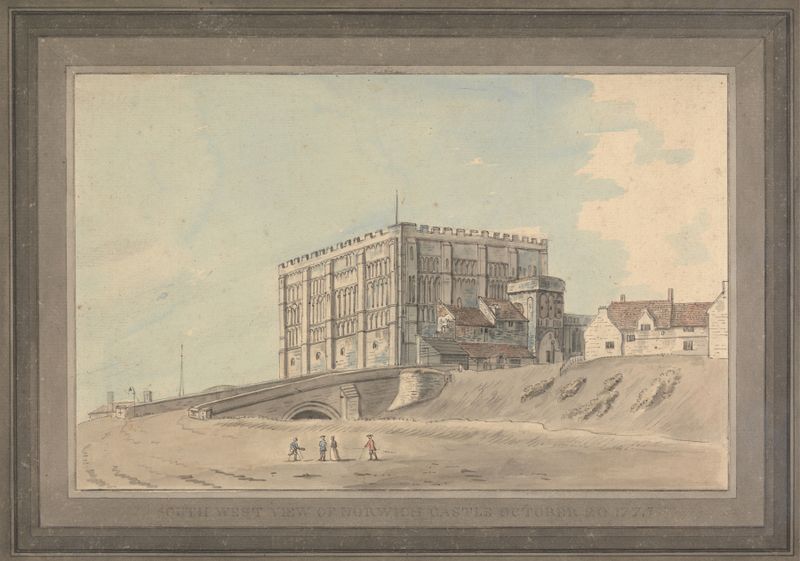
South West View of Norwich Castle
Capt. Francis Grose
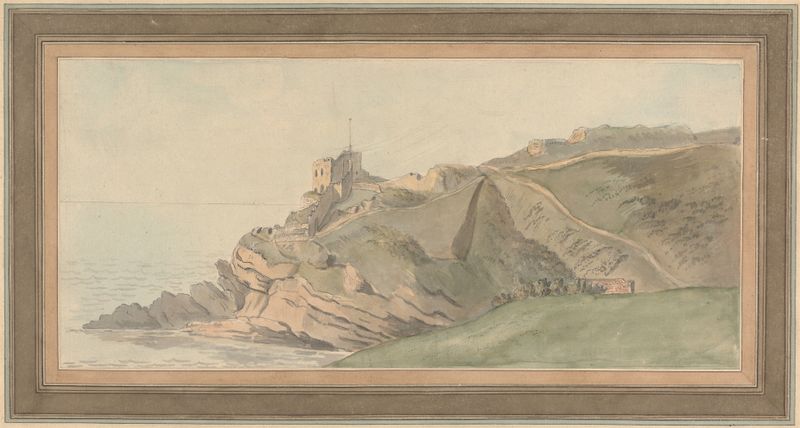
St. Catherine’s Castle at Fowey, Cornwall
Capt. Francis Grose

Canterbury Cathedral, Kent
Capt. Francis Grose
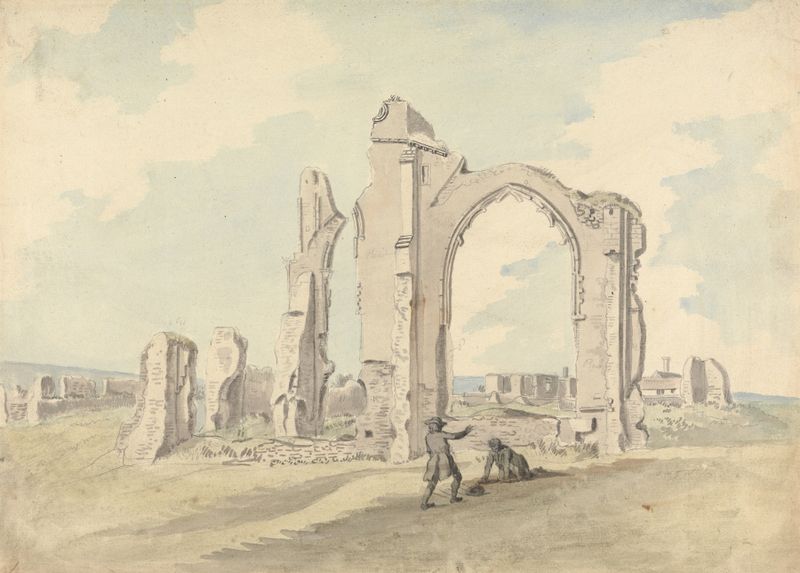
St. Mary’s Priory, Thetford
Capt. Francis Grose

Languard Fort on the River Orwell
Capt. Francis Grose

Mitford Castle, Northumberland
Capt. Francis Grose
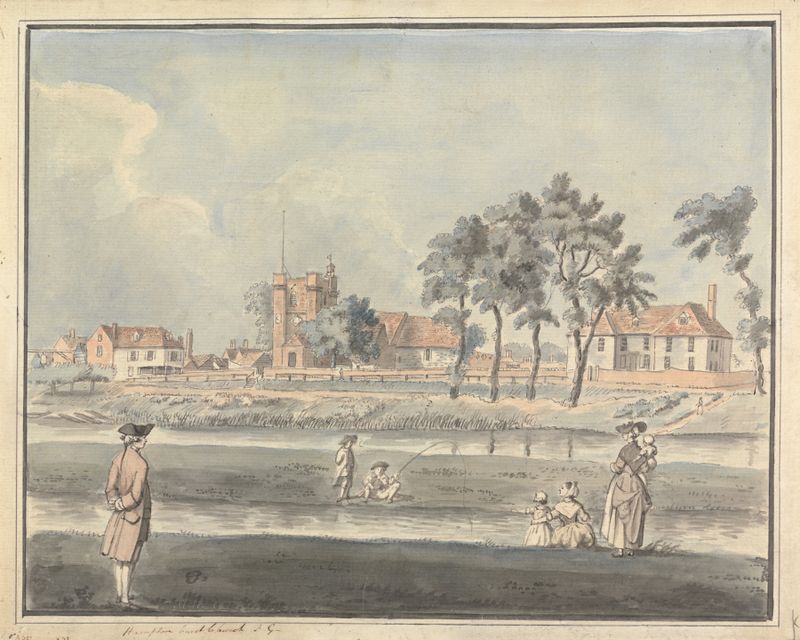
Hampton Court Church
Capt. Francis Grose

Chapel of St. Michael’s Mount
Capt. Francis Grose
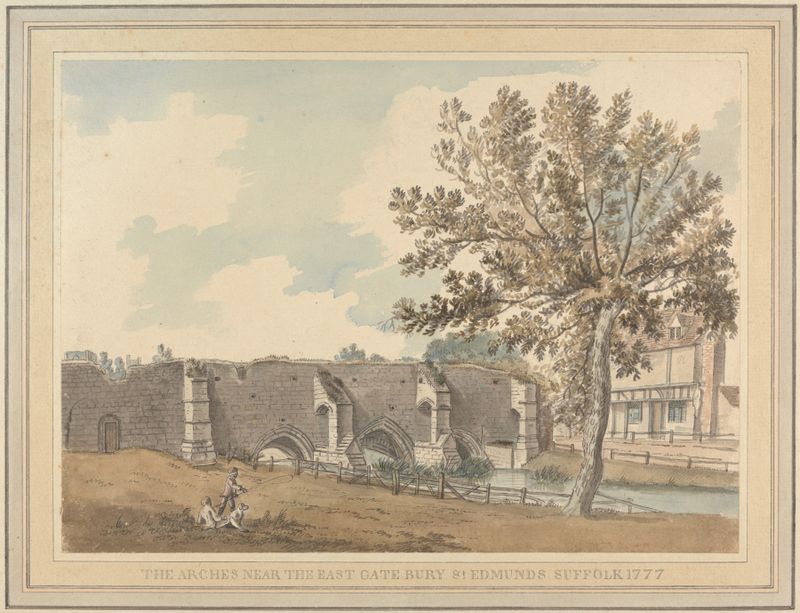
The Arches Near the East Gate, Bury St. Edmunds Suffolk
Capt. Francis Grose

Norham Castle, Northumberland
Capt. Francis Grose





