
Oare Village — History & Facts
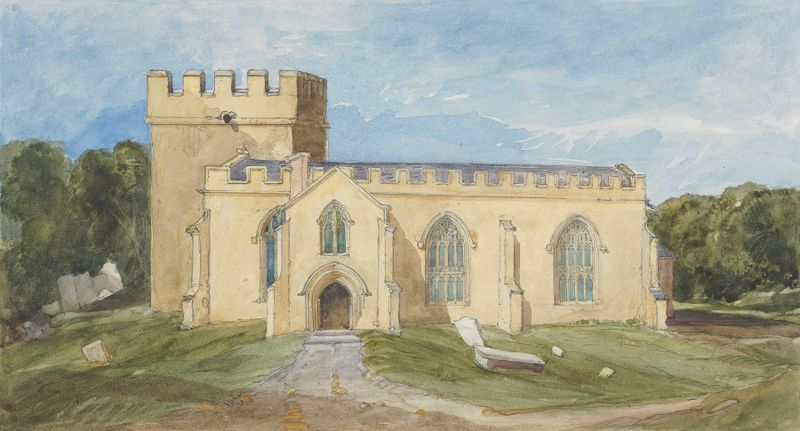
In the tranquil expanse of Oare Village, an understated obsession unfolds, revealing layers of human experience beneath its serene surface. Look to the foreground where the quaint cottages rise gently from the earth, their weathered façades echoing the passage of time. Notice how the muted colors—earthy browns and soft greens—intertwine, creating a harmonious balance that invites the viewer in. The delicate brushwork captures the wavering light filtering through the clouds, casting fleeting shadows that dance upon the winding path, suggesting both solitude and the quiet pulse of daily life. Yet, beyond the picturesque scenery lies a tension that speaks to deeper themes.
The stillness of the village hints at isolation, while the empty streets suggest untold stories and forgotten dreams. The juxtaposition of the vibrant natural surroundings against the human absence prompts reflection on the nature of obsession—perhaps for solitude, nature, or a past that lingers in every corner of this landscape. In 1837, Rev. James Bulwer painted this work during a period of personal exploration, having recently relocated to the picturesque Kent countryside.
At this time, the art world was shifting, moving towards the romantic appreciation of nature and rural life, a contrast to the industrialization rapidly transforming urban areas. Capturing the essence of rural tranquility, Bulwer's work speaks not only to his surroundings but also to the introspective journey that defined his artistic vision.
More Artworks by Rev. James Bulwer
Browse all →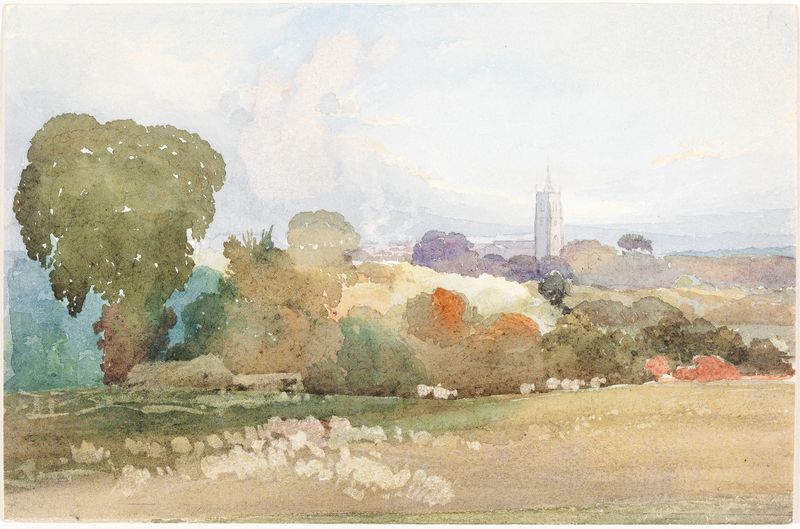
Landscape with Church Steeple
Rev. James Bulwer
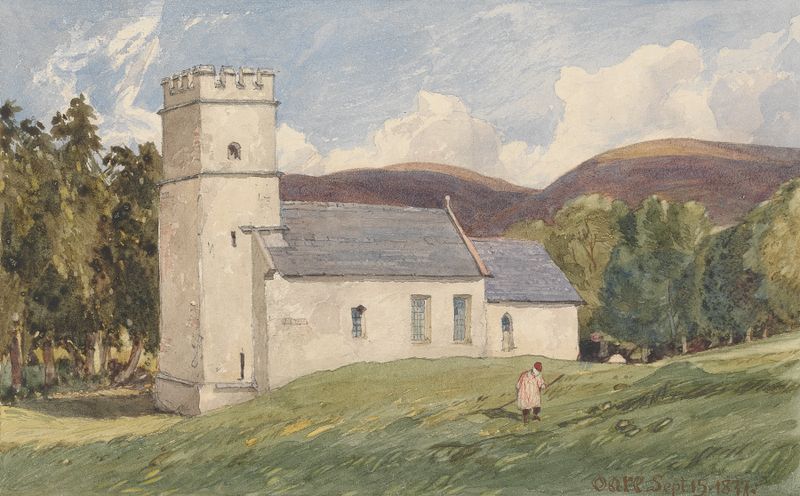
Oare Church
Rev. James Bulwer
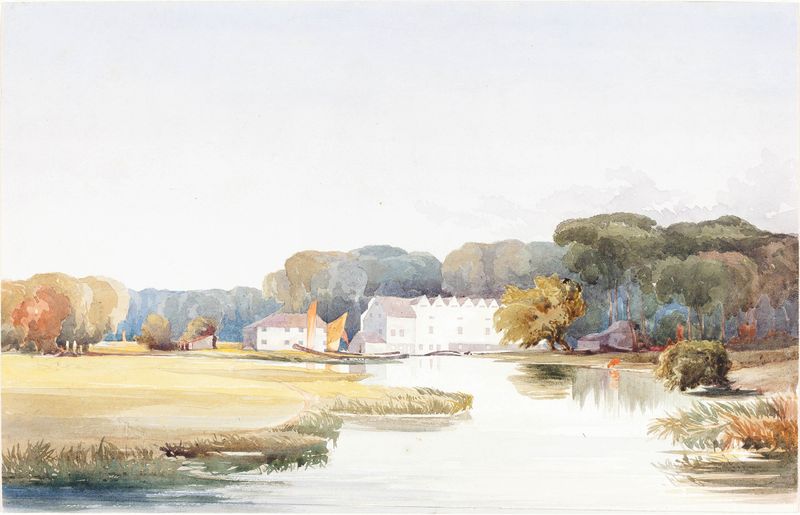
Horstead Mill on the River Bure, Norfolk
Rev. James Bulwer
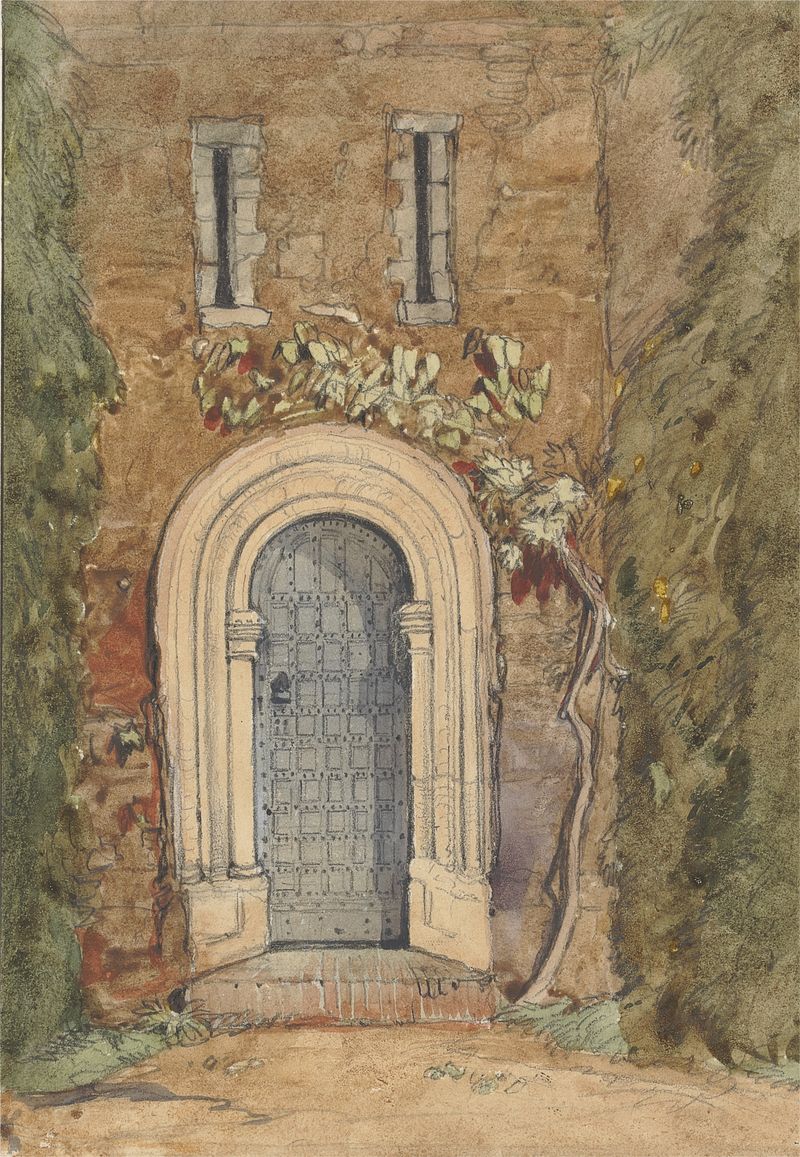
[One from] A Volume of Drawings and Prints
Rev. James Bulwer
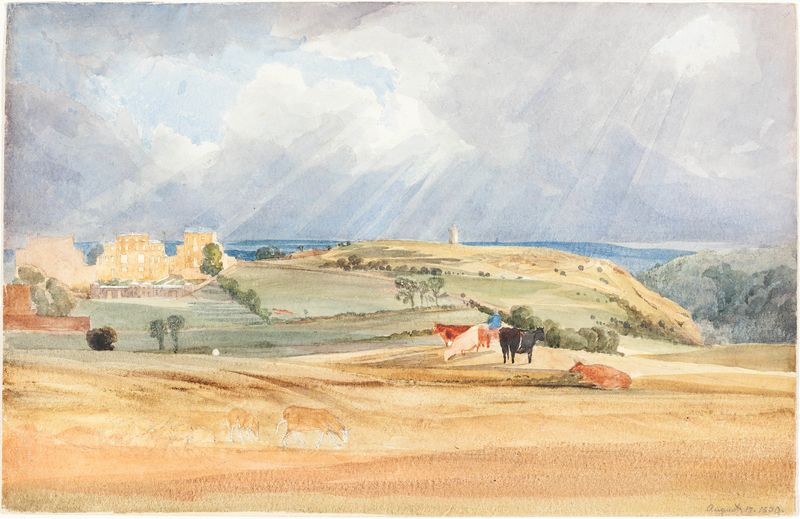
Landscape with Cattle
Rev. James Bulwer
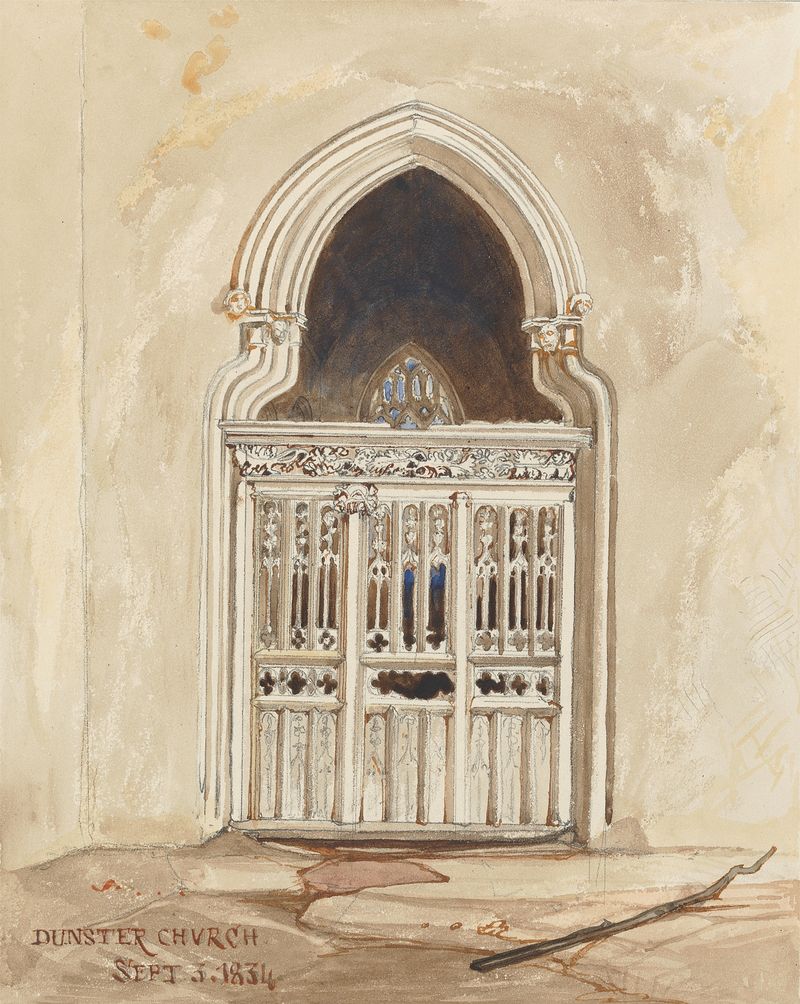
[One from] A Volume of Drawings and Prints
Rev. James Bulwer
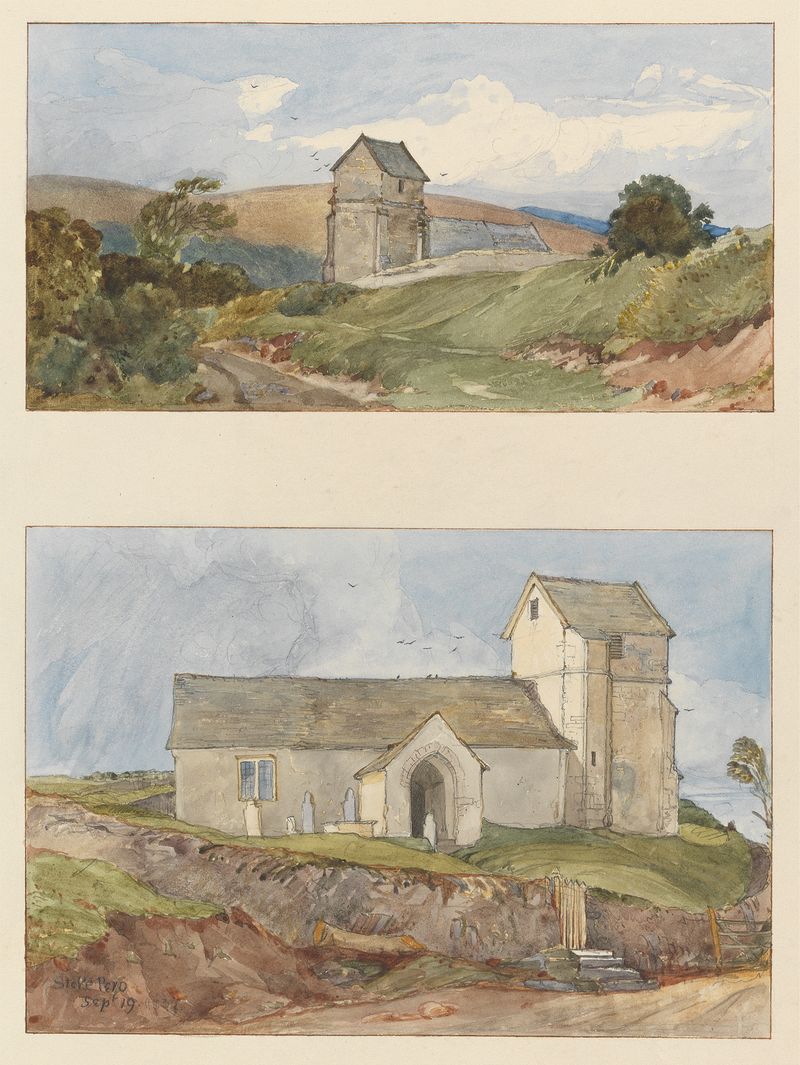
[One from] A Volume of Drawings and Prints
Rev. James Bulwer
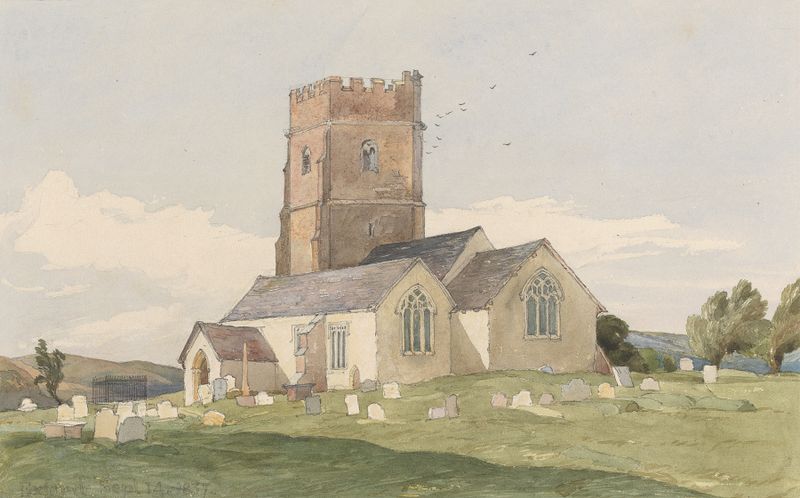
[One from] A Volume of Drawings and Prints
Rev. James Bulwer
[One from] A Volume of Drawings and Prints
Rev. James Bulwer
[One from] A Volume of Drawings and Prints
Rev. James Bulwer





