
Oare Church — History & Facts
What secret hides in the quiet of the canvas? The stillness of Oare Church invites the viewer to explore the depths of reflection and faith, revealing layers of meaning beneath its serene surface. Look to the left, where the delicate lines of the church's steeple rise against a fading sky, contrasting with the soft, muted greens of the surrounding landscape. The artist employs a gentle palette, where earthy tones blend harmoniously, subtly guiding your gaze toward the central figure of the church. Notice how the light falls upon the weathered stones, illuminating textures that evoke centuries of worship, while shadows whisper of untold stories lurking in the walls.
Each brushstroke seems to echo the prayers once uttered within. This painting captures a moment suspended in time, inviting contemplation on the passage of faith through generations. The dichotomy of light and shadow suggests a conversation between hope and doubt, while the church stands resilient, a guardian of both history and the present. The solitary figure near the entrance hints at the personal journey of finding solace within the sacred space, raising questions about solitude amidst community. Rev.
James Bulwer created Oare Church in 1837, during a period when the art world was increasingly embracing the romantic notions of nature and spirituality. Working in England, he combined his dual passions for painting and theology, using art as a medium to communicate deeper existential truths. This was a time when artists were exploring the emotional resonance of landscape and architecture, seeking to capture the essence of place and spirit in their works.
More Artworks by Rev. James Bulwer
Browse all →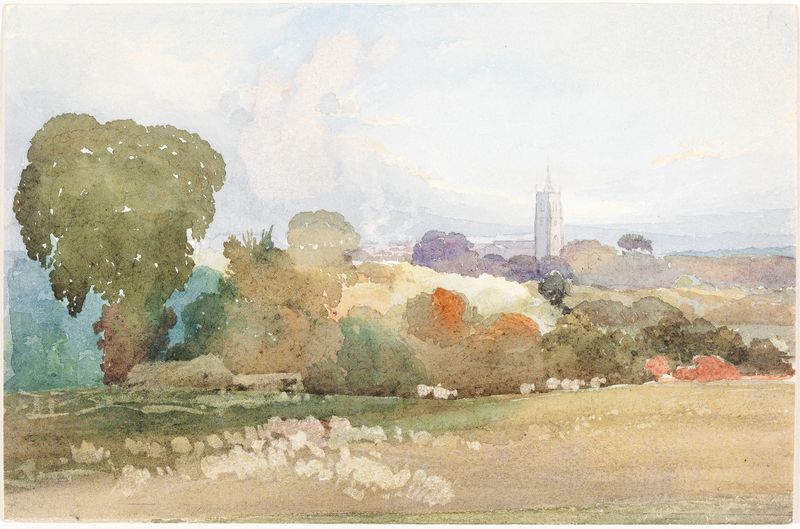
Landscape with Church Steeple
Rev. James Bulwer
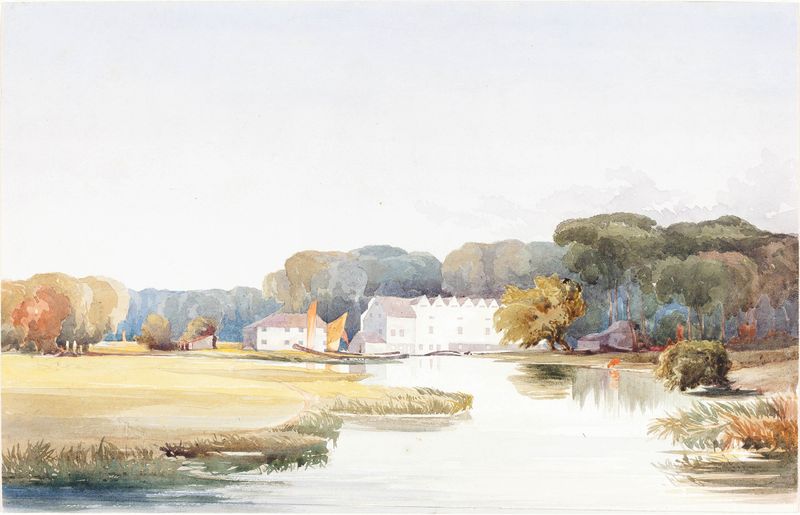
Horstead Mill on the River Bure, Norfolk
Rev. James Bulwer
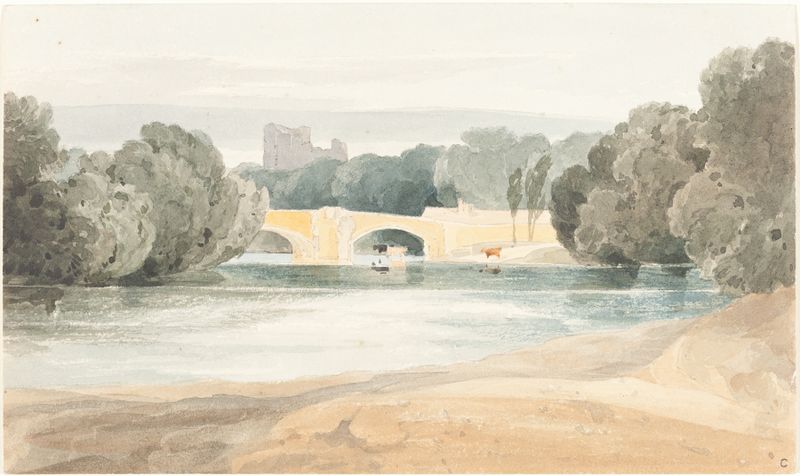
Bridge at Knaresborough
Rev. James Bulwer
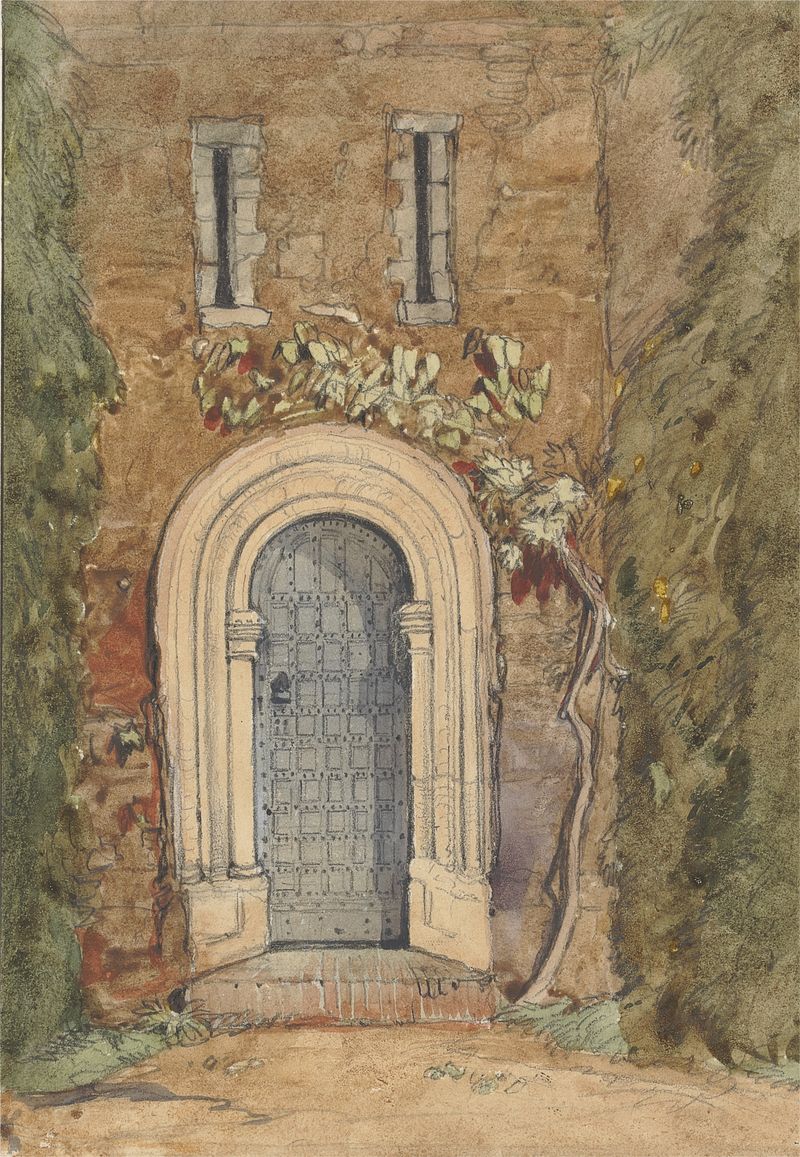
[One from] A Volume of Drawings and Prints
Rev. James Bulwer
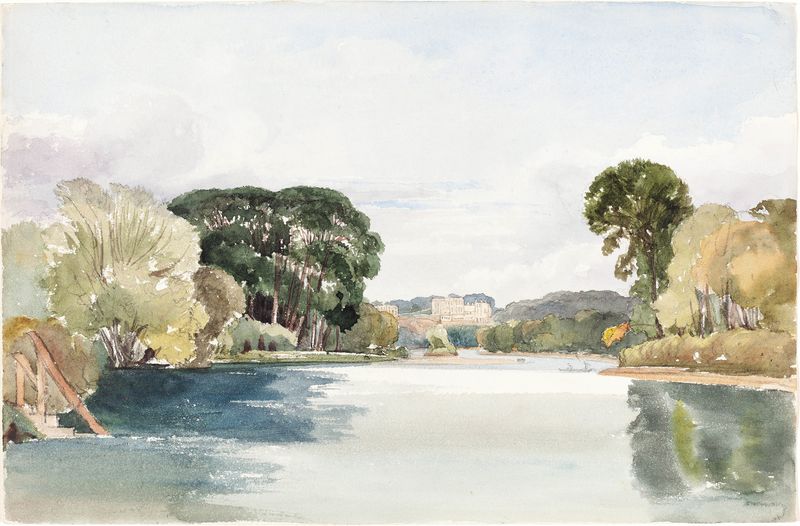
River Scene with Distant Castle
Rev. James Bulwer
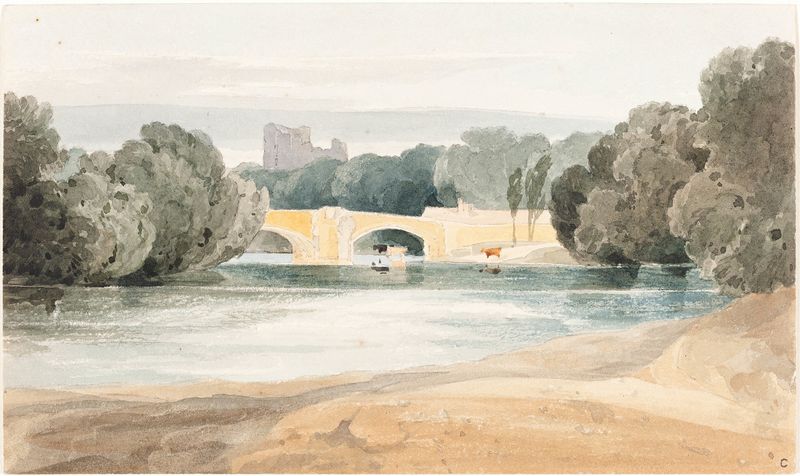
after John Sell Cotman, Bridge at Knaresborough
Rev. James Bulwer
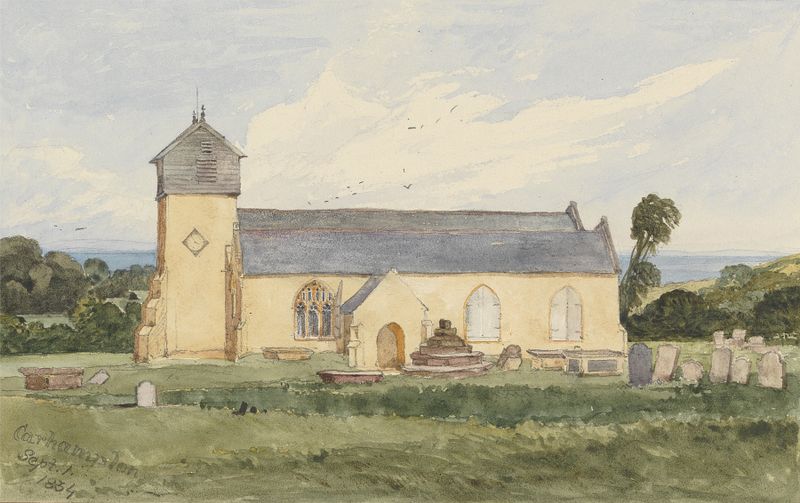
[One from] A Volume of Drawings and Prints
Rev. James Bulwer
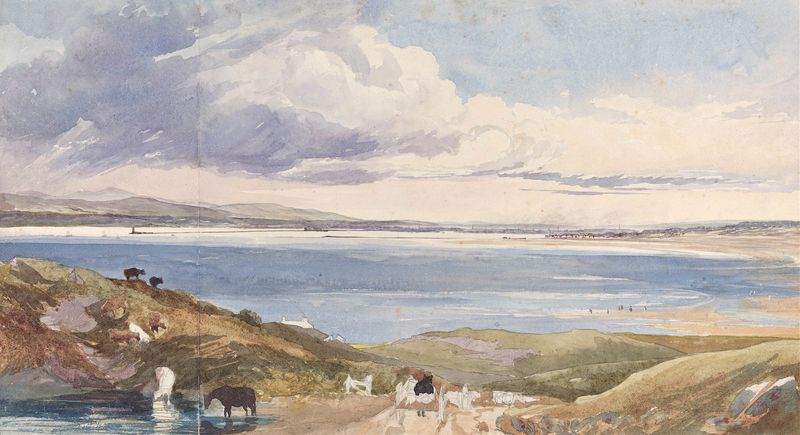
Landscape by the Shore with Road in Foreground
Rev. James Bulwer
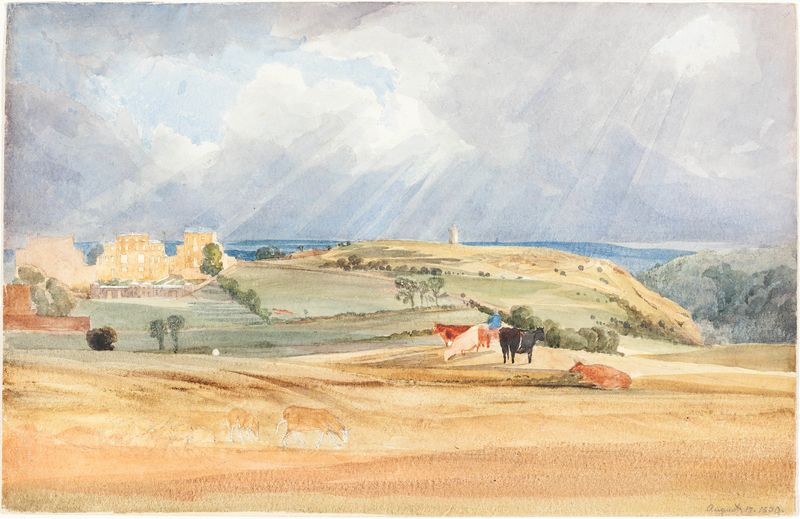
Landscape with Cattle
Rev. James Bulwer
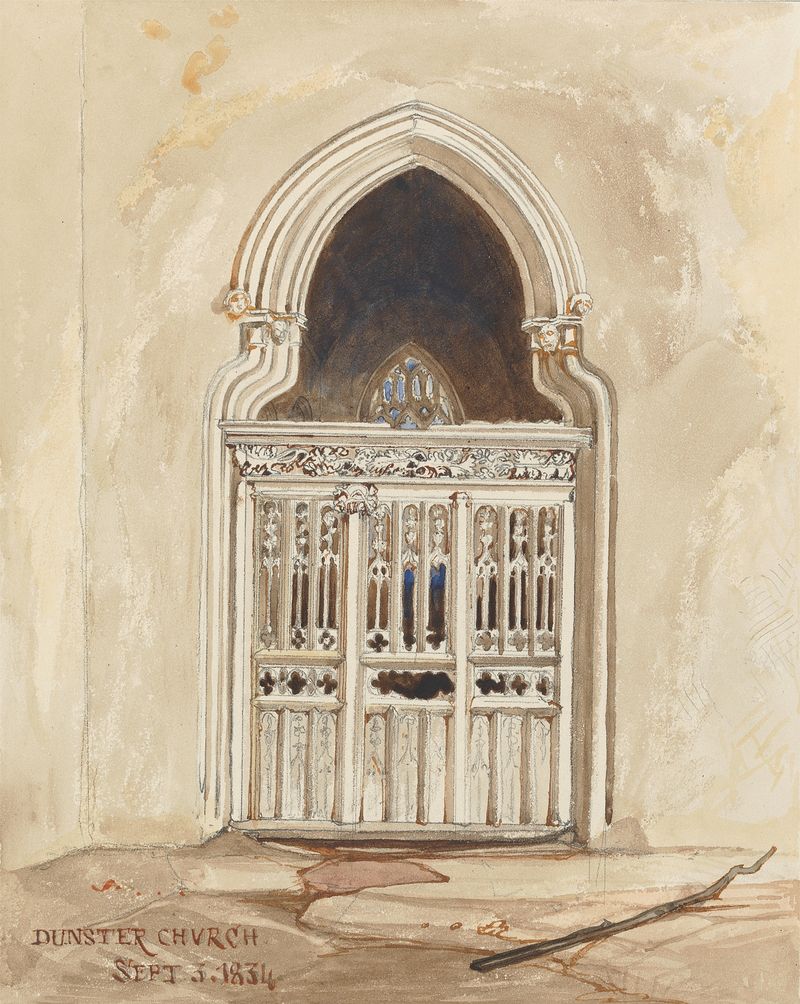
[One from] A Volume of Drawings and Prints
Rev. James Bulwer
More Architecture Art
Browse all →
The statue of Liberty
Frédéric Auguste Bartholdi

View of Houses in Delft, Known as ‘The Little Street’
Johannes Vermeer

View of Houses in Delft, Known as ‘The Little Street’
Johannes Vermeer

The Cathedral in Rouen. The portal, Grey Weather
Claude Monet

The yellow house
Vincent van Gogh

The Church in Auvers-sur-Oise, View from the Chevet
Vincent van Gogh