Oever van de IJssel bij Hattem — History & Facts
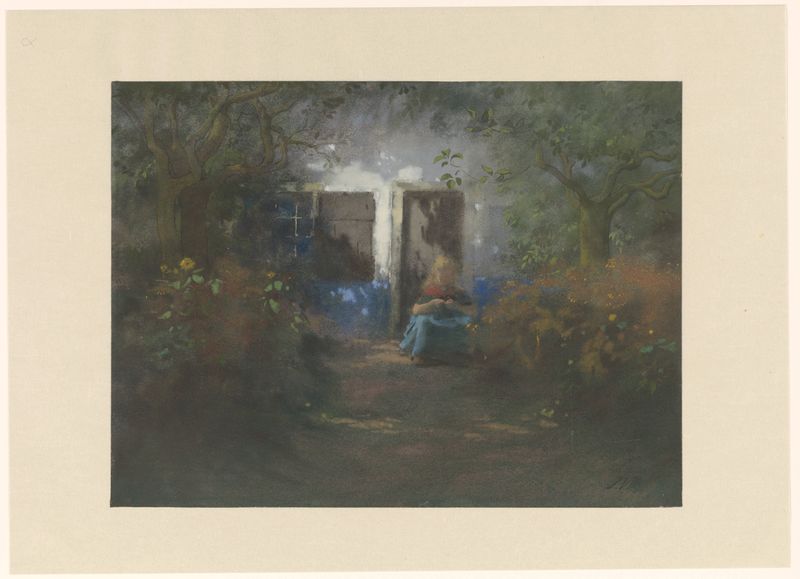
In the realm of art, it often whispers through the hues and strokes, revealing the chaos beneath serenity. This duality resonates profoundly in the work of a master whose landscapes dance between the tranquil and the tumultuous. Focus first on the shimmering water, where the river mirrors a sweeping sky, painted in soft blues and gentle whites. Look closely to see how the brushstrokes ripple across the surface, evoking both movement and stillness.
The meticulously rendered trees stand like sentinels along the banks, their muted greens contrasting with the ethereal light that bathes the scene. The subtle interplay of light and shadow draws the viewer deeper, inviting contemplation of what lies just beyond the frame. Delve further into the emotional undercurrents that pulse beneath the surface. The river, both a lifeline and a boundary, symbolizes the tension between freedom and confinement, while the skies above hint at an impending storm, perhaps an allusion to inner turmoil.
Each element, from the gentle curves of the landscape to the sharp angles of the branches, captures a sense of madness lurking beneath the beauty—the chaos of nature intertwined with the human psyche. Jan Voerman created this evocative piece during a period of great personal and artistic development between 1867 and 1919. Living in the Netherlands, he navigated shifts in the artistic landscape, marked by the rise of Impressionism. His connection to the natural world became a canvas for expressing the complexities of human emotion, mirroring the delicate balance of serenity and turmoil that defined his life and work.