Oper in Wien — History & Facts
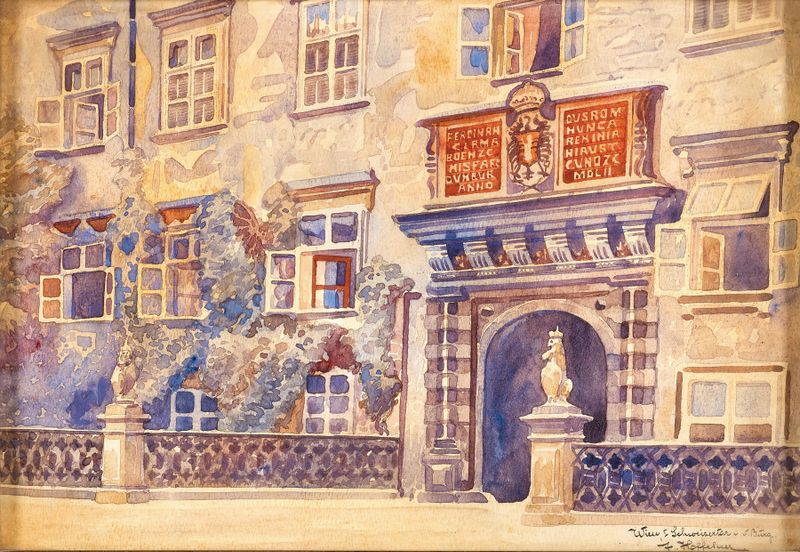
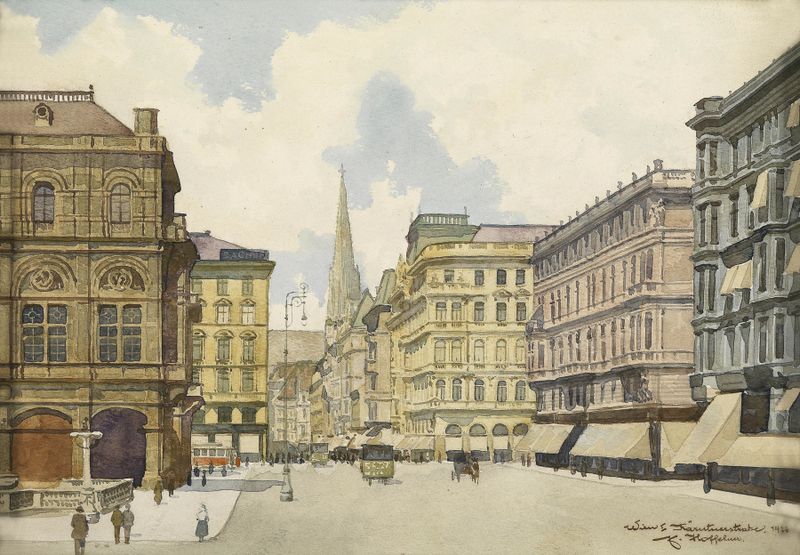
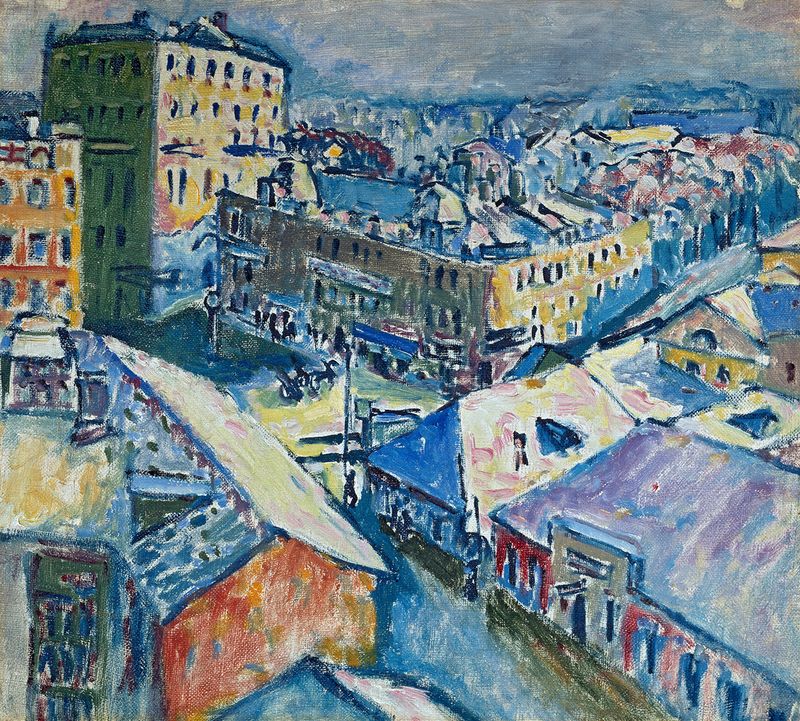
When did color learn to lie? In the interplay of hues and shadows, we often find that innocence wears many masks, each tint whispering a different truth. Look to the vibrant splashes of color intermingling across the canvas, where reds and blues meld into one another, creating an energetic pulse that seems alive. Notice how the bold strokes draw the eye towards the center, where contrasting shades reveal layers of depth and complexity. The artist’s use of light dances across the forms, shifting between clarity and ambiguity, inviting viewers to contemplate the juxtaposition of what is seen and what is felt. Beneath the surface vibrancy lies a tension between reality and illusion.
The enigmatic expressions of the figures, obscured by a kaleidoscope of color, suggest a narrative that oscillates between joy and melancholy. Each hue seems to hold a story, underscoring the innocence that may or may not be true. As we absorb the intricate details—like the gentle curves of a face or the subtle play of light on fabric—we are challenged to question the authenticity of emotion in this chromatic world. Franz Hoffelner created this work during a period marked by postwar exploration of both personal and societal identity in art.
The exact date remains unknown, yet it reflects an era when artists were redefining their approaches, seeking to capture the fractured essence of life through innovative techniques. Hoffelner’s experimentation with color and form resonates with the broader artistic movements of his time, which grappled with the complexities of expression amid uncertainty.