Orizaba, Mexico — History & Facts
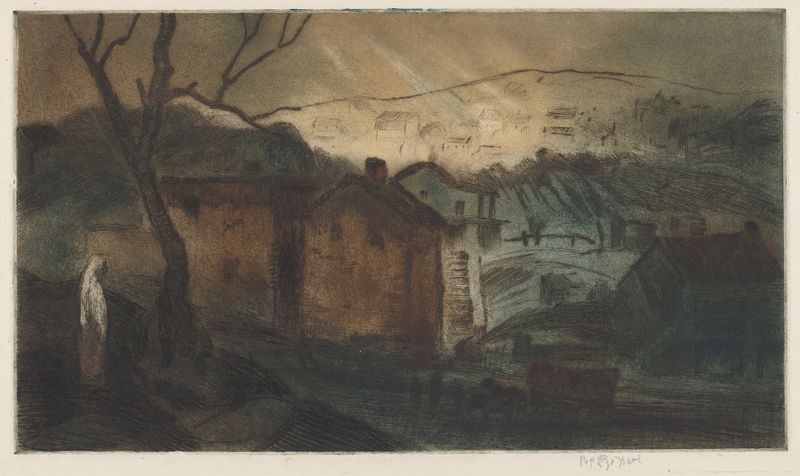
Can beauty exist without sorrow? The interplay of life and decay answers this question with a haunting resonance that echoes through time and place. In a landscape framed by the shadow of a once-majestic mountain, the essence of transformation cradles a sense of melancholic beauty. Look to the foreground, where weathered stones and muted vegetation tell the story of an environment caught between life and oblivion. The subtle palette — earthy browns and soft grays — draws the eye toward the delicate textures of the landscape, inviting contemplation.
Notice how the artist’s brush captures the interplay of light and shadow, creating a depth that almost breathes; the fading sunlight bathes the scene in a warm yet somber glow, suggesting the quiet passage of time. Within this stillness lies a contrast between the vibrant energy of nature and the undeniable signs of decay. The crumbling rock formations stand as stoic reminders of mortality, while the gentle curves of the earth symbolize resilience amidst desolation. Each element, from the scattered flora to the distant peaks, reflects the tension between existence and erasure, urging the viewer to find beauty in impermanence. This work emerged during a transformative period for its creator, who explored the themes of nature and decay while residing in the United States in the early 20th century.
As a painter, George Overbury Hart sought to capture the essence of the landscapes he encountered, navigating the art world’s shift toward modernism while confronting his own struggles with identity and expression. The significance of this piece lies not only in its aesthetic but also in its emotional depth, encapsulating a moment in the artist’s journey.