Jersey Hills — History & Facts
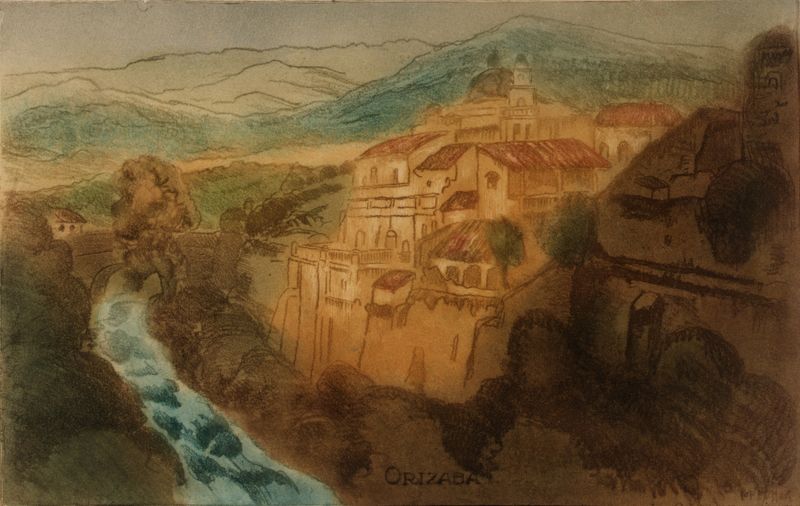
Can paint confess what words never could? In Jersey Hills, the essence of time stands still, captured in an eternal embrace between earth and sky. Focus first on the sweeping horizon, where lush greens and browns meld into soft blues, suggesting a serene landscape alive with the whispers of nature. Notice how the brushstrokes convey movement, each sweep of color pulsing with the heartbeat of the hills. The subtle play of light and shadow dances across the canvas, inviting the viewer to traverse the undulating terrain, while the atmospheric depth draws your gaze into the distance, evoking a sense of longing. Here, contrasts breathe life into the composition.
The vibrant hues against the muted tones signal the passage of seasons, hinting at cycles of growth and decay. Small details—perhaps a solitary tree or a winding path—can symbolize the journey of life, while the gentle gradient from foreground to background mirrors the layers of time itself. Each element, though seemingly tranquil, carries an undercurrent of tension, a reminder of the transient nature of existence. In 1923, the artist was navigating personal transformations while living in a rapidly changing world marked by modernity's encroachment on nature.
Hart's work during this period reflected a commitment to capturing the beauty of the American landscape, as he sought to preserve its essence amid the transformations of the early 20th century. This connection to place and time found in Jersey Hills illustrates his dedication to both the art of painting and a deep empathy for the landscapes that shaped his identity.