
Pad door het bos — History & Facts
In the quiet embrace of nature, each stroke of paint unveils a dance of fate woven through the trees and underbrush. Look to the center of the canvas, where a winding path appears to beckon the viewer forward, inviting exploration. The delicate interplay of greens and browns reveals a vibrant forest, dappled with light filtering through the leaves above. Notice how the soft hues of the foliage transition into shadows, creating a sense of depth and movement, as if the trees themselves breathe with life.
The careful brushwork captures the tranquility of the surroundings, yet there's a subtle tension in the air, hinting at the mysteries that lie just beyond the path. Hidden within the scene are the whispers of destiny. The winding path may symbolize the unpredictable journey of life, while the shadows could suggest the unseen forces guiding our steps. Each tree stands in quiet observation, embodying both timelessness and impermanence.
It's a reminder that beauty and uncertainty coexist in every journey, urging us to embrace the unknown. Created between 1610 and 1703, this piece reflects the stylistic influences of the Dutch Golden Age, a period marked by a rich exploration of landscape painting. The artist remains anonymous, yet their work captures an era where intimacy with nature was celebrated, embodying both realism and poetic expression. Amidst the backdrop of burgeoning artistic innovation, the creation of this painting stands as a testament to the profound connection between humanity and the natural world.
More Artworks by Unknown Artist
Browse all →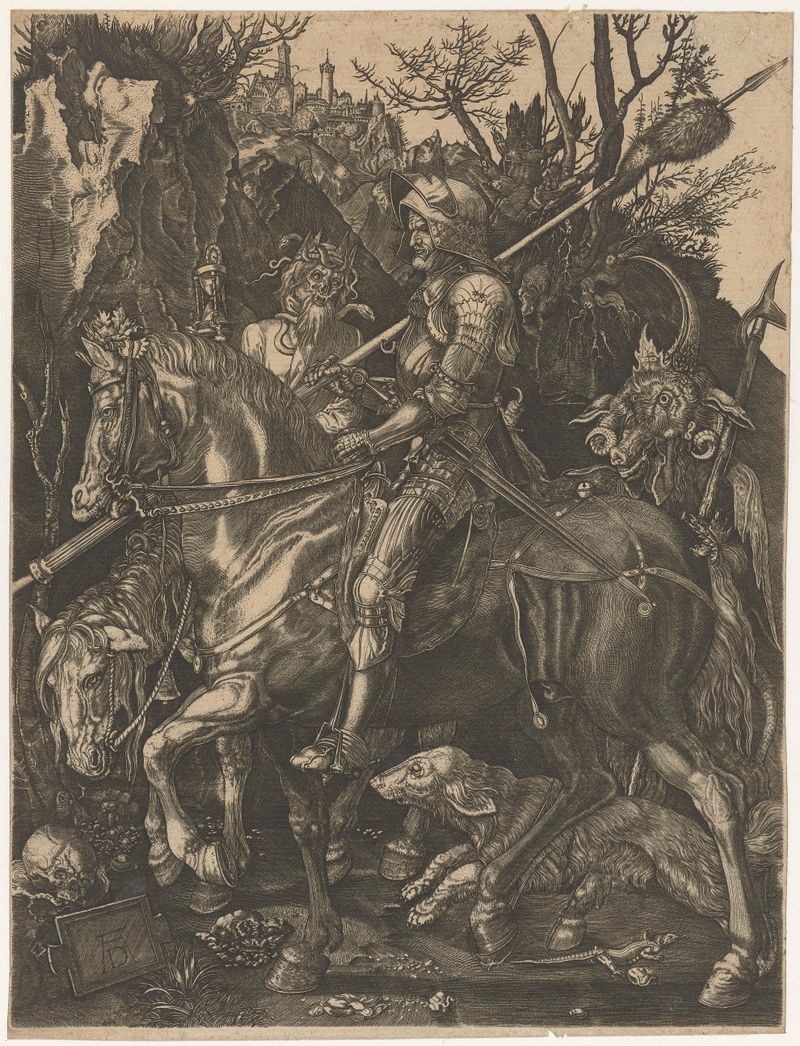
Ridder, Dood en Duivel
Unknown Artist
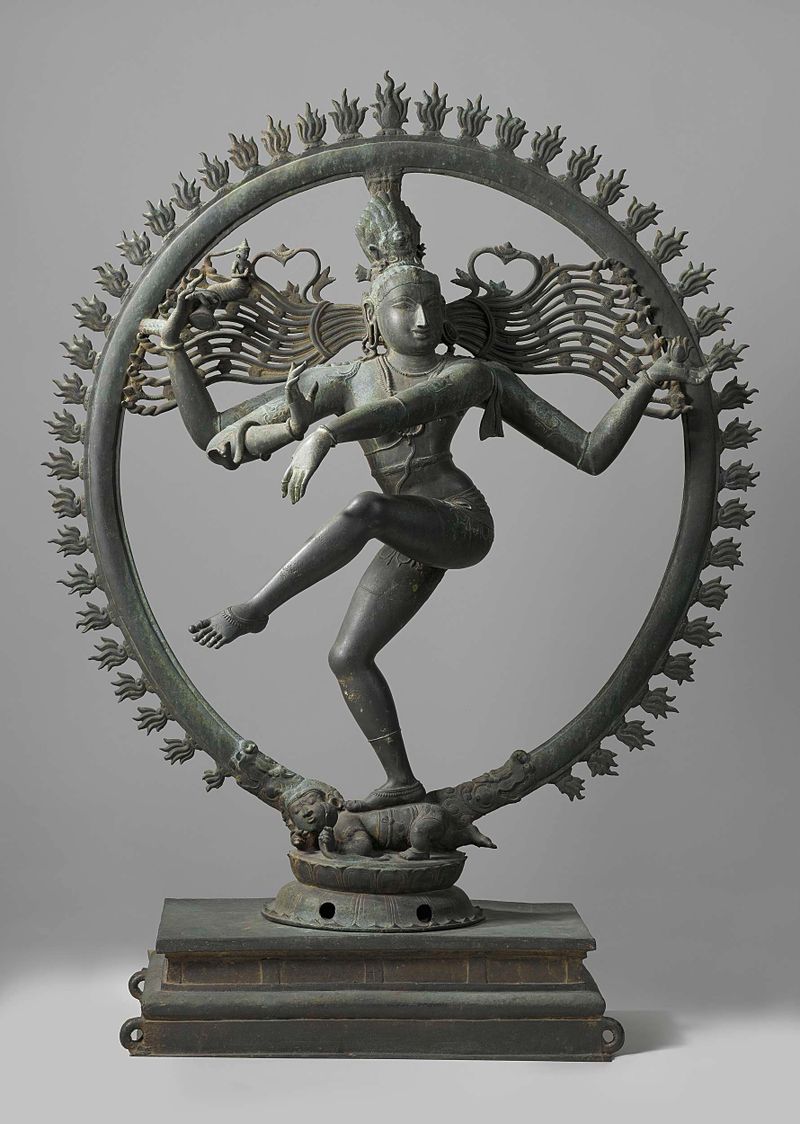
Shiva Nataraja
Unknown Artist
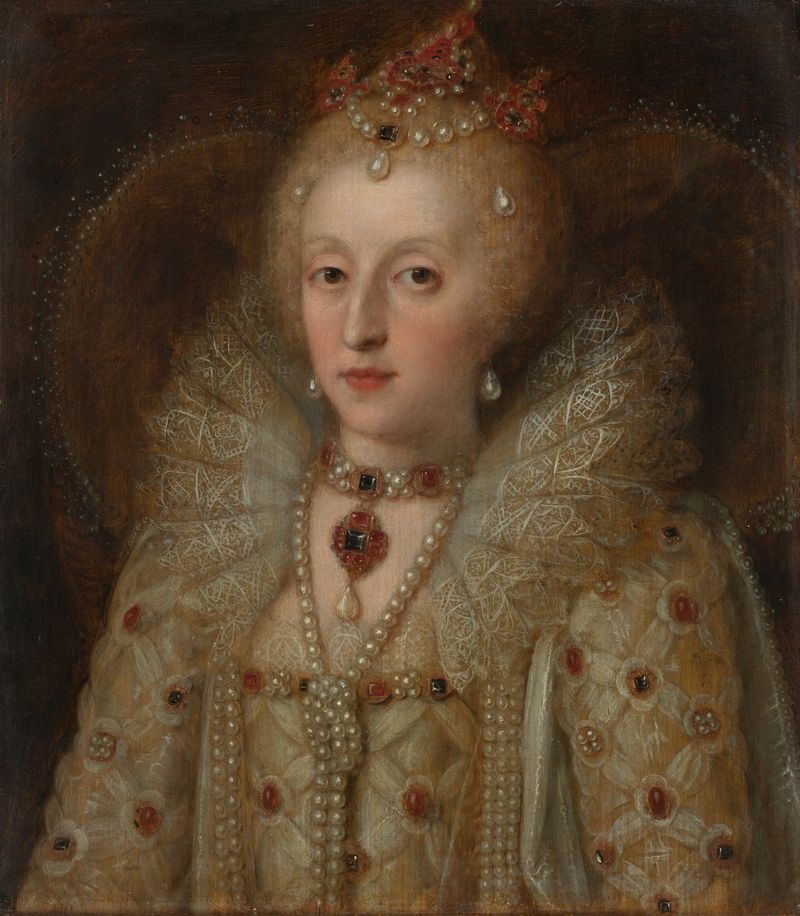
Portrait of Elizabeth I, Queen of England
Unknown Artist
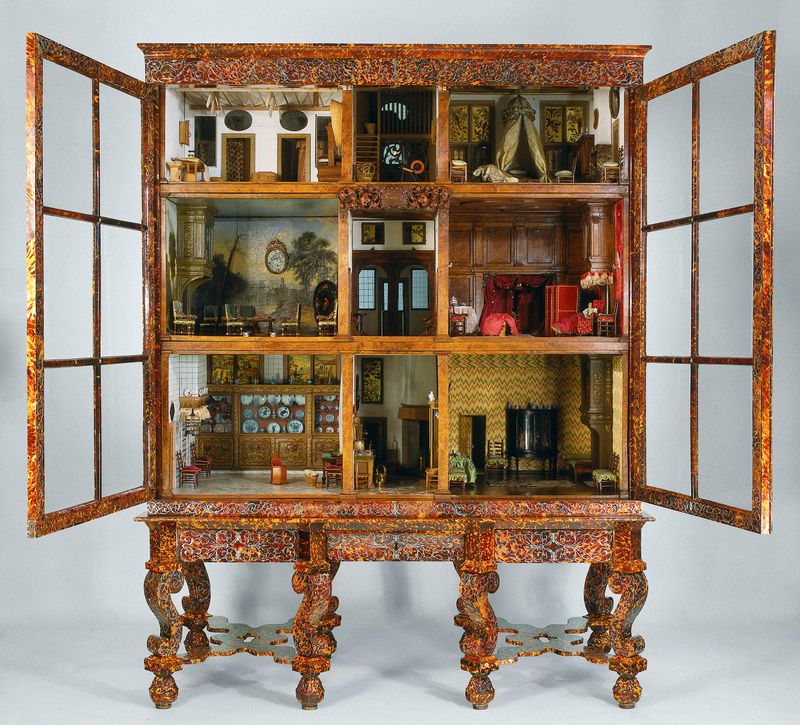
Dolls’ house of Petronella Oortman
Unknown Artist
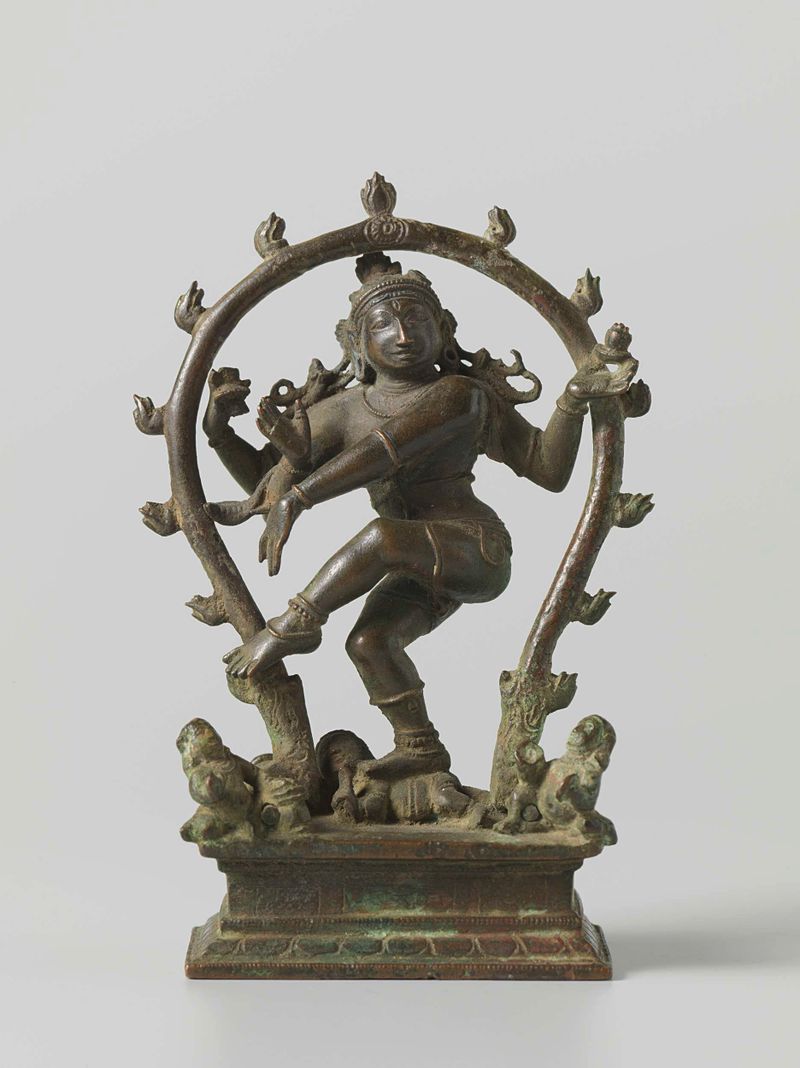
Shiva Nataraja
Unknown Artist

The Tale of Genji
Unknown Artist

The Tale of Genji
Unknown Artist
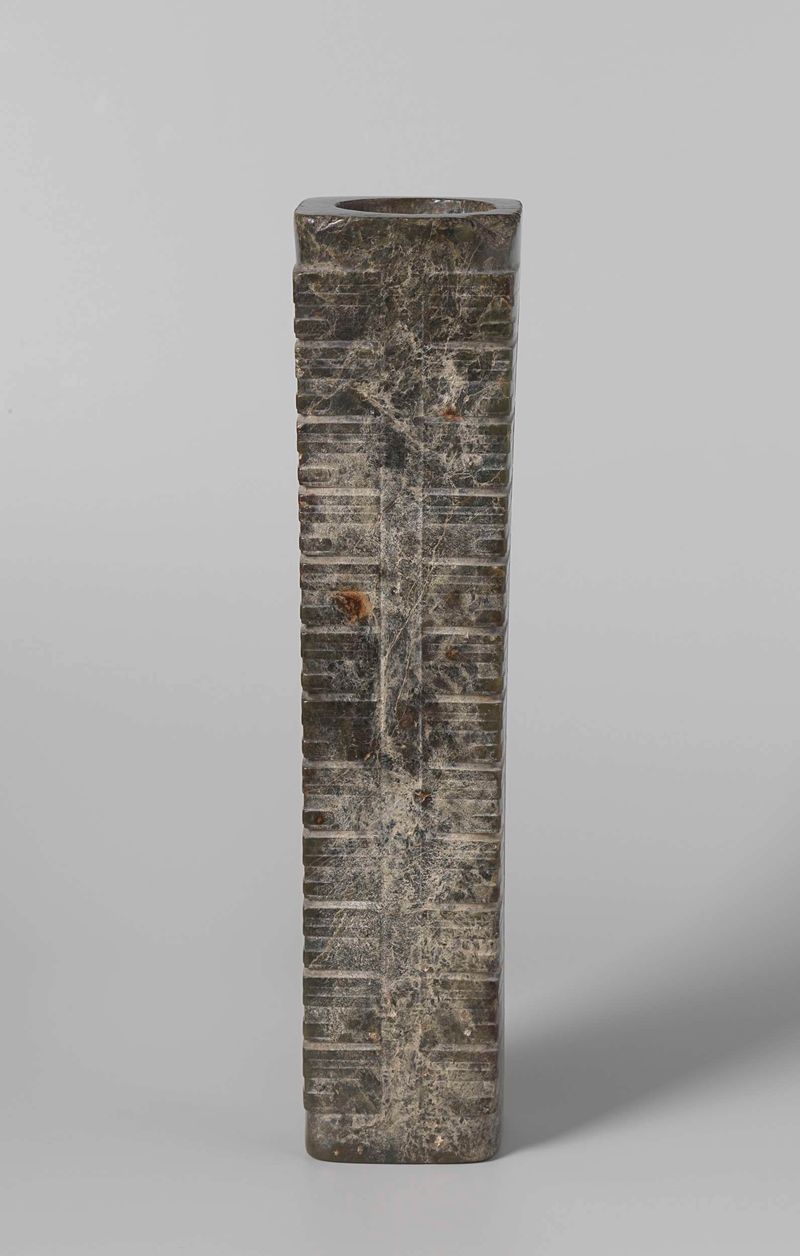
Cong
Unknown Artist
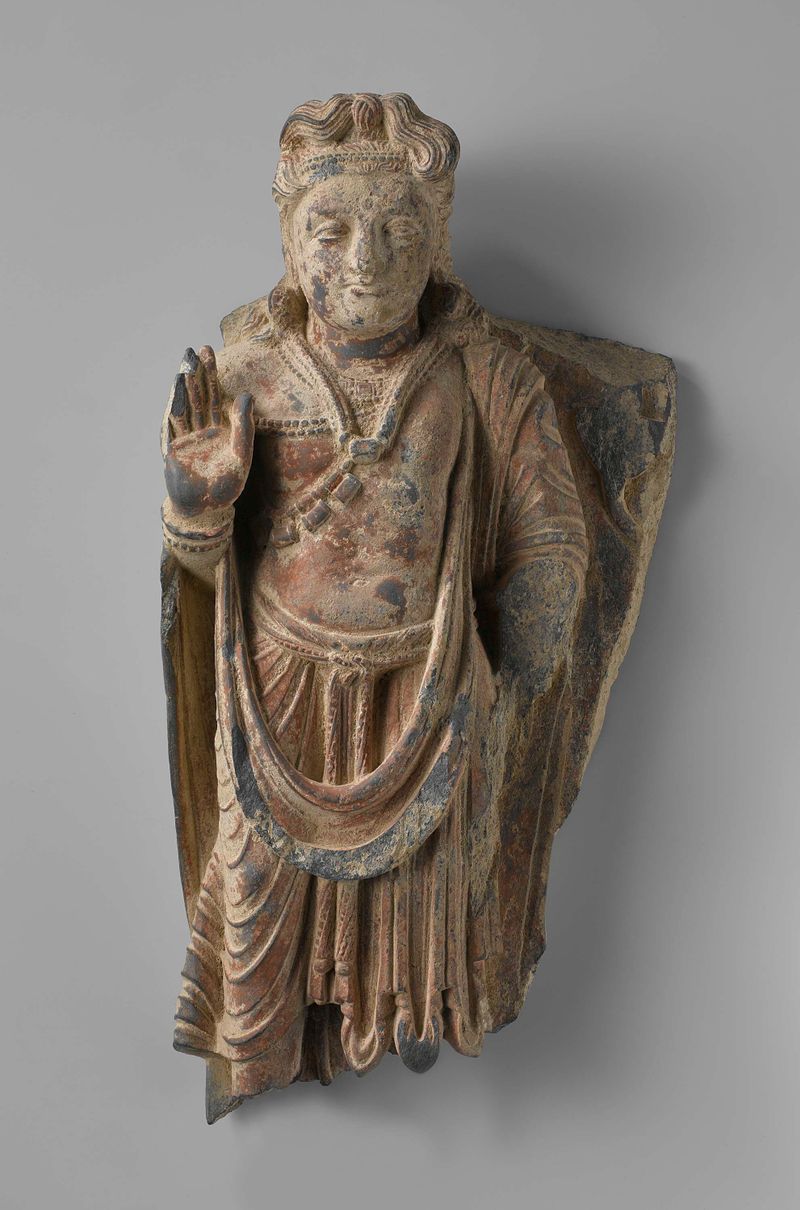
The bodhisattva Maitreya
Unknown Artist
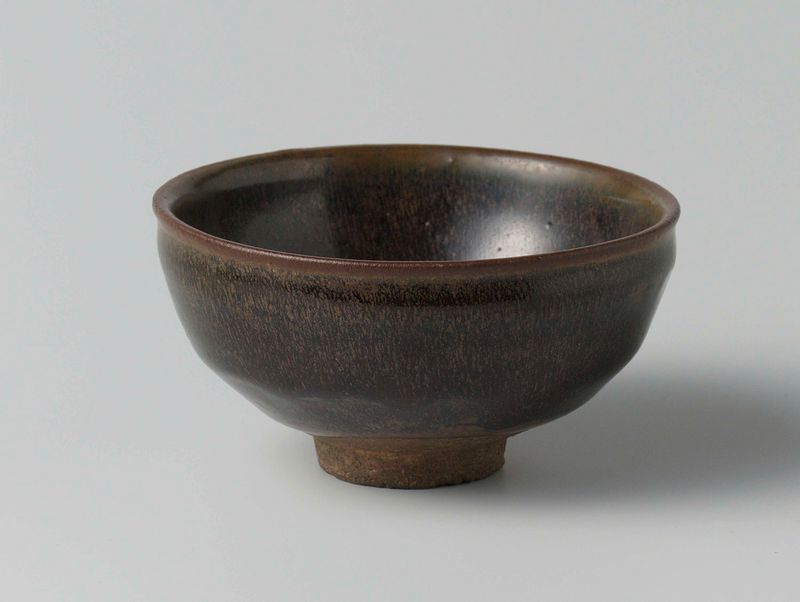
Teabowl with a 'hare's fur' glaze
Unknown Artist





