Painting — History & Facts
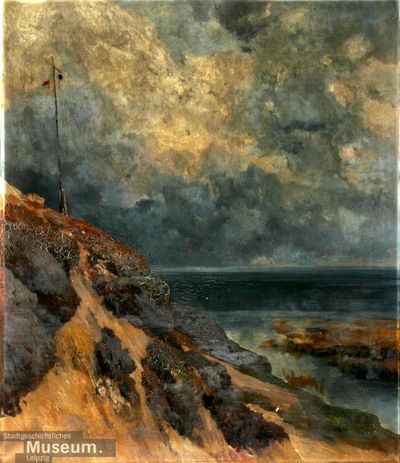
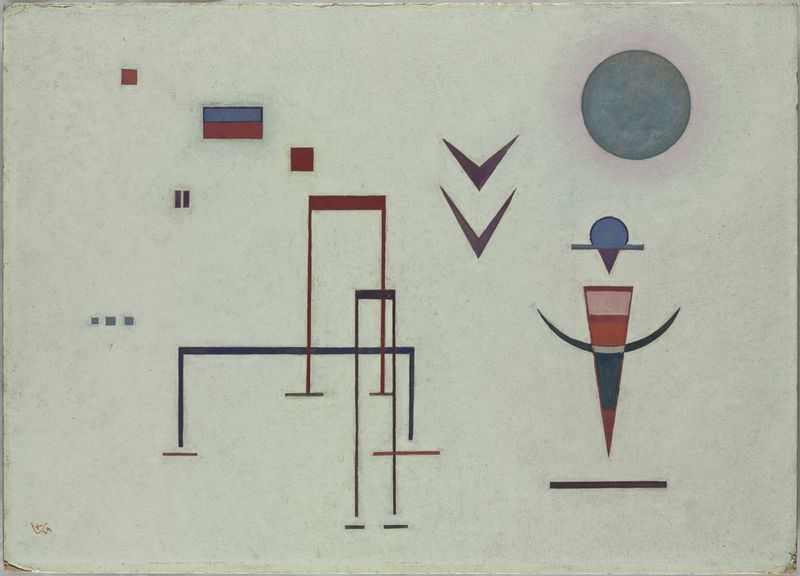
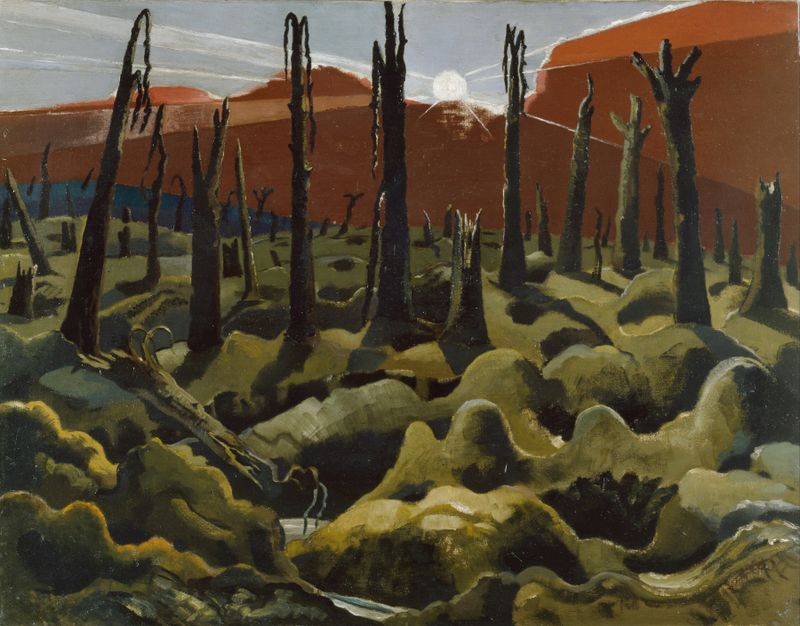
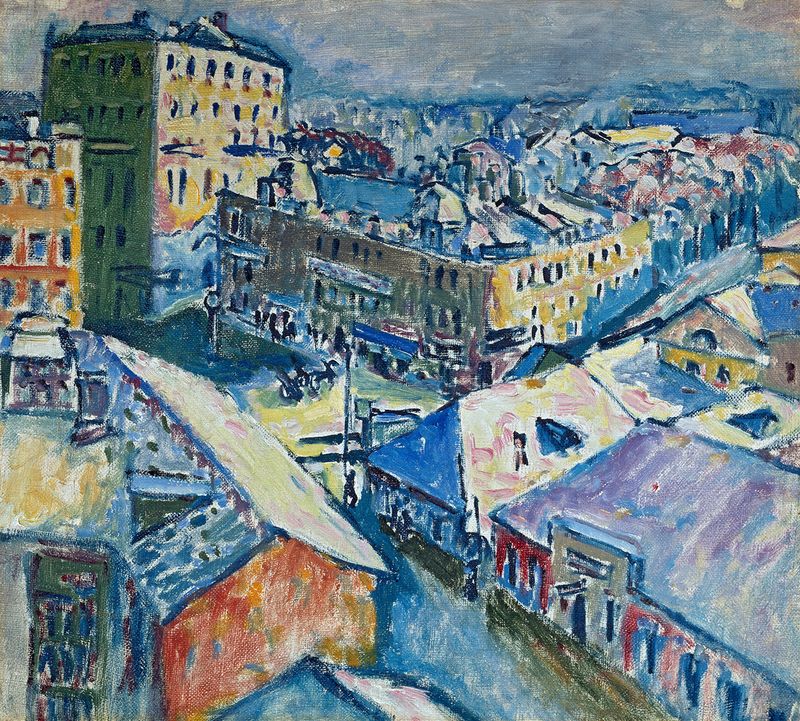
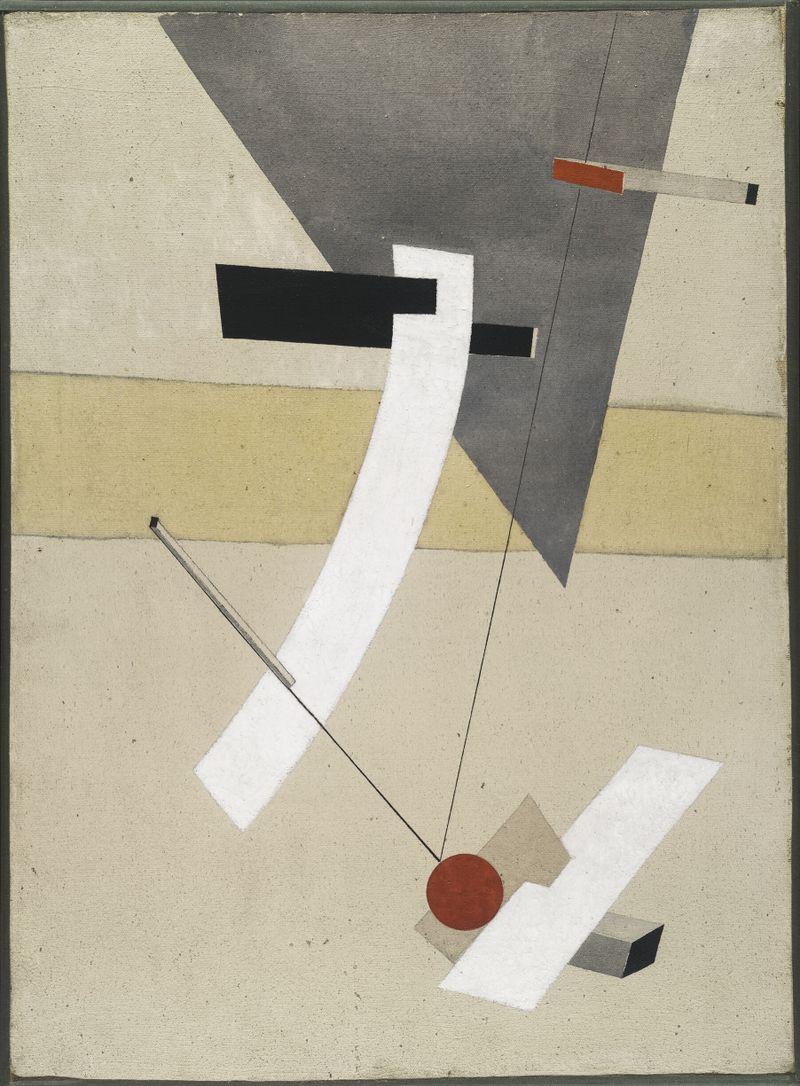
What if silence could speak through light? In a world often drowning in chaos, this artwork invites us to listen to the whispers of stillness. Look to the center of the canvas, where fragmented shapes collide and intertwine, creating a chaotic symphony of colors. The brushstrokes are frenetic, yet somehow unified, suggesting a dialogue between disorder and harmony. Notice how light dances across the surface, casting shadows that seem to pulse with an inner rhythm.
The contrast between the soft pastels and the bold strokes reveals an underlying tension, as if the canvas itself teeters on the brink of collapse. As you observe, deeper themes emerge from this tumultuous composition. Each chaotic swirl embodies a moment of struggle, while the lighter hues hint at hope and resolution waiting just beyond the turmoil. The layered textures convey a sense of depth that invites introspection, making the viewer ponder how chaos can coexist with tranquility, a duality inherent in the human experience. During a period of artistic experimentation in the late 19th century, the artist created this piece while navigating the shifting tides of modernism and tradition.
The influence of impressionism and emerging abstract forms is evident, reflecting a world grappling with rapid change and uncertainty. Little is documented about the specific circumstances surrounding its creation, but the emotional resonance of this work speaks to universal themes of upheaval and the quest for inner peace.