
Painting — History & Facts
This sentiment resonates deeply with the heart of creation, where destiny intertwines with the ephemeral. In the delicate strokes of a masterful hand, we find not only the allure of visual splendor but also the whispers of deeper truths. Look closely at the intricate details that adorn the surface. Notice how the gilded backgrounds shimmer with a luminous quality, drawing your gaze towards the central figures.
Their expressions, a mix of serenity and sorrow, invite contemplation of their silent narratives. The meticulous layering of colors enhances the emotional weight of the scene, while the careful delineation of forms speaks to a profound understanding of human experience. In the interplay of light and shadow, there's a striking contrast between the divine and the mortal. The golden highlights symbolize the aspiration of the soul, while the darker hues evoke the struggles faced on Earth.
Each element in the composition seems to dance between the realms of destiny and desire, revealing how beauty often masks deeper turmoil. The viewer is left pondering the fragile nature of existence, where joy and suffering coalesce. Attributed to the Meister der Pollinger Tafeln, this piece was created during a period of artistic innovation in the early 15th century, likely between 1439 and 1444. The artist worked in a vibrant environment, with the rise of the Northern Renaissance and a burgeoning interest in detail and emotion.
This era marked a shift in focus, where profound narratives began to emerge within the confines of visually captivating works, reflecting the complexities of life and faith.
More Artworks by Meister der Pollinger Tafeln (Herstellung), 1439-1444 (zugeschrieben)
Browse all →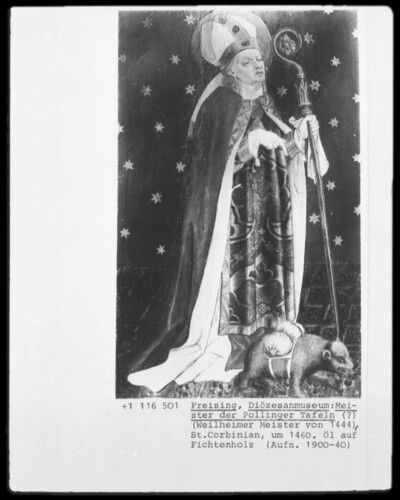
More Religious Art
Browse all →
The Return of the Prodigal Son
Rembrandt van Rijn

The Garden of Earthly Delights
El Bosco

Count Orgaz’ funeral
El Greco

The Hundred Guilder Print: the central piece with Christ preaching, the plate arched
Rembrandt van Rijn

The Descent from the Cross
Rogier van der Weyden

The return of the prodigal son
Rembrandt van Rijn