German
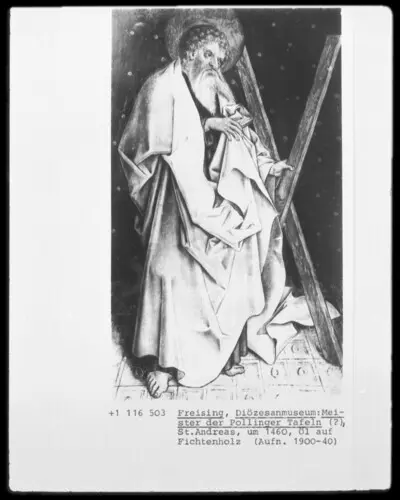
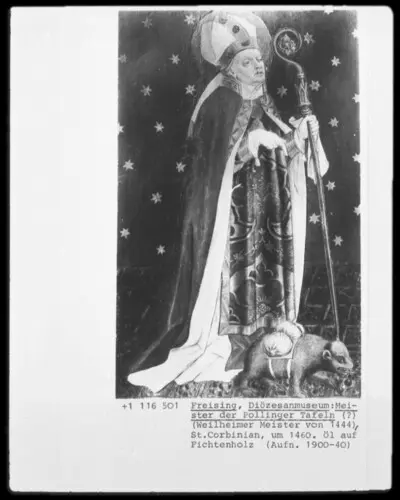
The Meister der Pollinger Tafeln, active between 1439 and 1444, is an anonymous artist attributed to the creation of the Pollinger Altarpiece, a significant work of late Gothic art in Germany. The artist's exact nationality remains uncertain, but they are believed to have been part of the German artistic tradition. The Pollinger Tafeln are characterized by their intricate detail and vibrant colors, reflecting the stylistic developments of the period. The altarpiece, which features scenes from the life of Christ and the Virgin Mary, showcases the artist's skill in narrative composition and emotional expression. Although little is known about the artist's training or personal life, their work has been recognized for its contribution to the evolution of religious art in the region during the 15th century. The Meister der Pollinger Tafeln remains an important figure in the study of Gothic painting, representing the transition towards the Renaissance in Northern Europe.
2 artworks