
Pajottenland — History & Facts
Can paint confess what words never could? In the quiet expanse of Pajottenland, a haunting, melancholic landscape unfolds, inviting the viewer to contemplate the unvoiced sorrows of the human experience. Focus on the rolling hills in the background, where muted greens and browns intertwine in a gentle embrace. Notice how the soft brushstrokes create a sense of movement, almost as if the land breathes under the weight of an unspoken narrative. The sky, smeared with faded blues, hints at a day almost lost to dusk, bathing everything below in a wistful light that embodies the essence of nostalgia. Amidst this serene yet somber backdrop, observe the lonely figure standing slightly off-center, their presence a poignant contrast against the vastness around them.
Their form is rendered with delicate strokes, suggesting an internal struggle that echoes through the landscape. The juxtaposition of the figure’s stillness against the dynamic earth signifies a deeper emotional tension—an invitation to reflect on solitude and the quiet yearning for connection. Created in 1938, Pajottenland captures Jean Brusselmans at a pivotal moment in his career, as he sought to define his voice amidst the tumult of European art movements and the turmoil of approaching war. Living in Belgium, he embraced the Post-Impressionist style while infusing his work with a distinctive personal touch, echoing the melancholy that permeated the world around him.
The painting serves as a testament to his introspective exploration of landscape and emotion, resonating across decades.
More Artworks by Jean Brusselmans
Browse all →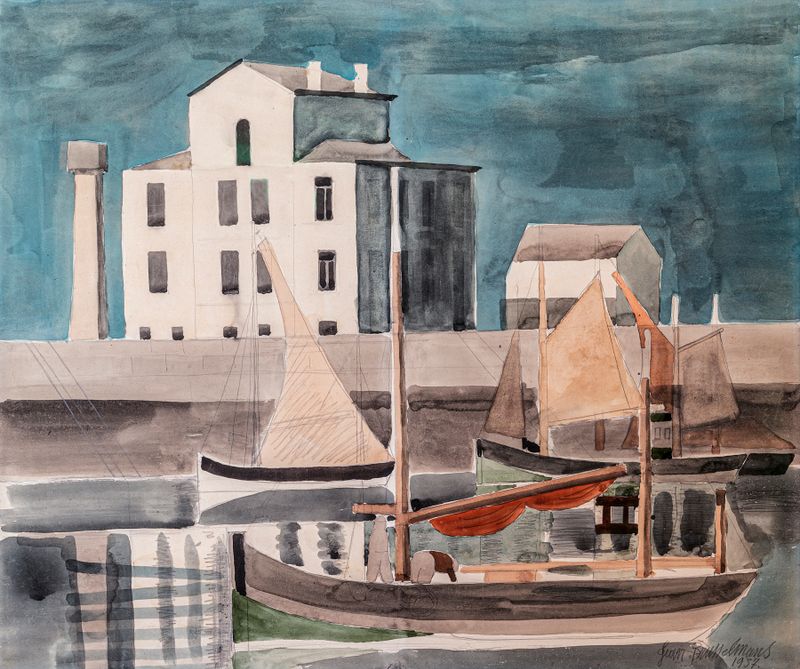
Haven van Oostende
Jean Brusselmans

Paysage Sint-Martens-Bodegem III
Jean Brusselmans

Tuinen
Jean Brusselmans

Winterlandschap (Sneeuwlandschap)
Jean Brusselmans

Vuurtoren te Oostende
Jean Brusselmans

The old Princess Bridge in Molenbeek-Saint-Jean
Jean Brusselmans

North Sea
Jean Brusselmans
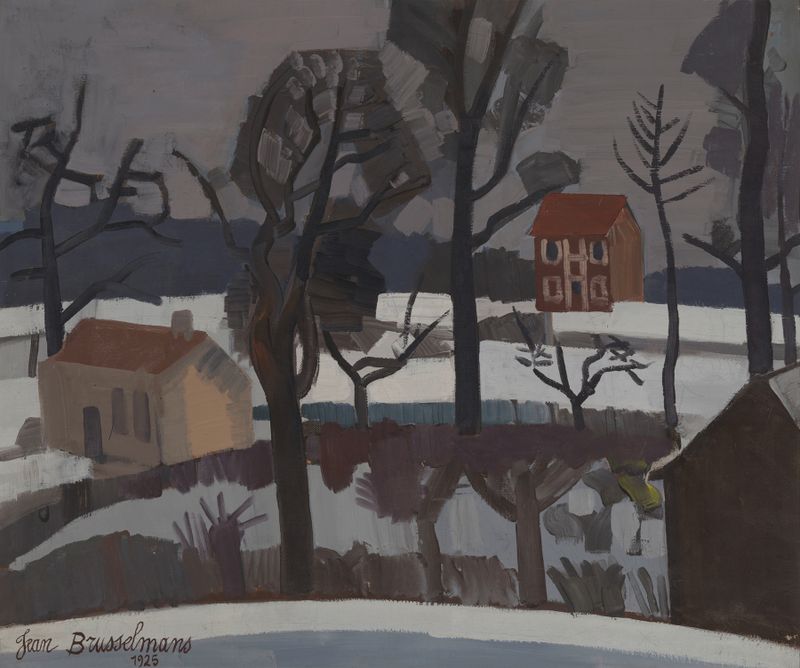
Winterlandschap (Sneeuwlandschap)
Jean Brusselmans
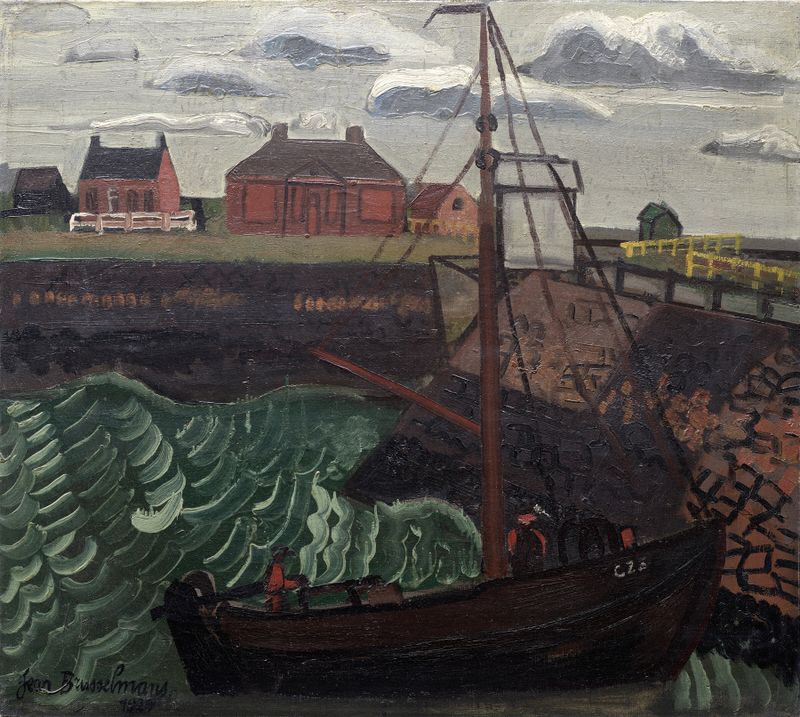
Port de pêche
Jean Brusselmans

Sunny Landscape
Jean Brusselmans





