
Winterlandschap (Sneeuwlandschap) — History & Facts
Is this a mirror — or a memory? In the depths of winter, a landscape emerges, coated in ethereal white, evoking a longing for warmth and connection beneath the chill of the snow. Focus on the expansive canvas, where soft, muted whites and cool blues blend seamlessly, creating a serene yet haunting expanse. Look closer at the gentle undulations of the snow-covered hills, their curves guiding the eye toward distant trees, silhouetted in dark browns and grays. The brushwork conveys a tactile quality, each stroke a whisper of the cold air, inviting viewers to feel the hush of the winter landscape. Beneath this tranquil surface lies a profound emotional tension.
The stark contrast between the vibrant life of warmer seasons and the frostbitten stillness suggests a yearning for moments lost, a reflection of the artist’s own desires. The isolation depicted resonates deeply, as the viewer senses a shared solitude, both comforting and melancholic. The quietude of the scene hints at a longing for human connection, a tender plea amidst nature's frozen breath. In 1925, Jean Brusselmans painted Winterlandschap (Sneeuwlandschap) during a period of exploration within the Belgian art scene, marked by a shift towards modernism.
Emerging from a complex personal journey, he sought to capture the essence of the world around him through emotional landscapes. This piece reflects not only his artistic evolution but also the broader cultural shifts of a post-war Europe, where the starkness of reality met the depths of individual desire.
More Artworks by Jean Brusselmans
Browse all →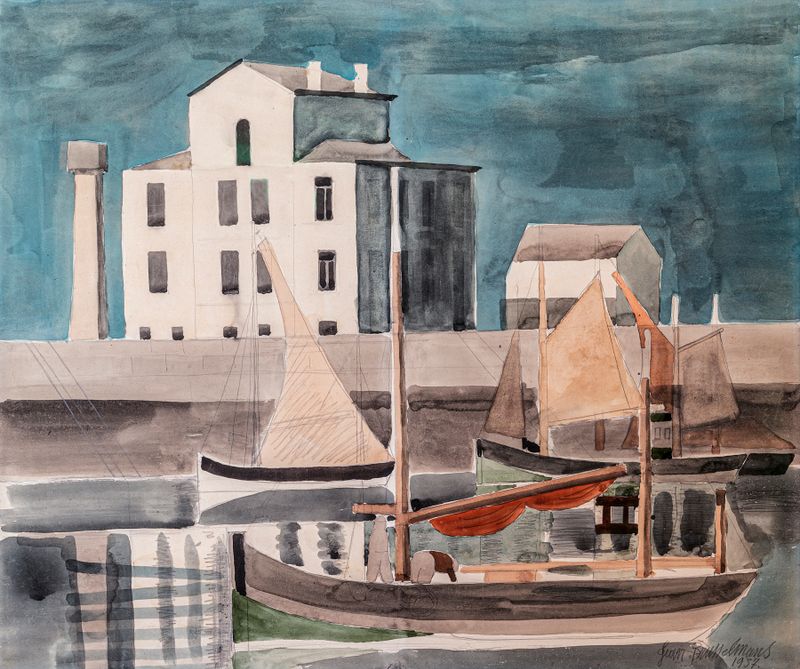
Haven van Oostende
Jean Brusselmans

Paysage Sint-Martens-Bodegem III
Jean Brusselmans

Tuinen
Jean Brusselmans

Vuurtoren te Oostende
Jean Brusselmans

The old Princess Bridge in Molenbeek-Saint-Jean
Jean Brusselmans

North Sea
Jean Brusselmans
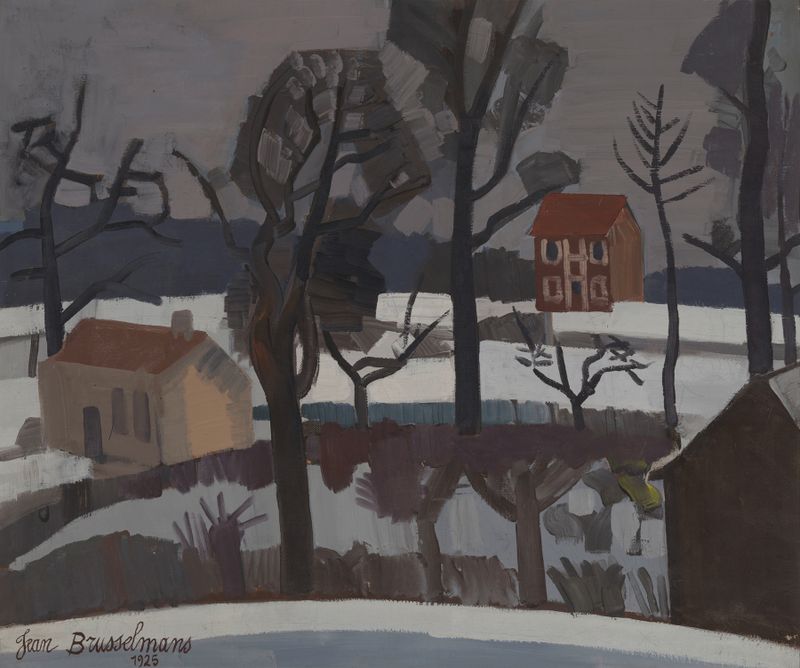
Winterlandschap (Sneeuwlandschap)
Jean Brusselmans
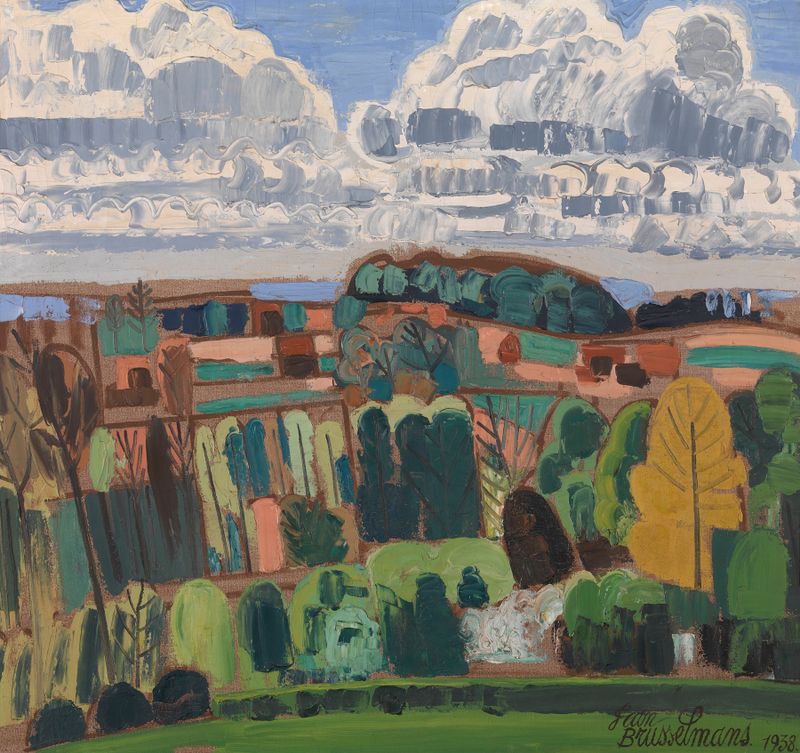
Pajottenland
Jean Brusselmans
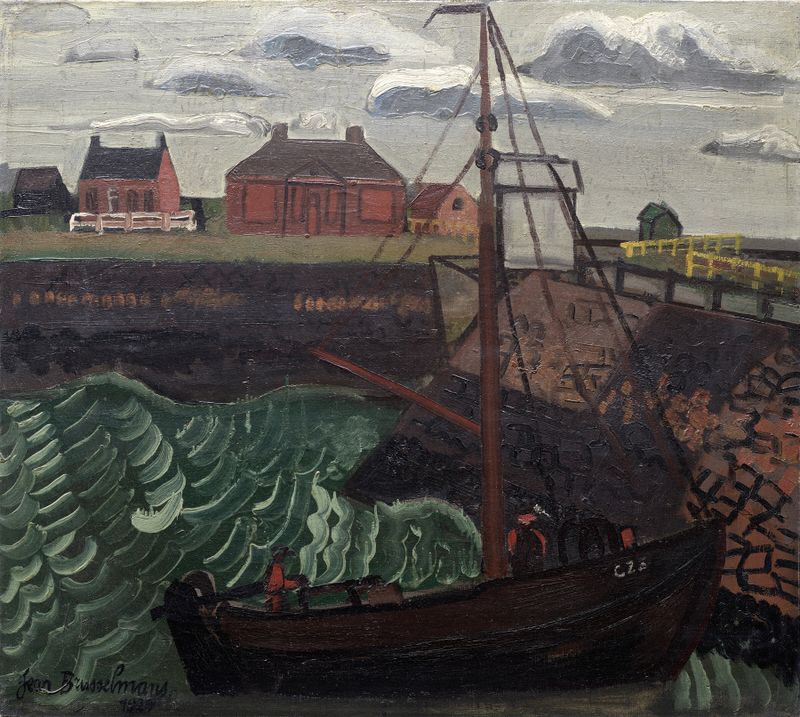
Port de pêche
Jean Brusselmans

Sunny Landscape
Jean Brusselmans





