
Palazzo — History & Facts
Where does light end, and longing begin? In the interplay of shadows and brilliance, beauty emerges as a palpable force, inviting contemplation and reverence. Look to the left at the soft caress of sunlight spilling onto the elegant façade of the palazzo. Notice the warm earth tones that dance harmoniously with the cool blues of the sky, creating a dialogue between the architecture and its environment. The artist masterfully employs light to highlight intricate details, drawing your gaze toward the ornate balconies that seem to whisper stories of the past.
The subtle brushstrokes evoke a sense of wear, suggesting both history and the passage of time. As you explore further, consider the emotional contrast between the vibrancy of the light and the stillness of the structure. The delicate balance evokes a sense of nostalgia, a yearning for moments lost yet preserved in the beauty of the scene. The palazzo stands as a symbol of endurance amid the transience of life, provoking thoughts on how beauty can simultaneously uplift and ache.
Each element, from the bright azure sky to the rich, textured walls, serves to amplify the poignant beauty of a place where dreams and memories intertwine. During this period, Antonietta Brandeis painted Palazzo amidst an era of evolving artistic expression in the late 19th century. Living in Venice, she became known for her depictions of the city’s architecture and waterways, capturing both the city's splendor and its quieter, more introspective moments. This work reflects her unique ability to blend realism with a touch of impressionism, showcasing her deep appreciation for the beauty surrounding her.
More Artworks by Antonietta Brandeis
Browse all →
St Mark’s, Venice
Antonietta Brandeis

Venice, a View of Ponte de la Calcina on Rio di San Vio
Antonietta Brandeis
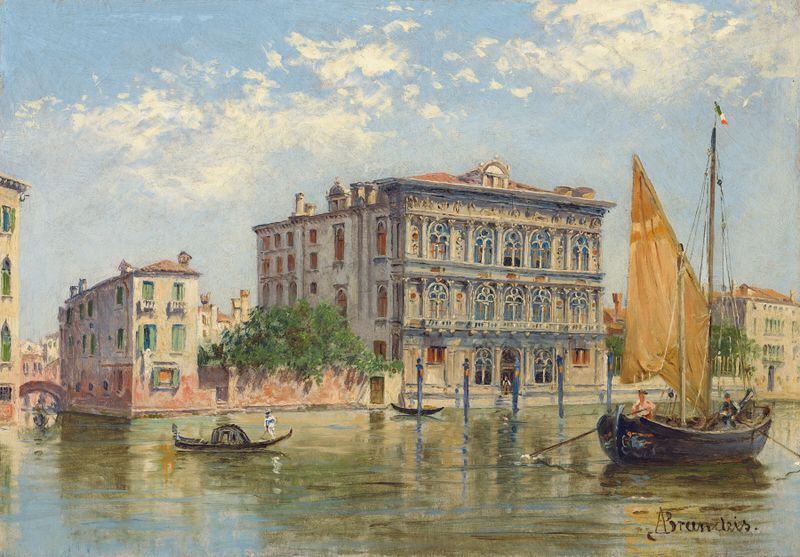
Ca’ Vendramin Calergi from the Grand Canal, Venice
Antonietta Brandeis
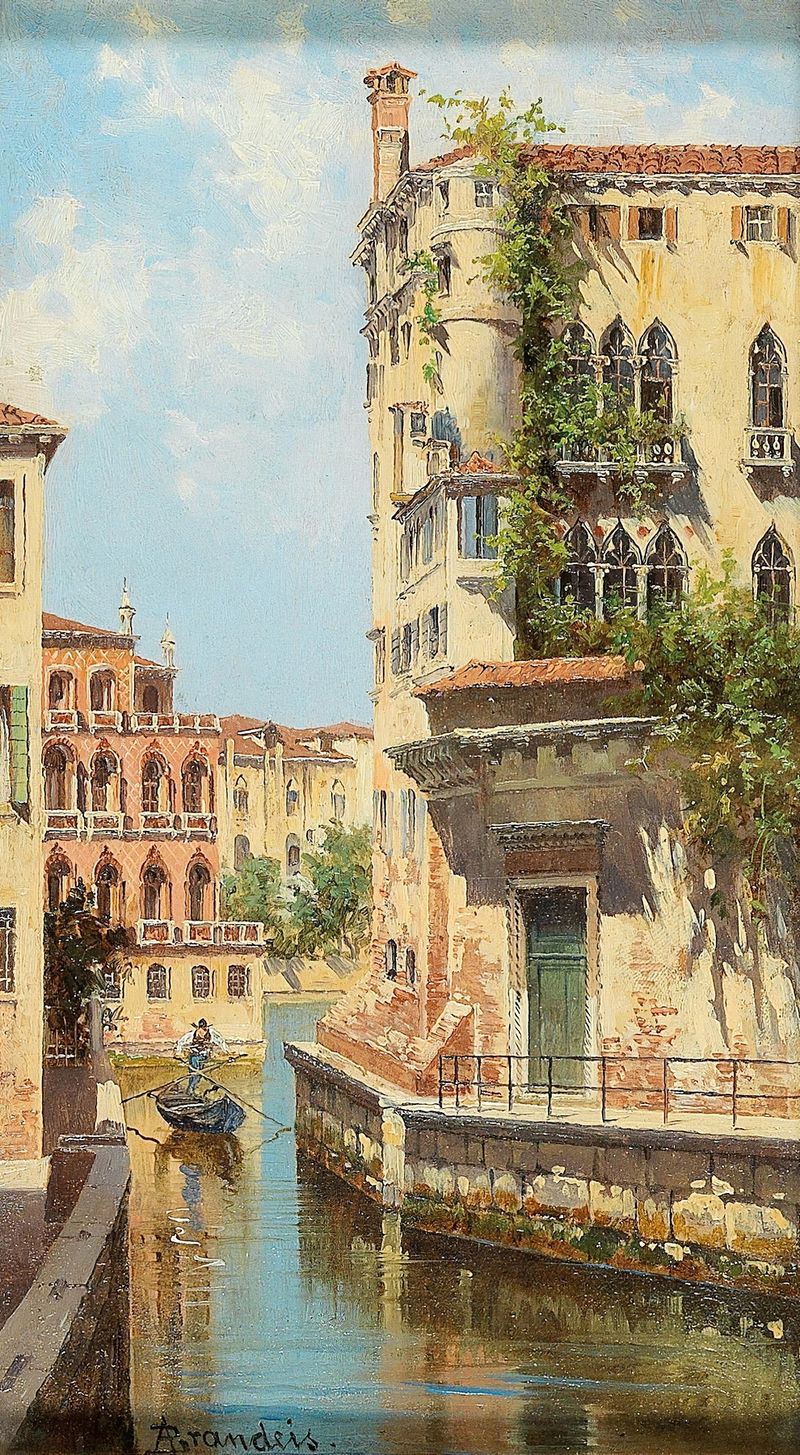
Canal In Venice With View Of The Back Of The Palazzo Rocca
Antonietta Brandeis
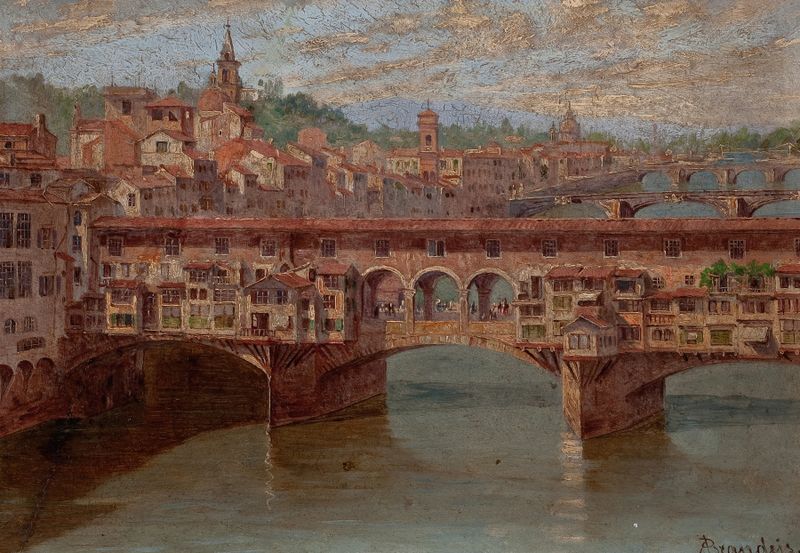
Ponte Vecchio, Florence
Antonietta Brandeis

The Grand Canal, Venice
Antonietta Brandeis
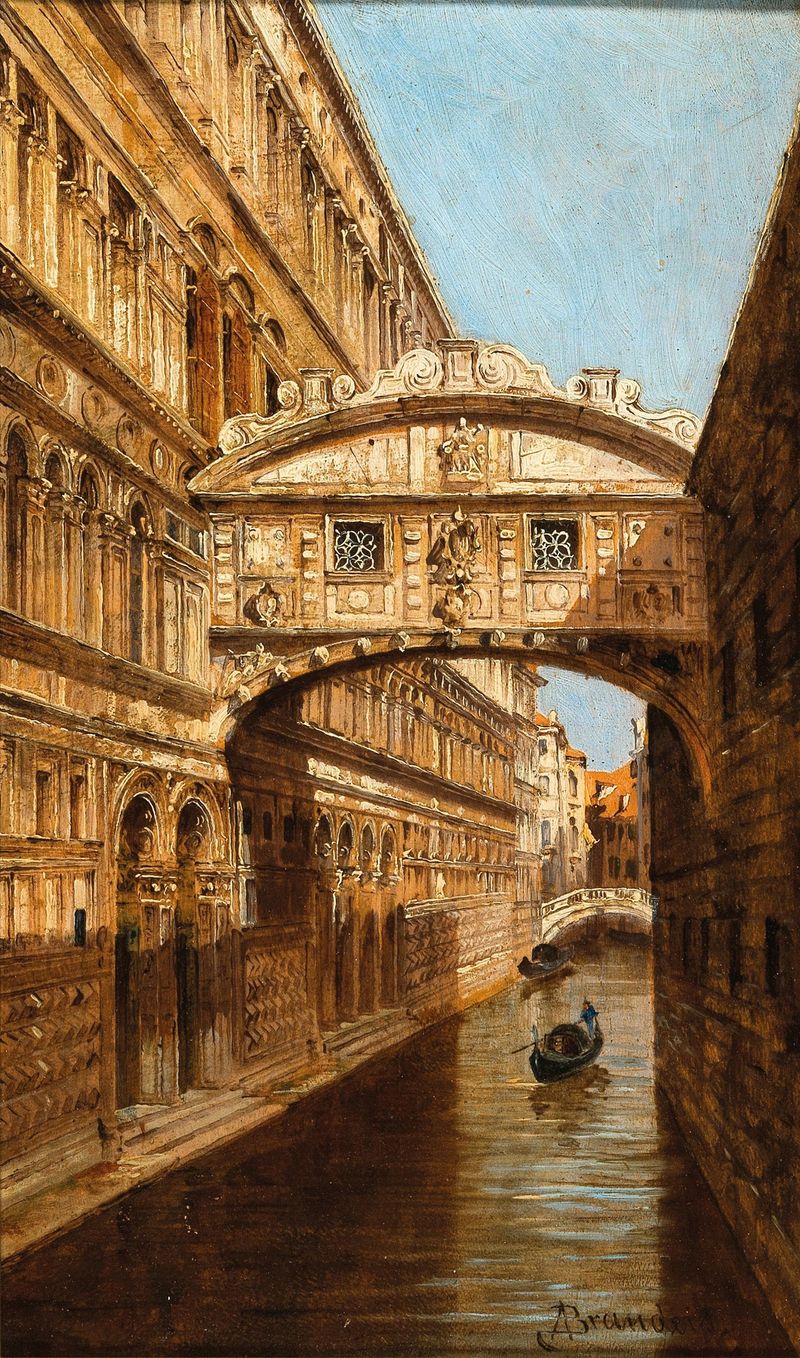
Venice, Le ponte dei Sospiri, Venezia
Antonietta Brandeis
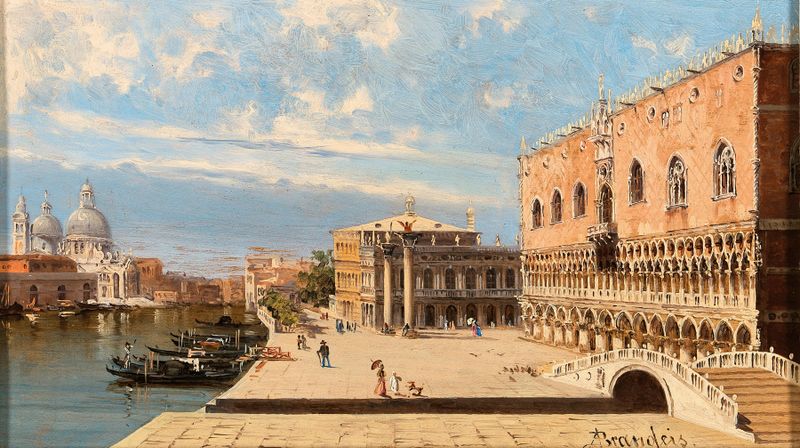
Il Palazzo Ducale Venezia
Antonietta Brandeis
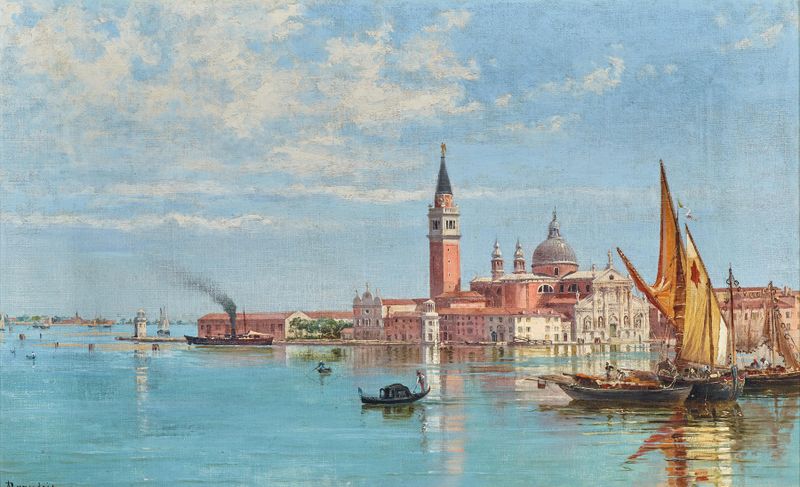
Venice, a View of San Giorgio Maggiore
Antonietta Brandeis
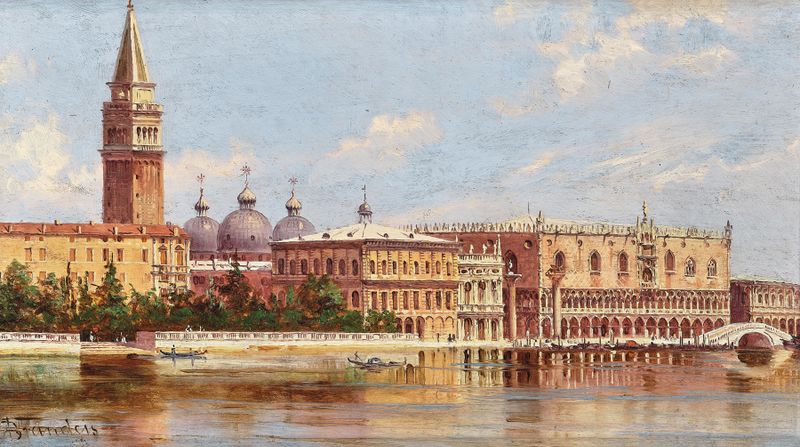
Venice, a View of the Bacino di San Marco
Antonietta Brandeis
More Architecture Art
Browse all →
The statue of Liberty
Frédéric Auguste Bartholdi

View of Houses in Delft, Known as ‘The Little Street’
Johannes Vermeer

View of Houses in Delft, Known as ‘The Little Street’
Johannes Vermeer

The Cathedral in Rouen. The portal, Grey Weather
Claude Monet

The yellow house
Vincent van Gogh

The Church in Auvers-sur-Oise, View from the Chevet
Vincent van Gogh