
Palazzo Ducale — History & Facts
What secret hides in the quiet of the canvas? In the stillness of Palazzo Ducale, balance entwines itself with the whisper of history, beckoning the viewer to pause and reflect. Look to the right at the ornate pillars that emerge from the canvas, their intricate designs drawing the eye toward the sense of grandeur that permeates the scene. The play of light upon the textured surfaces amplifies the sense of depth, inviting you to explore the nuances of shadow and form. Notice how Brandeis employs a palette dominated by warm earth tones, creating a harmonious dialogue between the architecture and the surrounding space, grounding the viewer in a serene yet majestic reality. Delve deeper, and one can sense an emotional tug between presence and absence.
The absence of figures allows the architecture to breathe, yet hints at the stories once told within these walls. There’s a tension in the juxtaposition of solidity against the ethereal light, suggesting a fleeting moment in time, where history quietly lingers and whispers its secrets. This quietude evokes a powerful sense of nostalgia, compelling us to contemplate the lives that shaped this space and the echoes of their stories. Brandeis, an accomplished painter known for her depictions of architectural subjects, created this work during a period that saw a burgeoning interest in capturing the essence of cities and their histories.
Although the exact date remains undetermined, her intricate studies of Venetian locales reflect her deep admiration for the architectural beauty, particularly as she navigated the art world of the late 19th century, where the balance between realism and romanticism became a focal point of artistic exploration.
More Artworks by Antonietta Brandeis
Browse all →
St Mark’s, Venice
Antonietta Brandeis

Venice, a View of Ponte de la Calcina on Rio di San Vio
Antonietta Brandeis
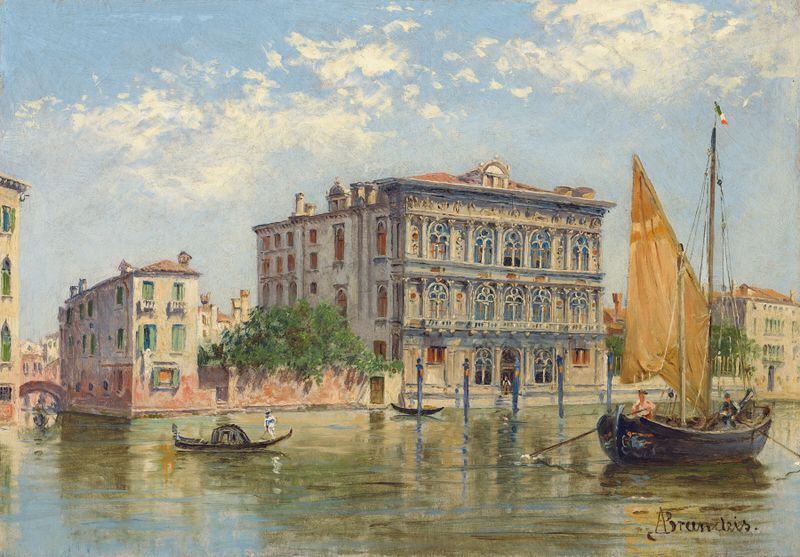
Ca’ Vendramin Calergi from the Grand Canal, Venice
Antonietta Brandeis
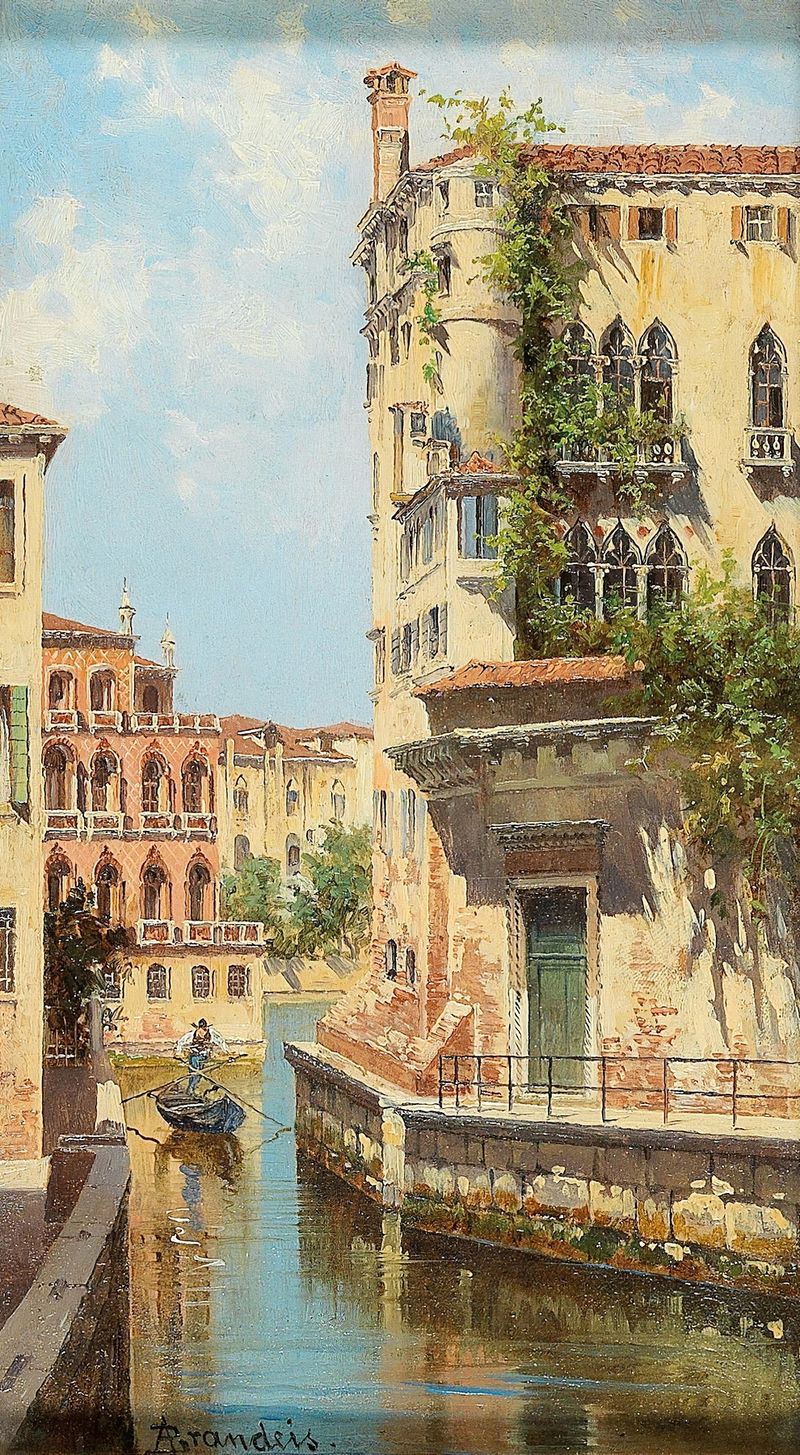
Canal In Venice With View Of The Back Of The Palazzo Rocca
Antonietta Brandeis
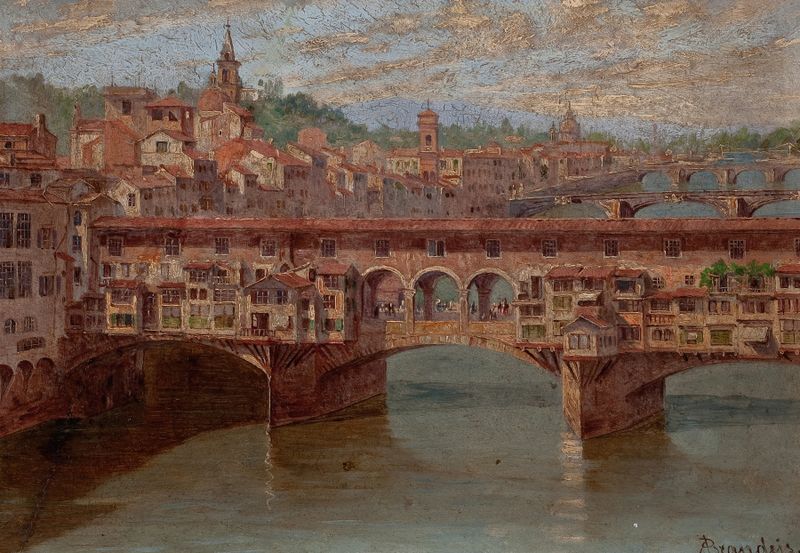
Ponte Vecchio, Florence
Antonietta Brandeis

The Grand Canal, Venice
Antonietta Brandeis
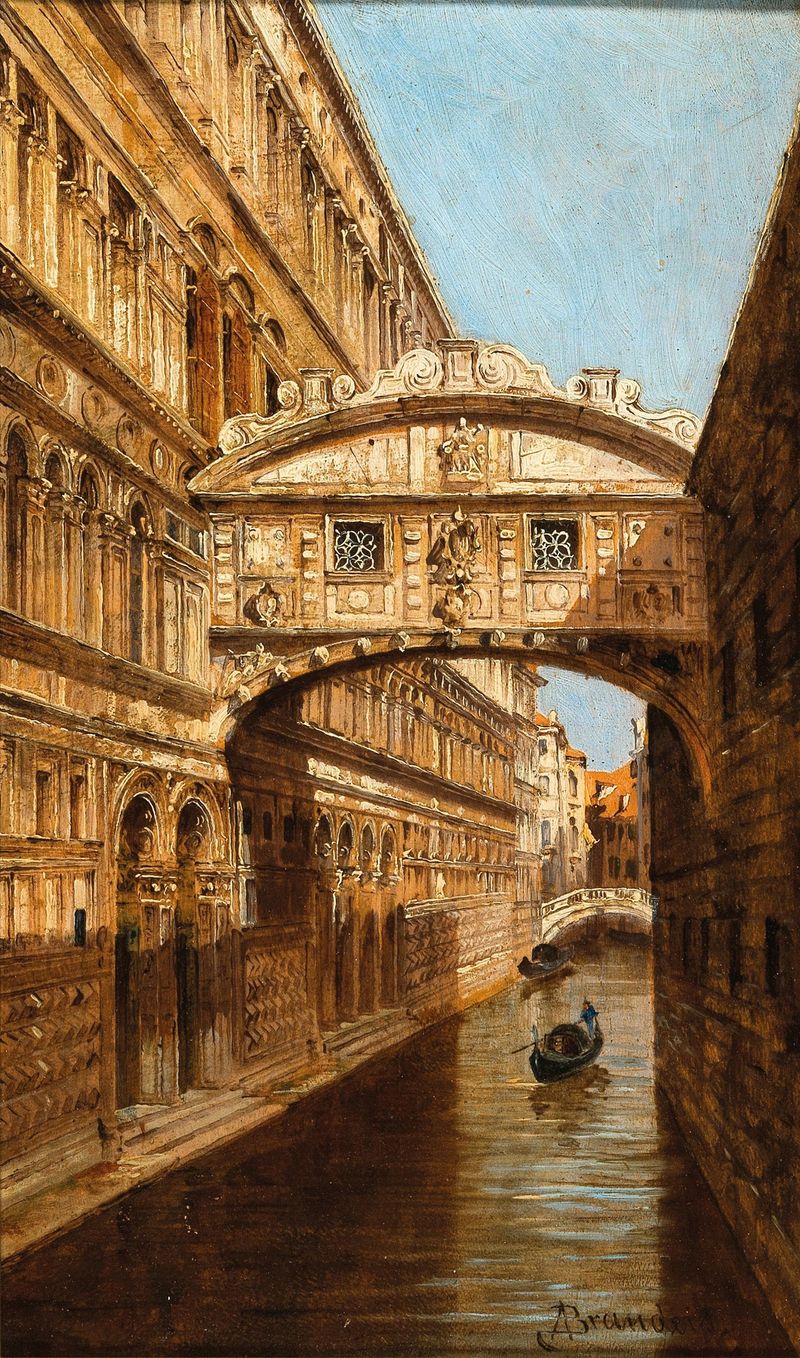
Venice, Le ponte dei Sospiri, Venezia
Antonietta Brandeis
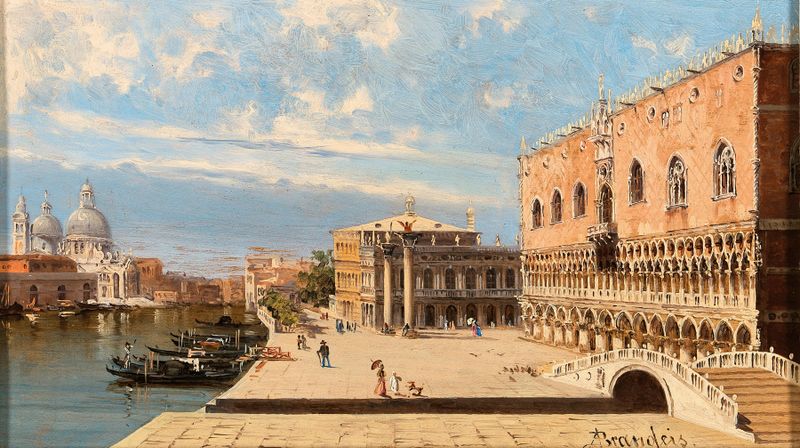
Il Palazzo Ducale Venezia
Antonietta Brandeis
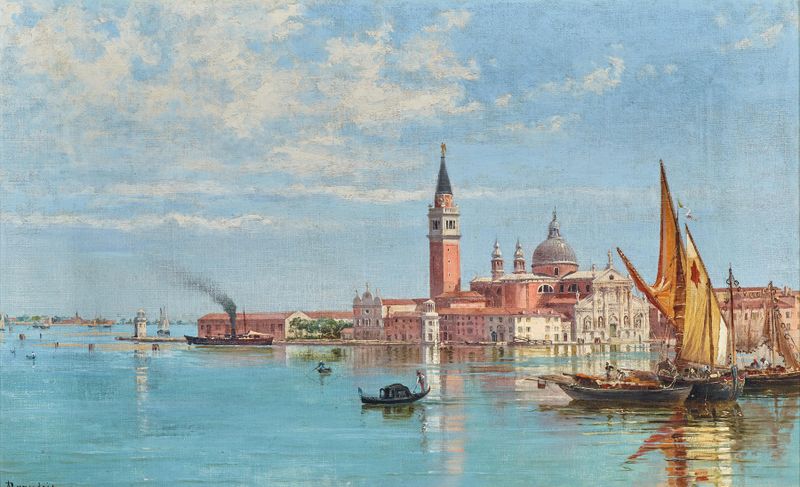
Venice, a View of San Giorgio Maggiore
Antonietta Brandeis
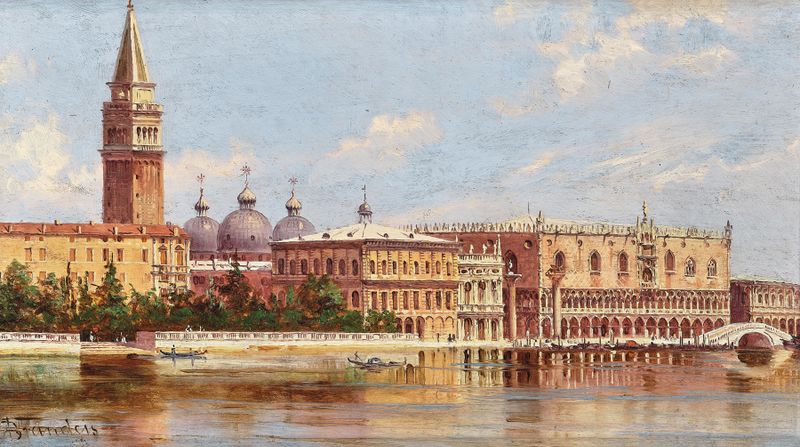
Venice, a View of the Bacino di San Marco
Antonietta Brandeis
More Architecture Art
Browse all →
The statue of Liberty
Frédéric Auguste Bartholdi

View of Houses in Delft, Known as ‘The Little Street’
Johannes Vermeer

View of Houses in Delft, Known as ‘The Little Street’
Johannes Vermeer

The Cathedral in Rouen. The portal, Grey Weather
Claude Monet

The yellow house
Vincent van Gogh

The Church in Auvers-sur-Oise, View from the Chevet
Vincent van Gogh