
Pamela — History & Facts
In Pamela, George Romney presents a portrait of a young woman, likely inspired by the character from Samuel Richardson's novel. The painting features soft, warm colors, with a focus on the subject's delicate features and expressive gaze. The background is subtly painted, allowing the figure to stand out prominently.
The overall composition conveys a sense of intimacy and grace. This artwork is executed in oil on canvas, a common medium for portraiture during the 18th century. The dimensions are approximately 76 x 63 cm, making it a sizable piece that captures the viewer's attention. The brushwork is smooth, emphasizing the softness of the skin and the intricate details of the woman's attire.
The use of light and shadow adds depth, enhancing the three-dimensional quality of the figure. George Romney was a prominent British portrait painter known for his ability to capture the character and beauty of his subjects. Pamela is significant as it reflects the Romantic ideals of beauty and emotion prevalent in the late 18th century. Interestingly, this painting is thought to represent Pamela as an idealized figure, embodying the virtues of virtue and innocence.
Romney's work remains influential, showcasing the transition from Neoclassicism to Romanticism in British art.
More Artworks by George Romney

Lady Hamilton as Tragedy
George Romney
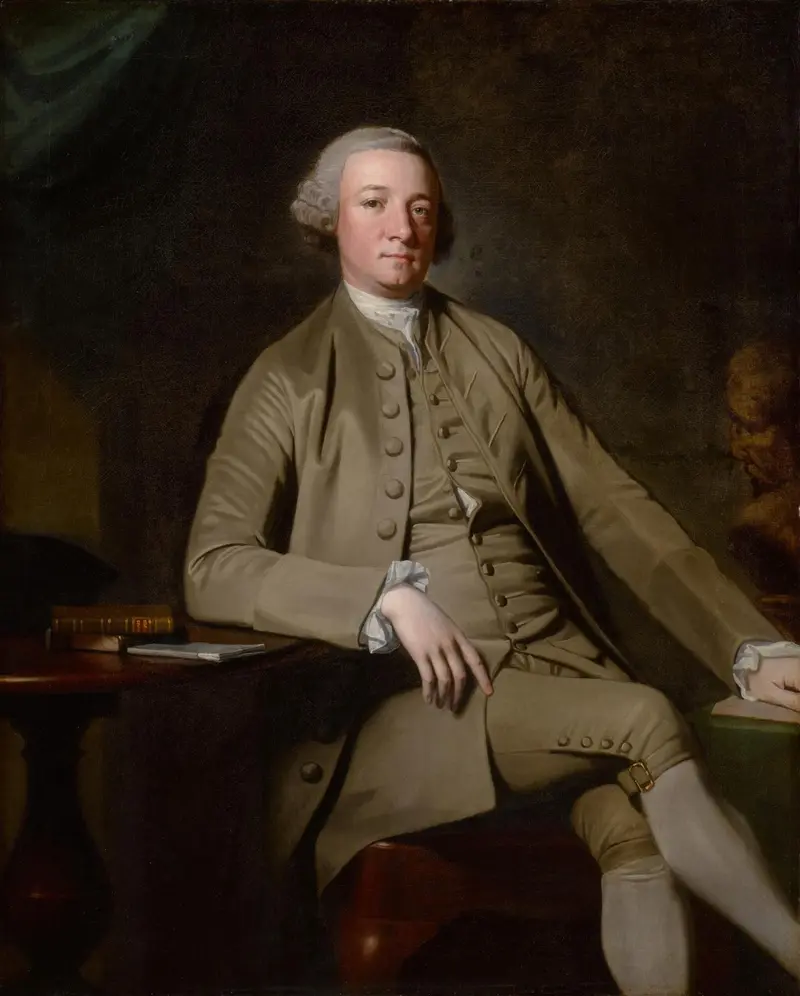
Portrait of a Gentleman, seated, probably William Suddel of Lancaster
George Romney
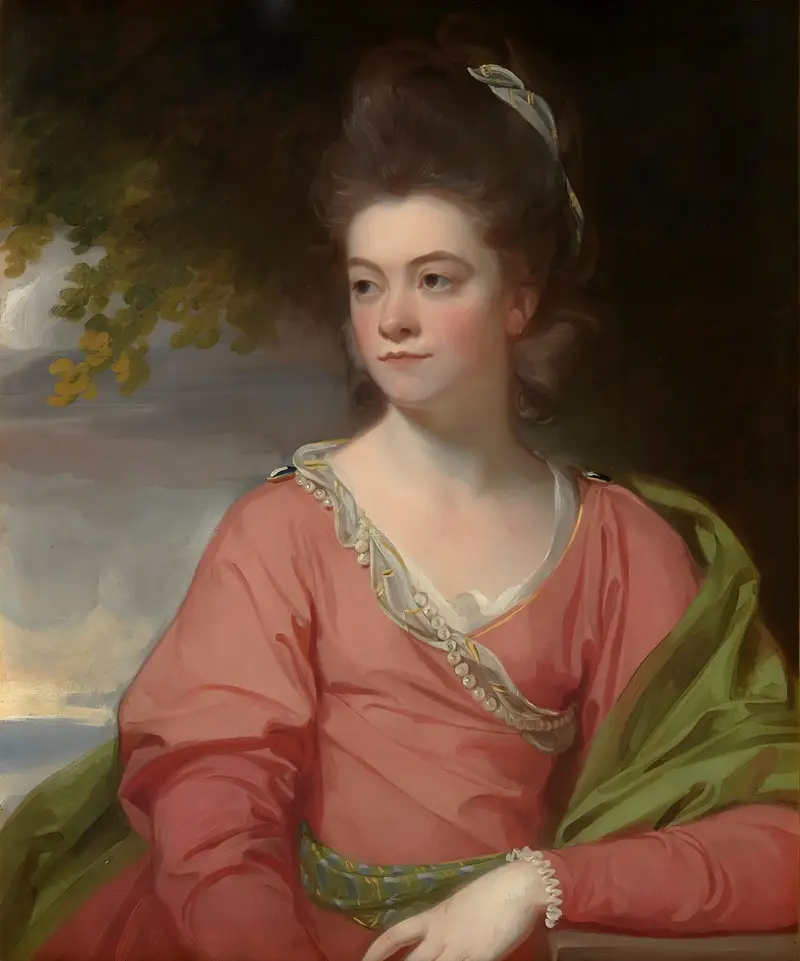
Portrait of a lady, traditionally identified as Miss Inchbold
George Romney
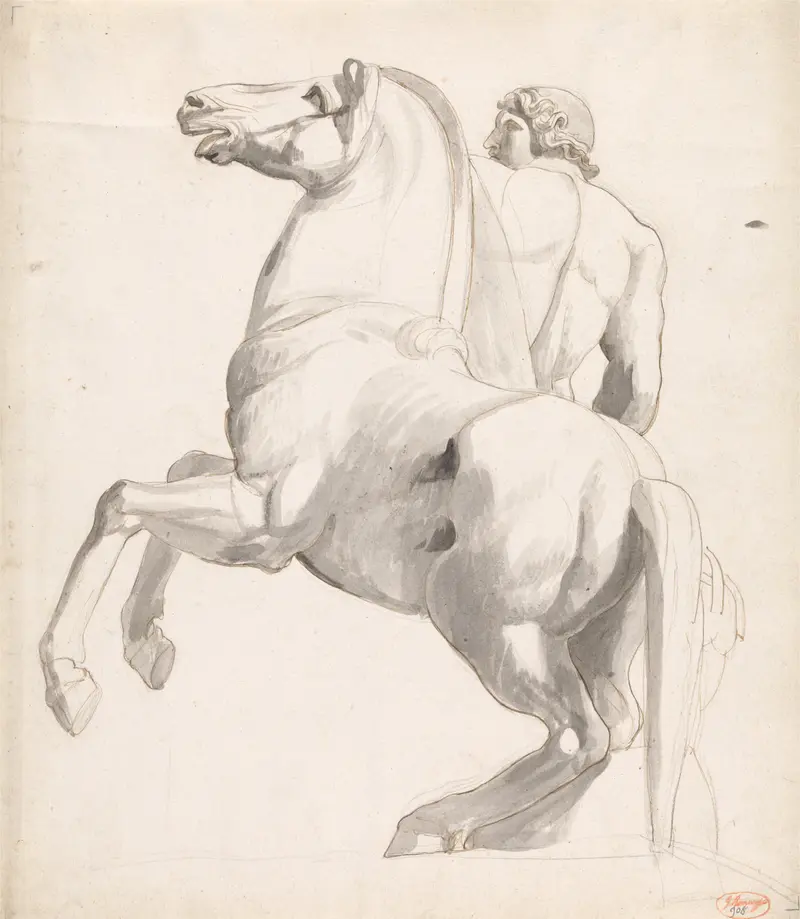
Horseman of Montecavallo
George Romney
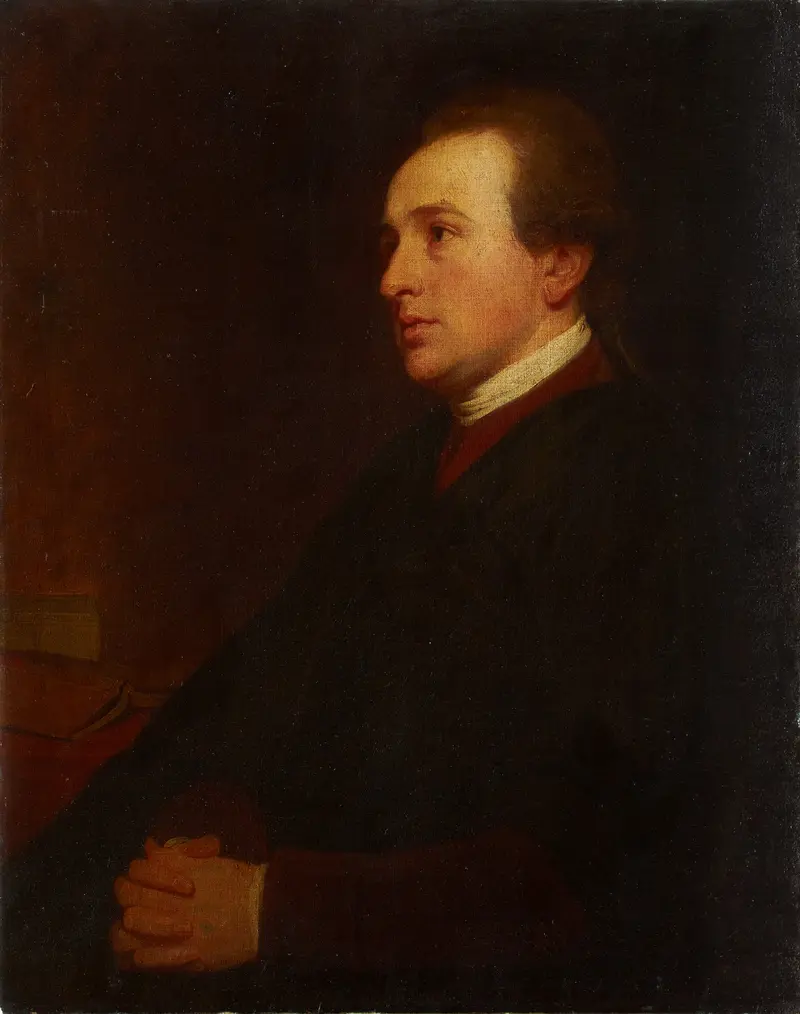
Portrait of a Young Man at his Desk
George Romney
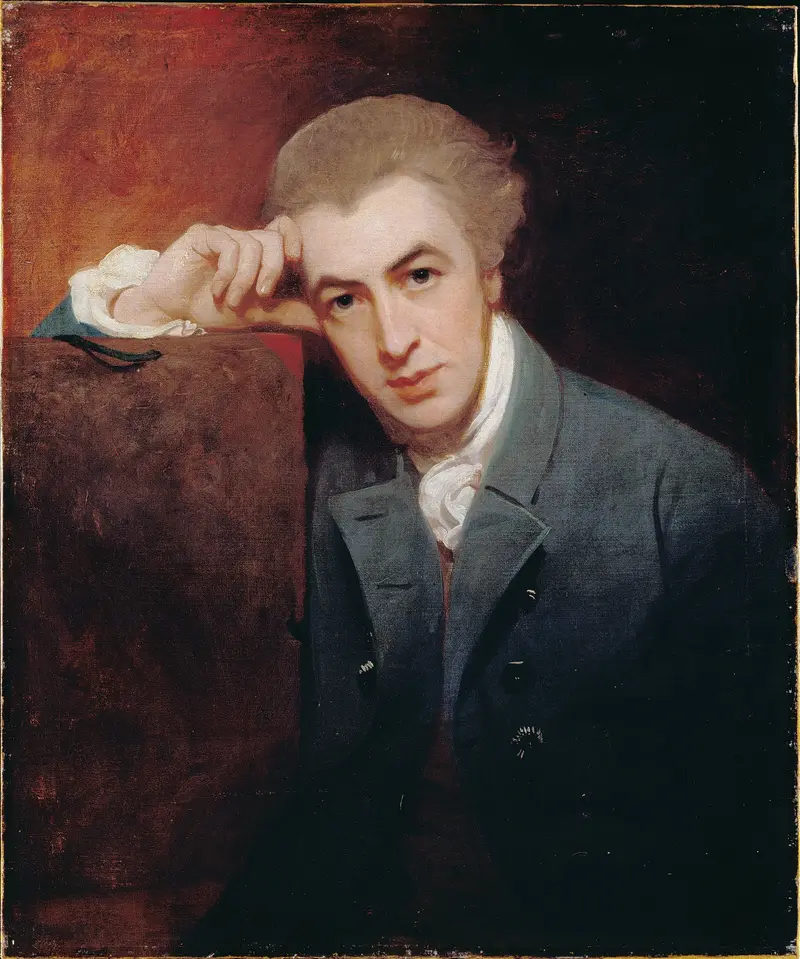
William Hayley
George Romney
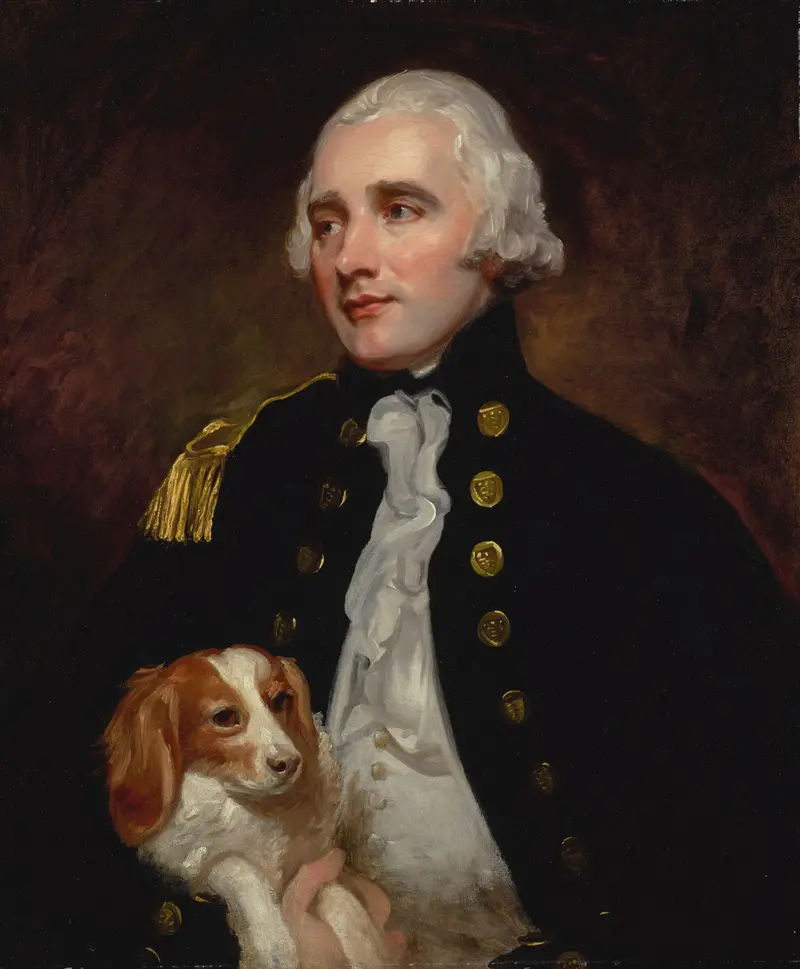
Portrait Of An Officer Of The Corps Of Engineers, Half-Length, Formerly Identified As Sir George Grey
George Romney
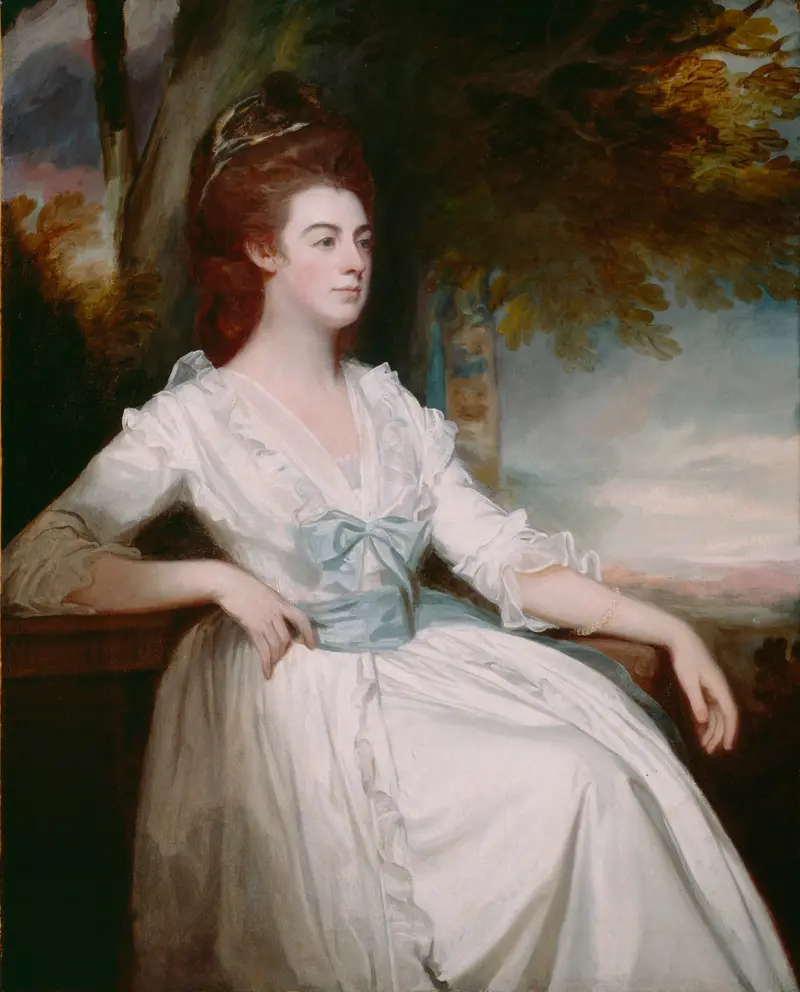
Miss Clavering
George Romney
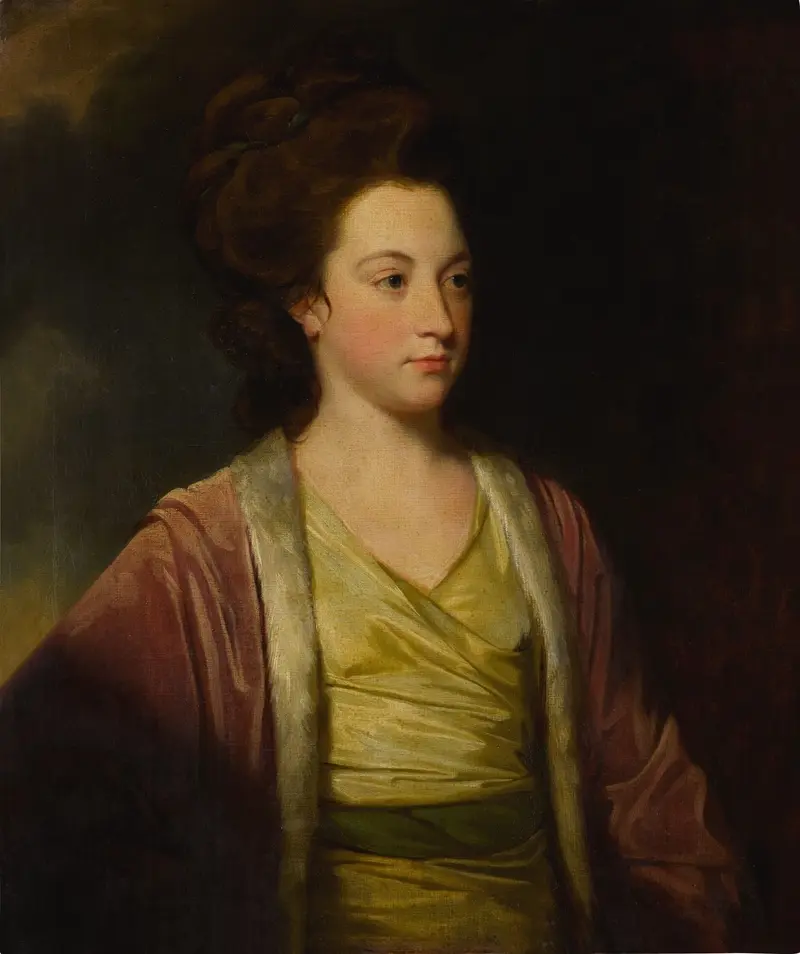
Portrait of Frances Alicia Bennet (b. 1749)
George Romney
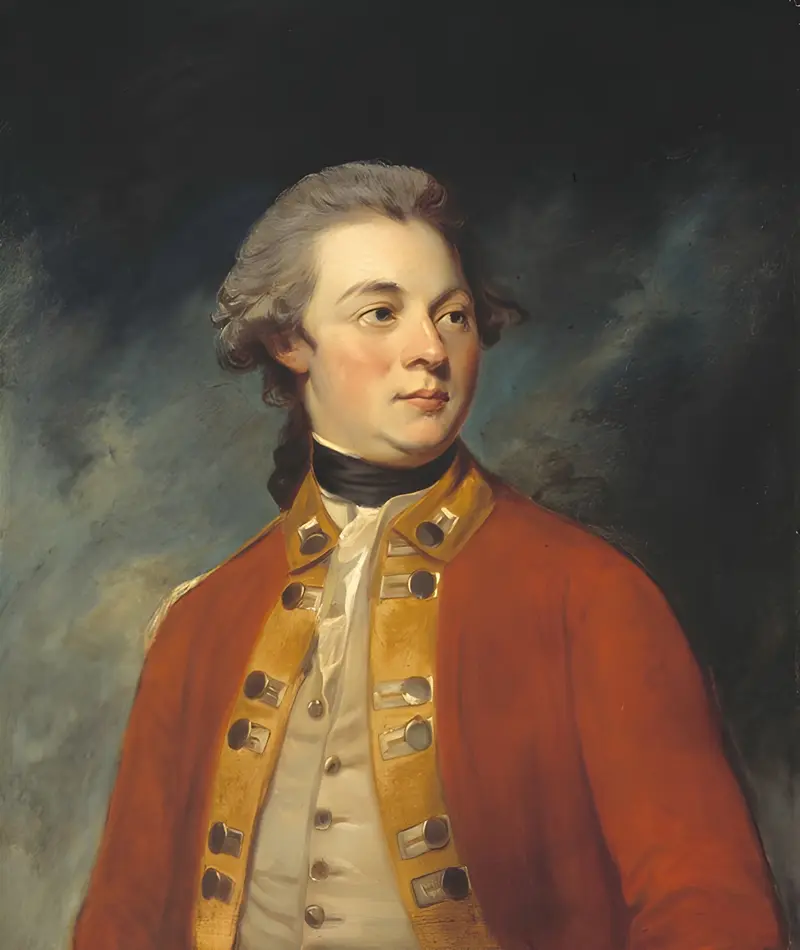
Portrait of Francis North, 4th Earl of Guilford (1761-1817)
George Romney





