Panorama — History & Facts
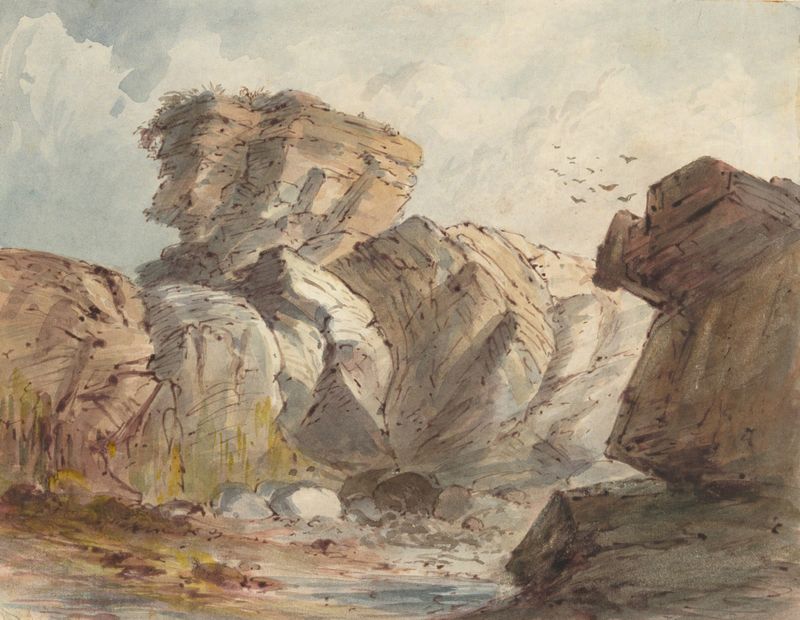
In Panorama, the artist captures a fleeting moment that transcends the boundaries of time, inviting us to reflect on the act of creation itself. Each stroke becomes a reverie, a bridge between the ephemeral and the eternal. Look to the expansive horizon, where the earth meets the sky in a gentle embrace. The vivid blues and greens draw the eye, while the soft brushwork creates a sense of movement, as if the landscape breathes.
Notice how light dances across the canvas, highlighting the textures of the foliage and the undulating hills, suggesting a world alive with possibility and growth. The careful layering of colors evokes depth, allowing viewers to lose themselves in the vista. Beneath the surface lies a dialogue between permanence and transience. The vibrant palette conveys the vitality of nature, yet the panoramic view suggests an expansive journey, hinting at both the beauty and the impermanence of our surroundings.
Each element—be it the sweeping sky or the earthy tones—is in conversation, reflecting the artist’s contemplation on the relationship between creation and the passage of time. In 1884, Seymour painted Panorama during a period of renewal in American art, as artists began to embrace the complexities of the natural landscape. Living in a time marked by industrial growth and societal change, his work emerged as a testament to the enduring power of nature, a call to remember the beauty that surrounds us even as time marches on.