Paris – landscape — History & Facts
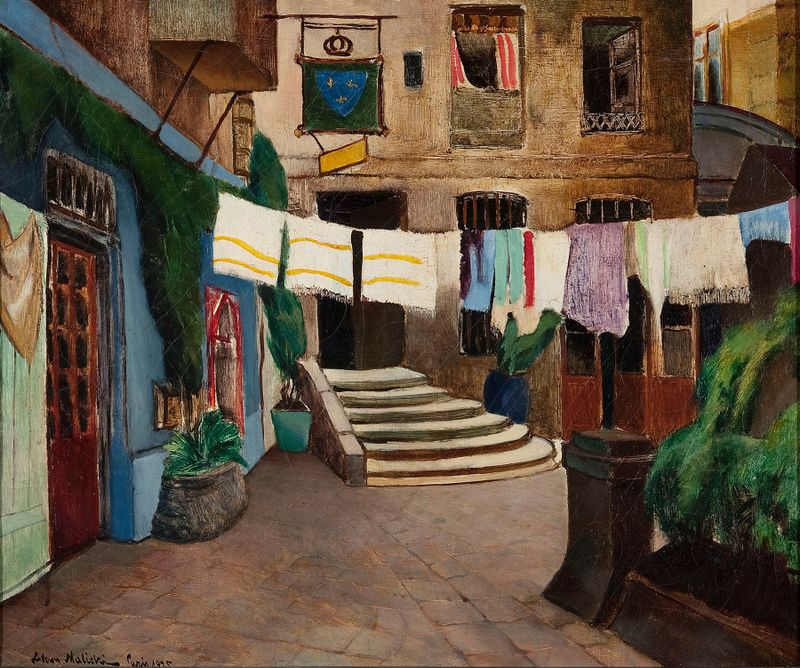
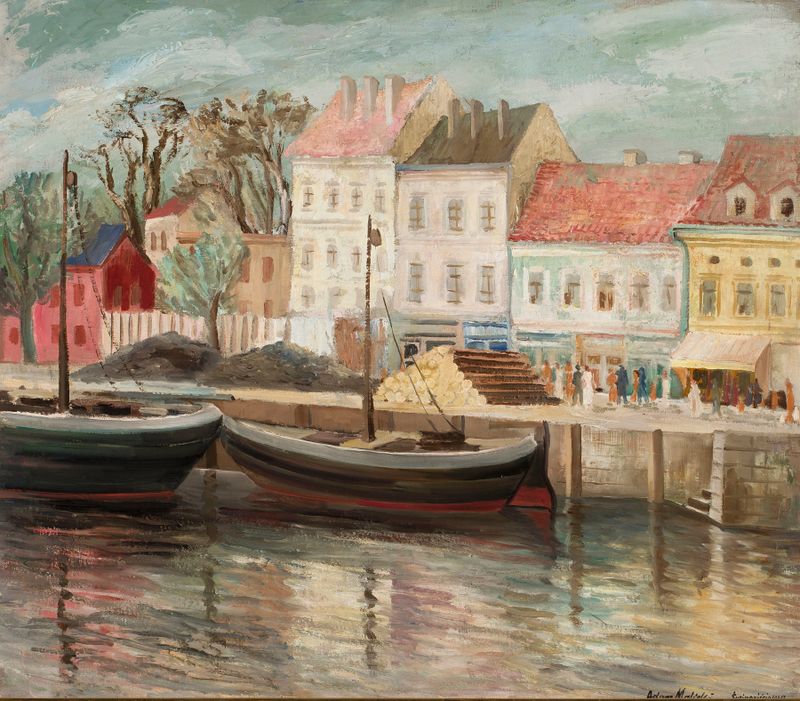
In moments of stillness, innocence emerges, untouched by the complexities of modernity, inviting us to pause and reflect. Look to the vibrant hues in the foreground, where lush greens and soft blues intertwine like whispers of a forgotten spring. The painter's deft brushstrokes create a gentle rhythm, guiding the eye across the landscape, from the sweeping hills to the distant skyline. Notice how light dances on the surface of the water, creating a serene contrast against the bold, earthy tones of the fields, evoking a sense of harmony and tranquility. Beneath this idyllic portrayal lies a tension between the human experience and nature's unspoiled beauty.
The distant buildings, mere outlines on the horizon, symbolize the encroaching modern world, yet in the foreground, the innocence of nature reigns supreme. Every tree, every ripple in the water tells a story of purity, yearning to be preserved amidst the chaos of urban life. The juxtaposition of innocence and industrialization prompts a silent dialogue about what we stand to lose. In 1925, Adam Malicki painted this work as he navigated the shifting tides of post-World War I Europe.
Living in Paris, a city vibrating with creativity yet shadowed by recent turmoil, he sought to capture the simplicity and beauty of the landscape around him. At a time when much of art was grappling with disillusionment, his focus on innocence and natural beauty reflected a longing for peace and connection to the world.