Parti fra Loggia dei Lanzi i Firenze — History & Facts
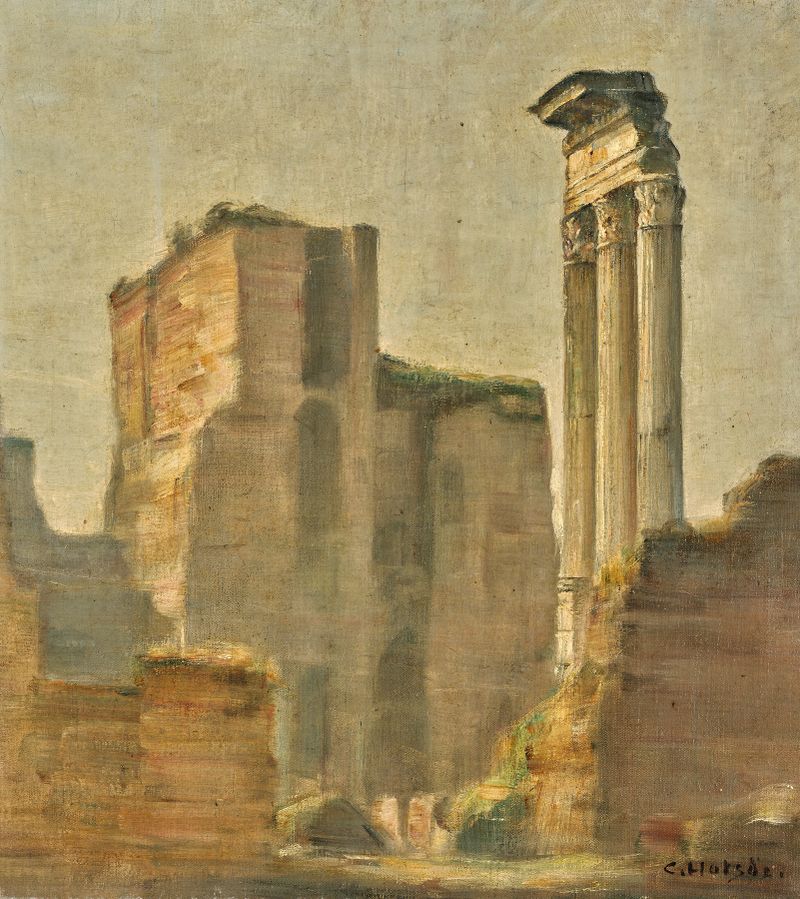
What if beauty was never meant to be finished? In Parti fra Loggia dei Lanzi i Firenze, we witness the delicate interplay between chaos and serenity, captured within a moment frozen in time. Focus on the soft light spilling through the arches, illuminating the scene with a warmth that invites the viewer into its embrace. Look to the left, where figures stand in relaxed yet purposeful conversation, their postures and gestures echoing the elegance of the surrounding architecture. The muted palette of earthy tones contrasts beautifully with the intricacies of the loggia, enhancing the sense of peaceful coexistence amidst the structured chaos of life outside. Yet, beneath the surface of this tranquil tableau lies a deeper emotional tension.
The figures appear both connected and isolated, suggesting the fleeting nature of human interaction. The delicate balance of light and shadow hints at the unpredictability of life, where moments of calm can quickly turn to disorder. This contradiction unravels the viewer’s expectations, revealing the underlying chaos that breathes life into beauty. Carl Holsøe painted this work during a period marked by a growing interest in realism and everyday life, which began to flourish in the late 19th century.
Living in Denmark, he explored the nuances of interiors and urban settings, reflecting a time when artists were increasingly turning away from traditional forms to capture the essence of modernity. Holsøe's exploration of light, space, and human presence in Parti fra Loggia dei Lanzi i Firenze resonates with this movement, inviting contemplation on the beauty that exists amid disorder.