Passy et Chaillot vus de Grenelle — History & Facts
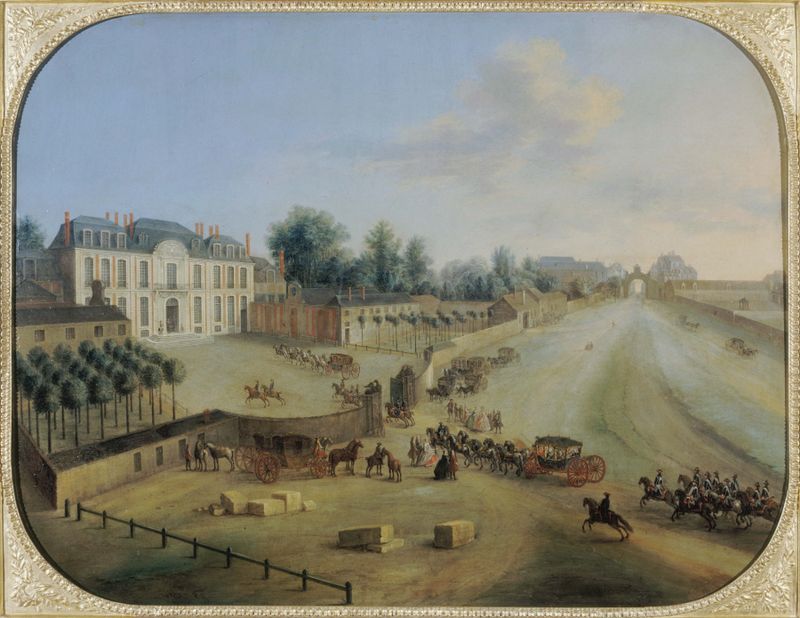
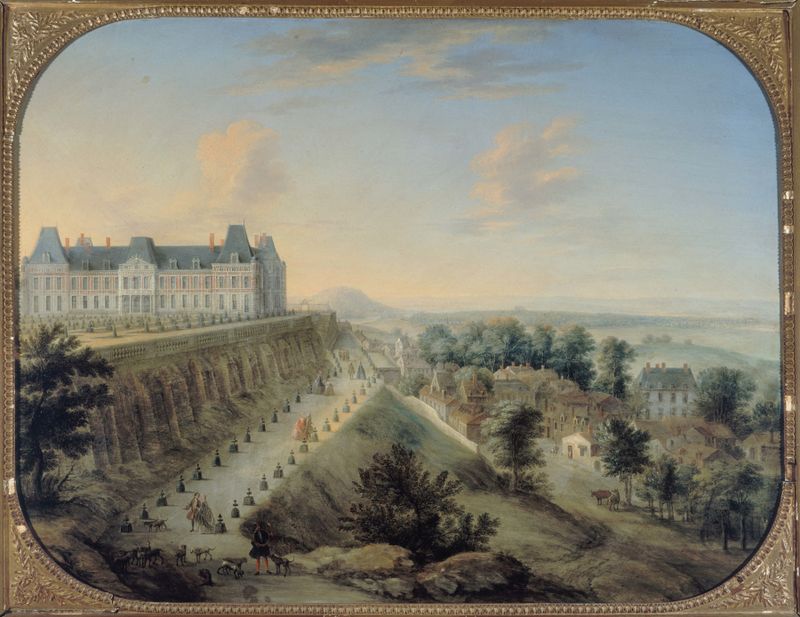
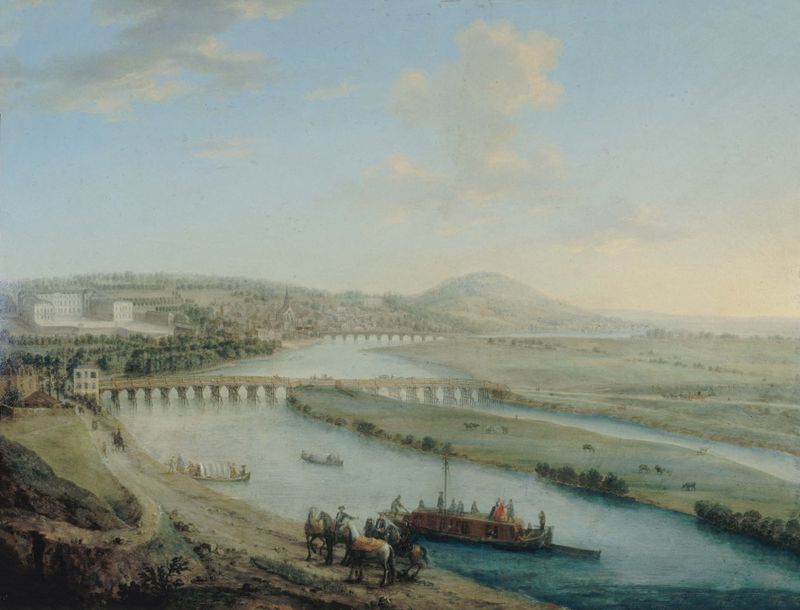
What if beauty was never meant to be finished? The splendor of an unfolding landscape invites us to linger in its depths, eternally curious and contemplative. Focus on the sweeping horizon of Passy et Chaillot vus de Grenelle, where the soft pastels of dawn intertwine with the gentle contours of the Parisian skyline. Look to the left, where the delicate strokes create a sense of movement in the lush trees, their green leaves catching the early light. Notice the serene flow of the Seine, mirroring the sky, while subtle architectural details arise from the soft mist, inviting your gaze into the quiet life unfolding below. Hidden within the tranquil beauty are layers of tension—a juxtaposition of nature and civilization.
The lush greenery symbolizes growth and resilience, while the emerging buildings signal the encroaching modernity of the city, hinting at a transitional moment in history. The warm light bathing the scene suggests both hope and the ephemeral nature of this balance, capturing a fleeting moment in time that invites reflection on what we cherish and what we inevitably lose. Charles-Léopold Grevenbroeck painted this view in 1743, during a period marked by Baroque influences transitioning into the Enlightenment. Living in Paris at a time when the city was undergoing significant changes, he encapsulated the essence of a burgeoning urban landscape, creating a bridge between the romanticized past and the promise of modernity that loomed ahead.