L’Ile Seguin, le pont de Sèvres et Saint-Cloud — History & Facts
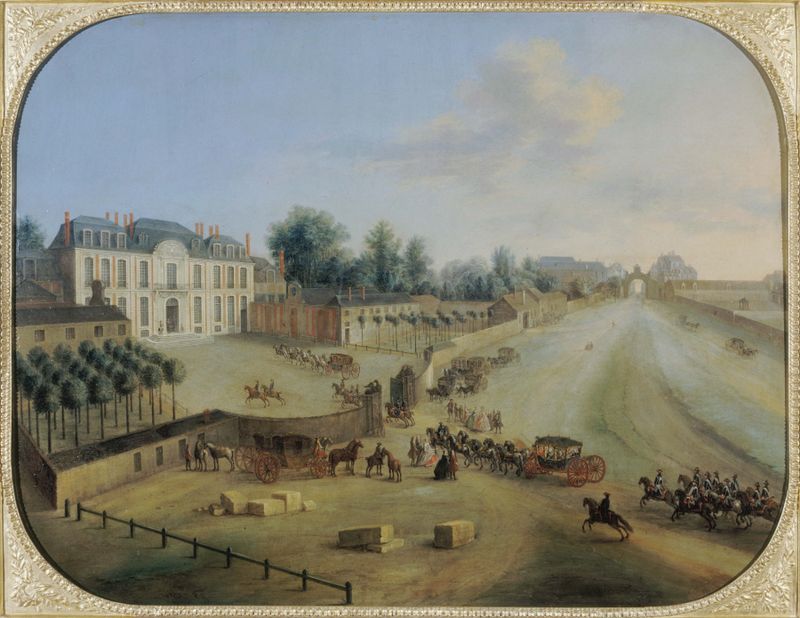
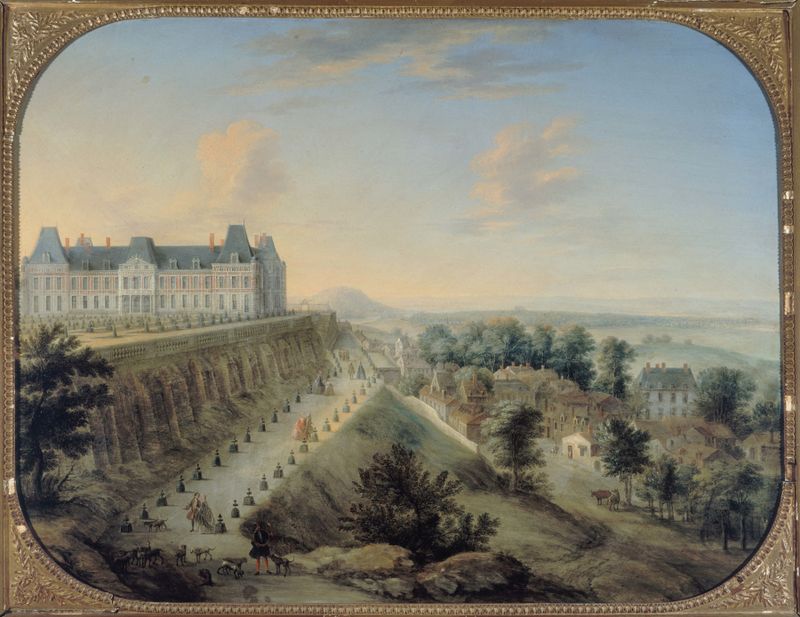
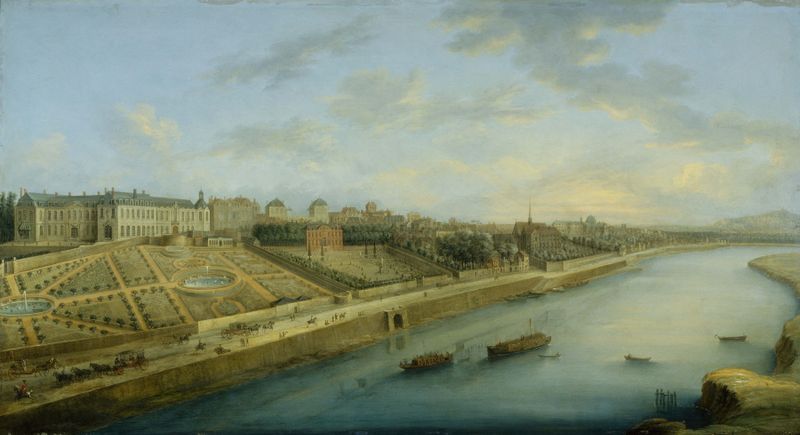
Could beauty survive in a century of chaos? This question reverberates through the still waters and verdant landscapes captured in this tranquil scene, evoking a longing for peace amidst tumultuous times. Look to the left at the delicate strokes that outline the lush greenery of the banks, leading your gaze toward the graceful bridge that arcs elegantly over the river. Notice how the soft palette of greens and blues harmonizes with hints of warm sunlight, creating a soothing atmosphere. The painter's meticulous attention to the interplay of light and shadow breathes life into the foliage, while the reflective quality of the water amplifies the serene beauty of the landscape, inviting viewers to linger in this idyllic moment. Delve deeper into the painting, and you’ll uncover layers of emotional yearning interwoven within its composition.
The bridge serves as a powerful metaphor, a crossing between the chaos of life and the solace found in nature. In the backdrop, the distant haze suggests the encroachment of modernity, hinting at the vibrant yet turbulent changes that the 18th century would soon bring. The juxtaposition of serene beauty against a potentially chaotic future underscores a profound longing for stability and harmony. During 1738, Grevenbroeck painted this landscape amid a France on the cusp of transformation.
The world of art was moving towards the Rococo style, yet Grevenbroeck's work retains an appreciation for natural beauty and simplicity, reflecting both personal and societal yearnings in a time of political and social unrest. His brush captured not just a scene but the essence of a fleeting moment that resonated with a deeper human experience.