Pastoral Landscape — History & Facts
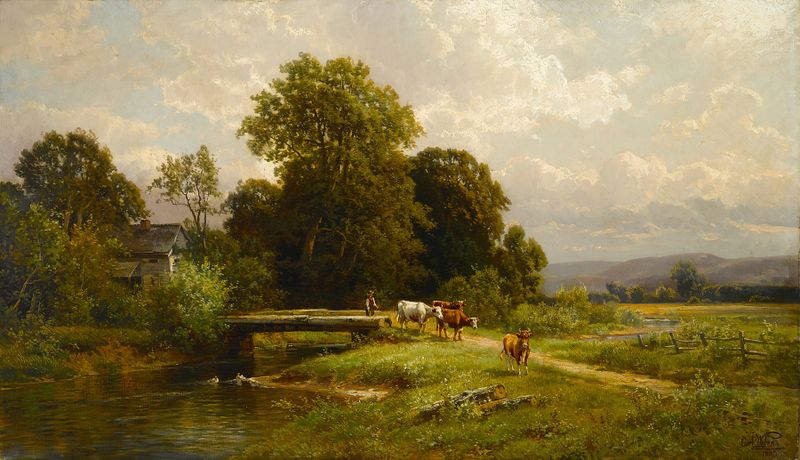
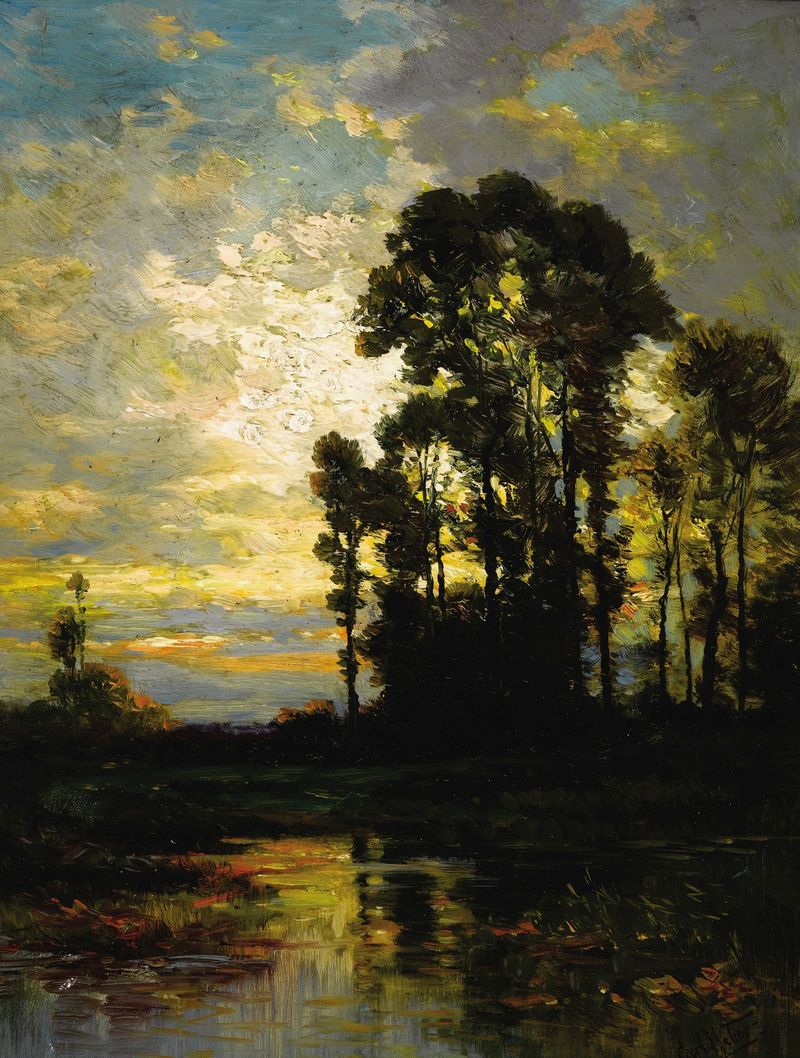
What if beauty was never meant to be finished? In the gentle embrace of the natural world, shadows dance across the terrain, hinting at secrets yet to be uncovered. Focus your gaze on the undulating hills that stretch across the canvas, where layers of soft greens and muted browns create a harmonious backdrop. Notice how the sunlight filters through the trees, casting intricate patterns on the ground, each stroke of the brush weaving a tapestry of light and shadow. The subtle interplay between the illuminated and the darkened areas invites a contemplation of the passage of time, as if the landscape itself breathes and shifts with the seasons. Amidst the serene beauty lies an underlying tension.
The shadows lengthen, hinting at the transient nature of life, while the vibrant hues of the flora evoke a sense of vitality. This juxtaposition reflects the coexistence of joy and melancholy, embodying the complexity of rural existence. The viewer is left to ponder the fleeting moments captured in the depths of the scene, where every shadow tells a story, and every glimmer of light beckons for exploration. Carl Weber created this piece during a period often characterized by an appreciation for the pastoral, echoing the sentiments of Romanticism in 19th-century art.
Working amidst a growing fascination with landscape painting, he sought to convey not just the physical beauty of the world but its emotional resonance. Though the exact date remains unknown, the work encapsulates a moment in an artist's life that straddled the line between observation and reverie, reflecting a world in constant flux.