Pastoral landscape — History & Facts
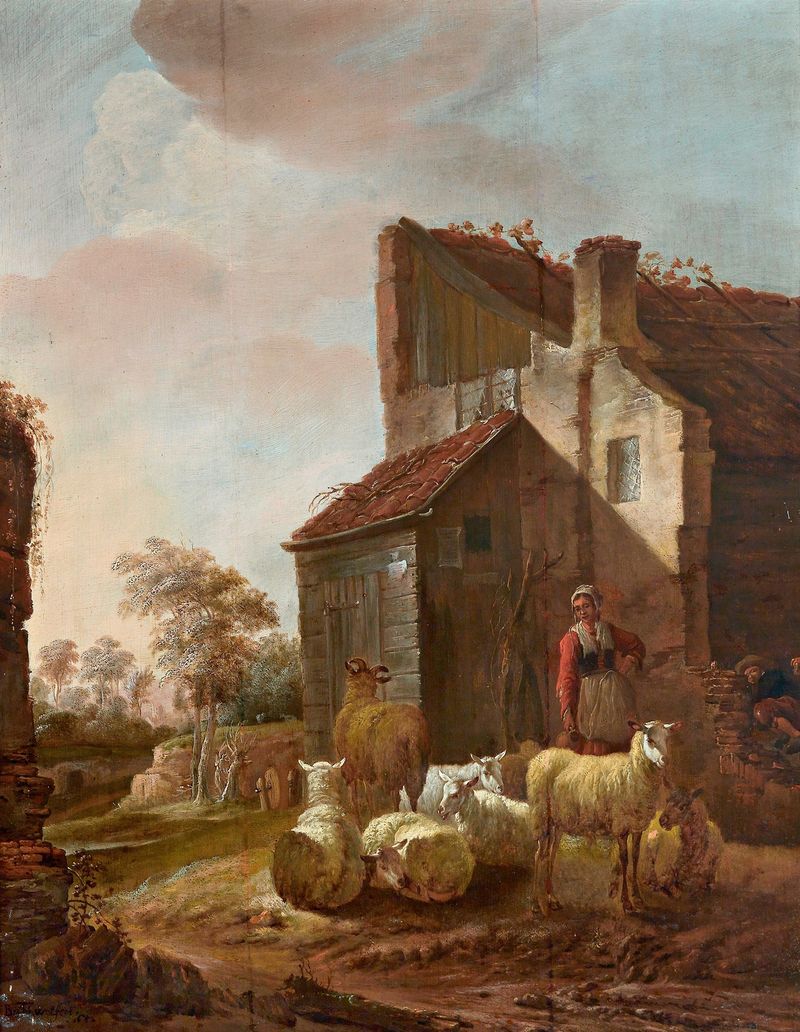
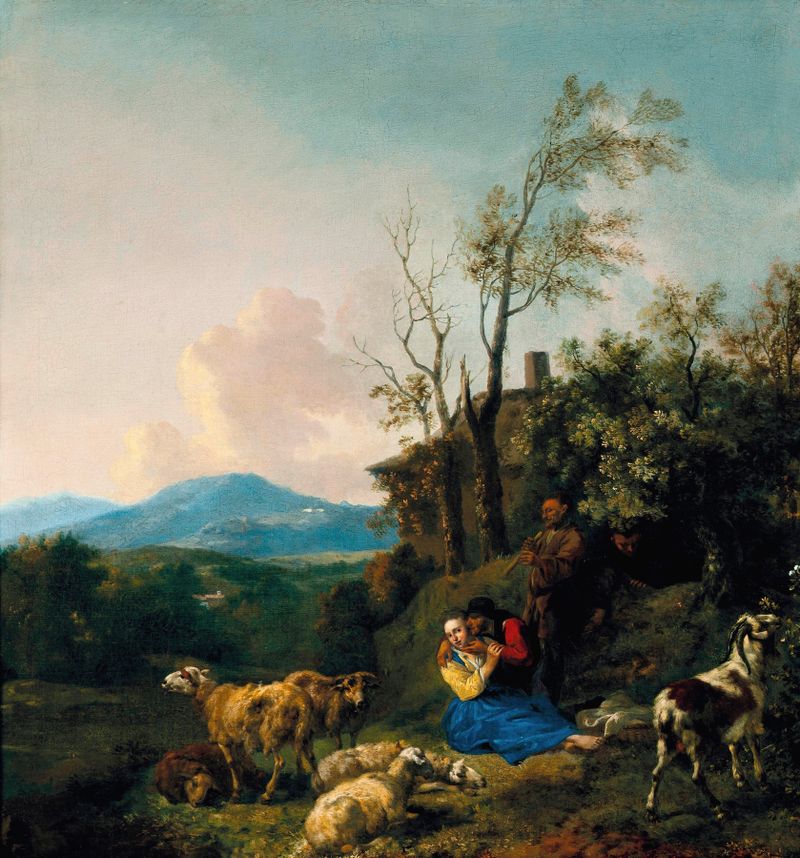
When did color learn to lie? In the lush depths of pastoral landscapes, the hues whisper both joy and sorrow, inviting us to linger yet reminding us of what is fleeting. Focus on the foreground, where a gentle stream meanders through verdant hills, its surface glimmering like a fleeting smile. The light dances across the greenery, illuminating patches of wildflowers that seem to sigh beneath the weight of their own beauty. Notice how the painter’s soft brushstrokes create a harmonious blend of earth tones, evoking a sense of serenity tinged with an underlying melancholy.
Each blade of grass and fluttering leaf contributes to a tableau that feels both idyllic and hauntingly transient. Delve into the contrasts woven throughout the composition: the vibrant greens of life juxtaposed with the looming shadows that hint at impending change. The delicate balance between light and dark speaks to the bittersweet nature of existence—beauty and despair intertwined. Look closely, and you will find subtle hints of decay; a wilting flower, perhaps, or an abandoned path leading to nowhere, echoing the fleeting nature of pastoral peace. Jan Baptist Wolfaerts painted this work during an era where the pastoral genre reflected both idyllic beauty and an underlying awareness of life's fragility.
Living in the late 16th to early 17th centuries, he was part of a cultural movement that celebrated the landscape, yet recognized the complexities of human emotions. The artwork embodies the duality of joy and melancholy, capturing a moment suspended in time while reflecting the artist's own sensitivity to the world around him.