
Pastoral landscape — History & Facts
What if beauty was never meant to be finished? In Pastoral Landscape, the infinite horizon invites contemplation, suggesting that perfection is an evolving concept rather than a static achievement. Look to the left at the gentle curves of the rolling hills, awash in shades of green that shift from deep emerald to soft sage. The sky above is a tapestry of soft blues and whites, where delicate clouds float like whispers. The composition balances the serene foreground—a tranquil river cradling reflections of the lushness—against the distant mountains that loom, enigmatic and unyielding.
The artist’s deft brushwork captures the texture of foliage, creating a scene that pulses with life and stillness in equal measures. Beneath the idyllic surface, a tension simmers, like the distant thunder of an approaching storm. This landscape hints at the impending changes of nature and society, a metaphor for revolution that bubbles just beneath the surface of pastoral tranquility. The interplay of light and shadow not only highlights the beauty of the land but also suggests the fleeting nature of peace and the inevitability of transformation. At the time Pastoral Landscape was created, Lucas van Uden was immersed in the artistic milieu of 17th-century Flanders, a period marked by both artistic innovation and social upheaval.
The era was one of transition, as the Baroque style emerged, challenging the earlier Mannerist tendencies. Uden, navigating through a world of vibrant landscapes and evolving ideologies, reflected this duality in his work, capturing the tension between beauty and the revolution that lay ahead.
More Artworks by Lucas van Uden
Browse all →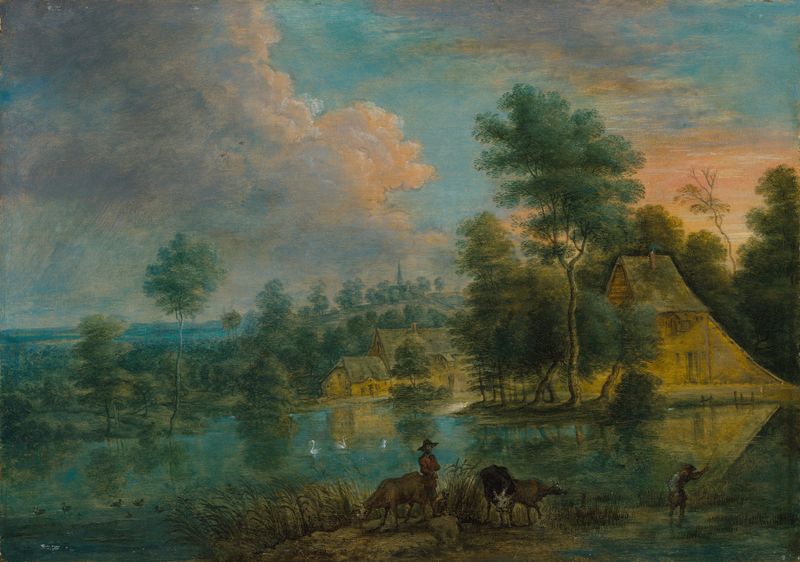
A river landscape with travellers
Lucas van Uden
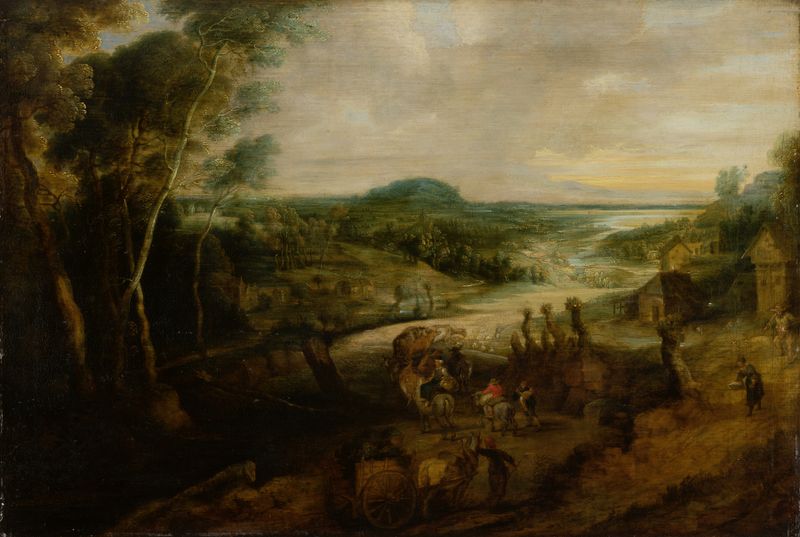
River Landscape with Peasants on the Way to Market
Lucas van Uden
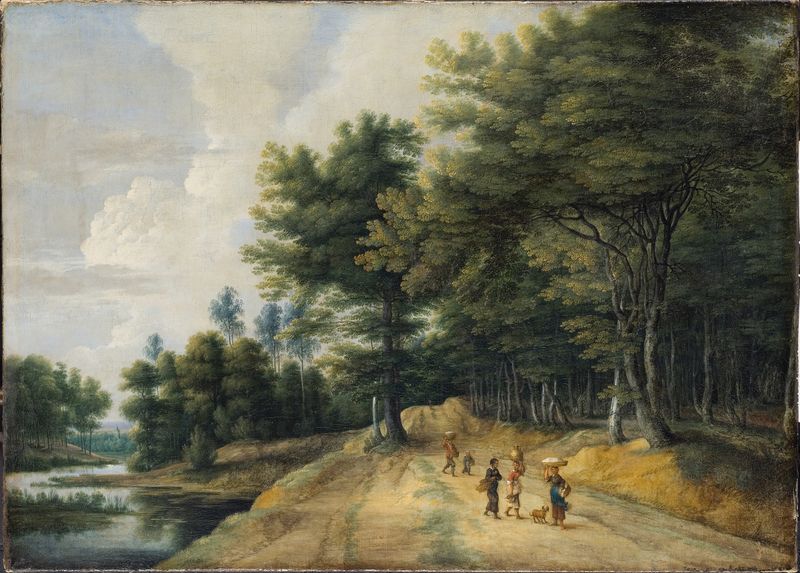
Landscape with a Road through a Wood of Beeches
Lucas van Uden
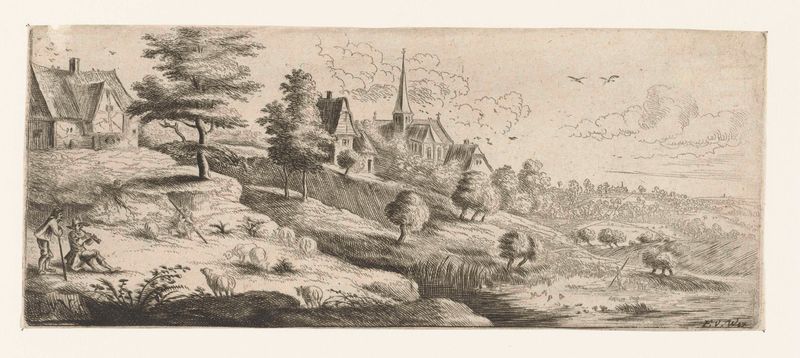
Landschap met een dorp en een schalmei spelende man
Lucas van Uden
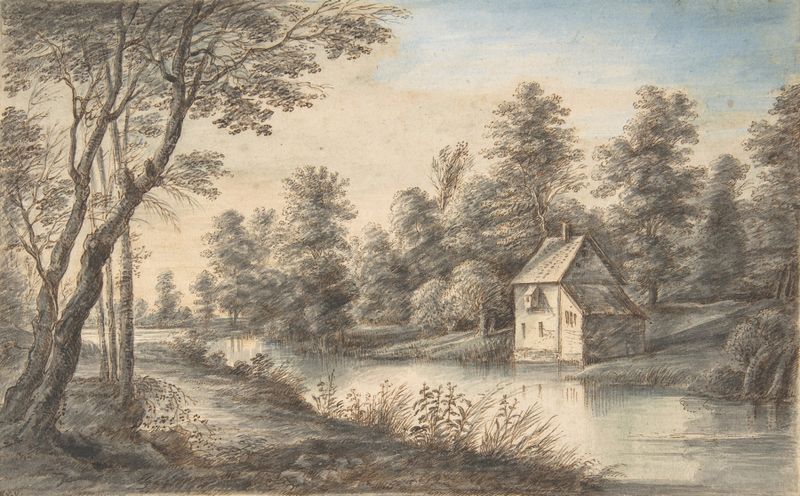
Wooded Landscape with a House beside a River
Lucas van Uden
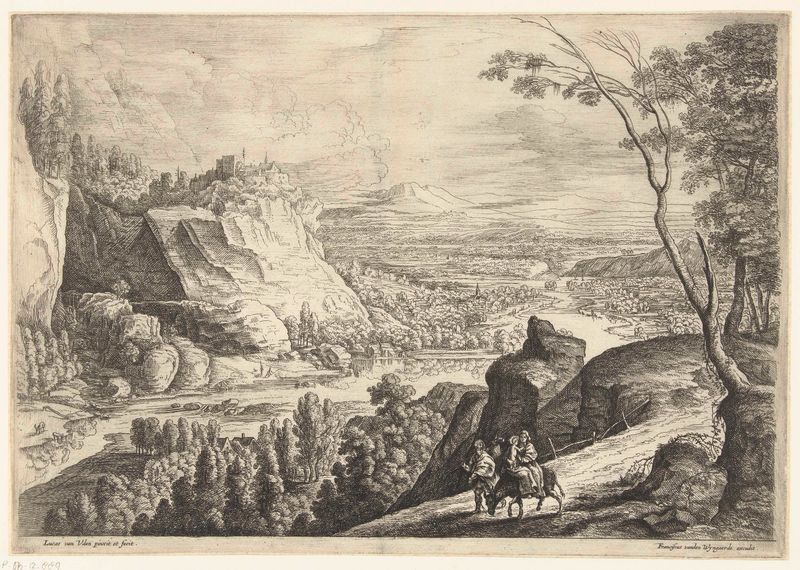
Landschap met de vlucht naar Egypte
Lucas van Uden
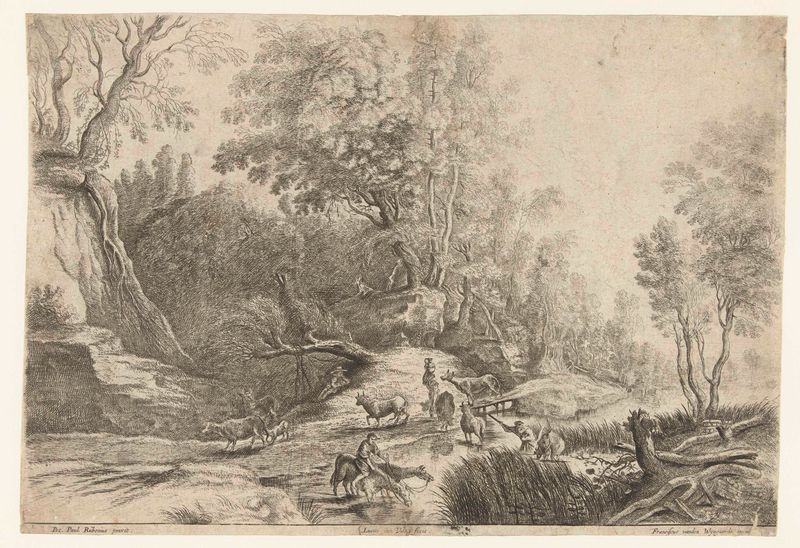
Paarden en koeien bij een drinkplaats
Lucas van Uden
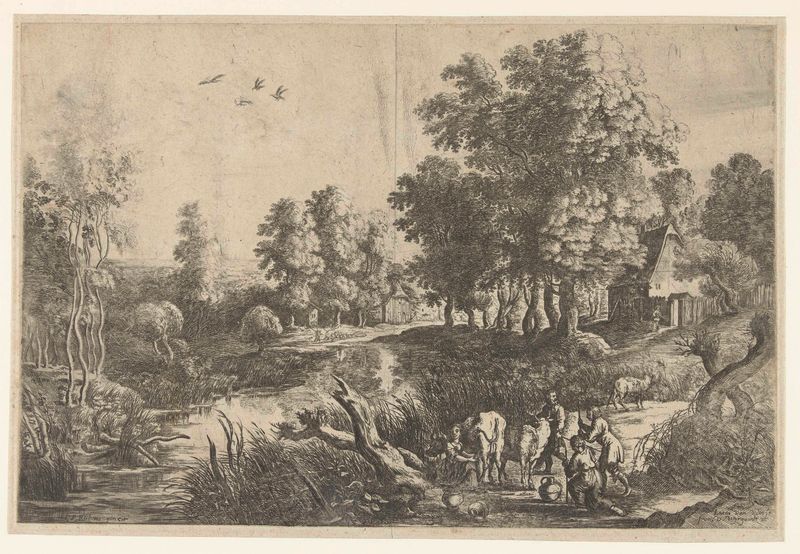
Boeren met vee bij een beek
Lucas van Uden
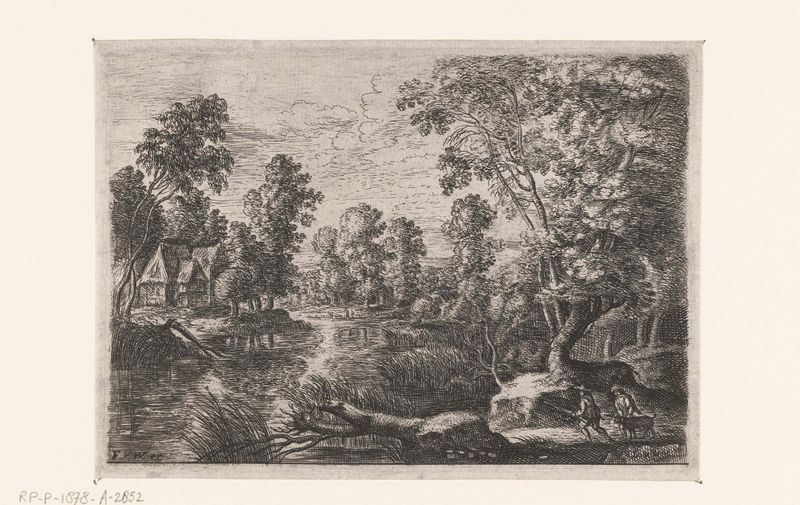
Landschap met een beek en een jager
Lucas van Uden
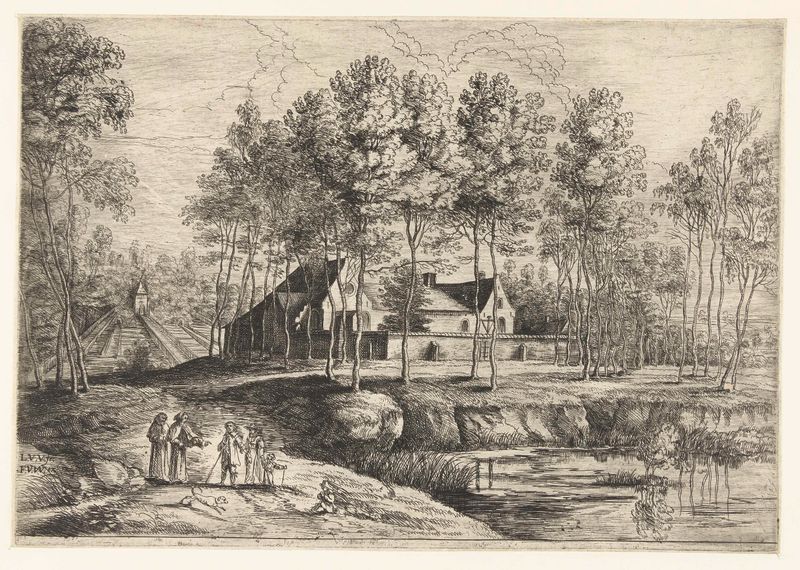
Gezicht op het kapucijnenklooster te Tervuren
Lucas van Uden





