Pasture in the Bronx, New York — History & Facts
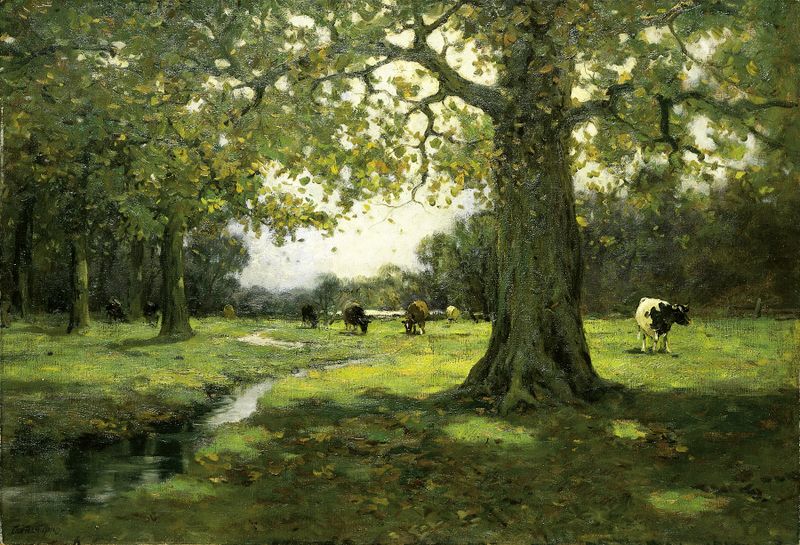
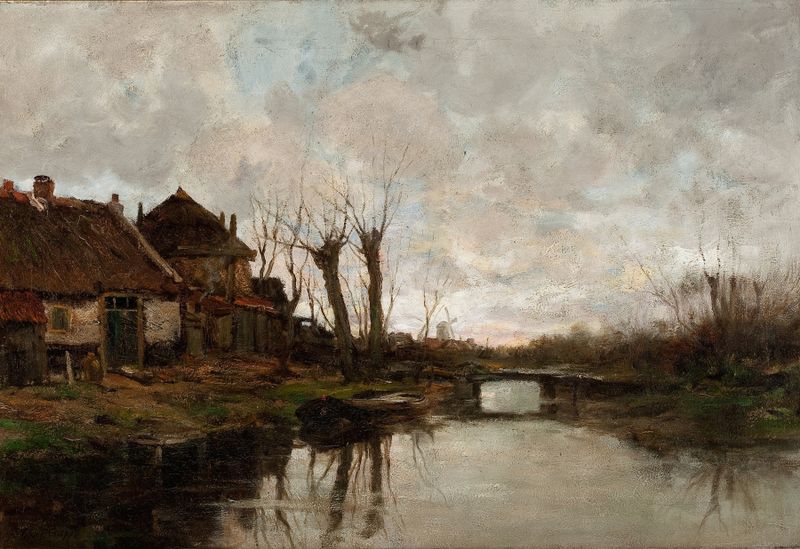
Where does light end, and longing begin? In Pasture in the Bronx, the subtle interplay of nature and urbanity invites contemplation of our unyielding desire for connection with the earth. Look to the left at the gentle swell of verdant grass, where the sunlight bathes each blade in a warm, golden glow. Notice how the artist deftly captures the harmony between the lush pasture and the distant, looming buildings—an urban backdrop that looms like an uninvited guest. The strokes are fluid and expressive, contrasting the organic textures of nature with the more rigid lines of urban life, drawing the eye into a serene yet complex dialogue. Tensions arise in the dichotomy between tranquility and encroachment.
The soft, inviting colors of the field evoke a sense of peace, yet the buildings remind us of an inevitable march towards modernity. The juxtaposition serves as a poignant reflection on the loss of rural spaces and the yearning for simpler times. The wildflowers, scattered like fleeting moments of joy, capture an ephemeral beauty that compels the viewer to consider what is being sacrificed in the name of progress. In 1918, while creating this piece, the artist found himself amidst a rapidly changing American landscape, reflected in his art.
Painting from the Bronx, he navigated a tumultuous post-war period characterized by urban expansion and a shift in artistic expression. This work embodies not only his personal exploration but also a broader commentary on the transformative forces shaping society and the natural world.