Path in the Country — History & Facts
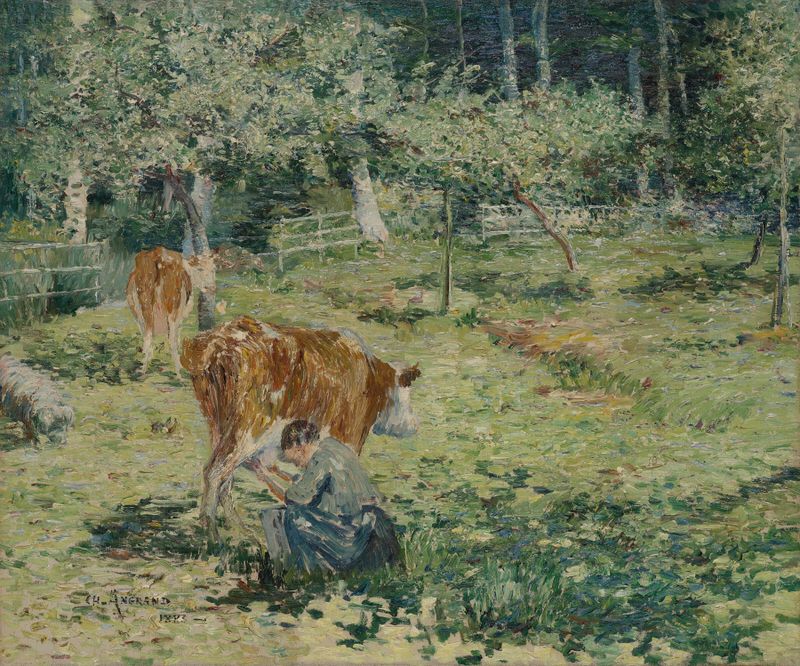
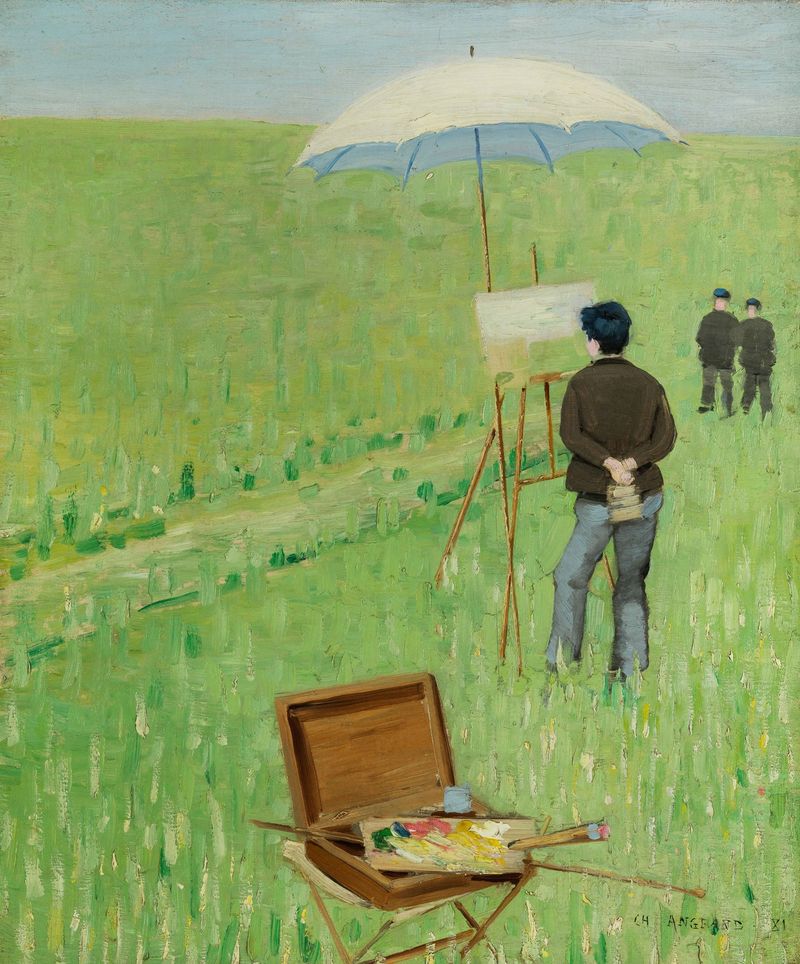
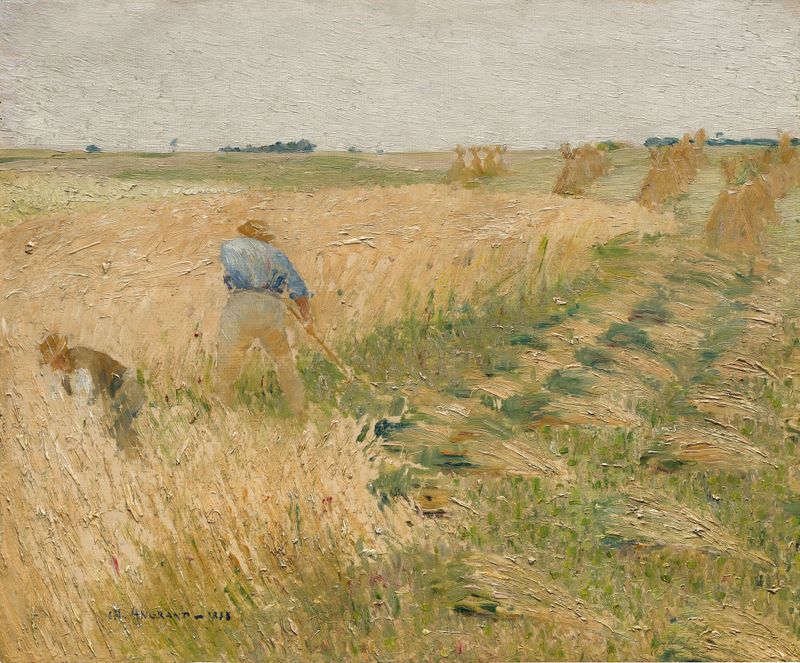
When did color learn to lie? The hues in this work whisper secrets of the past, evoking memories that linger just out of reach, like an echo of laughter fading in the distance. There’s a delicate dance between reality and illusion, a reminder that what we see may not always reflect the truth of our experiences. Focus your gaze on the winding path that weaves through the countryside, leading the eye to the horizon. Notice how the earthy browns and vibrant greens intermingle, their brush strokes layered with both spontaneity and intention.
The light spills across the canvas, catching on the vibrant foliage while casting gentle shadows that invite contemplation. The deliberate use of pointillism, with dots of color meticulously placed, draws you into an enchanting, textured world that feels alive. Amidst the serenity of the landscape, subtle contrasts emerge. The vibrancy of nature speaks to exuberance, yet the path itself suggests a journey — one that traverses both physical and emotional terrain.
As you explore the details, the juxtaposition of the vivid foreground against the muted background hints at the tension between memory and present reality, prompting reflection on the ways we navigate our own histories. Charles Angrand painted this piece in 1886 during a period marked by significant developments in the world of art, particularly the rise of Impressionism and Neo-Impressionism. Living in France, he was influenced by the vibrant community of artists around him, including Seurat and Signac, as they explored new techniques. This work stands as a testament to his search for a new language in color and form, capturing the essence of a moment in time while inviting viewers to delve into their own personal recollections of nature.