Pauwentuin aan de Amstel — History & Facts
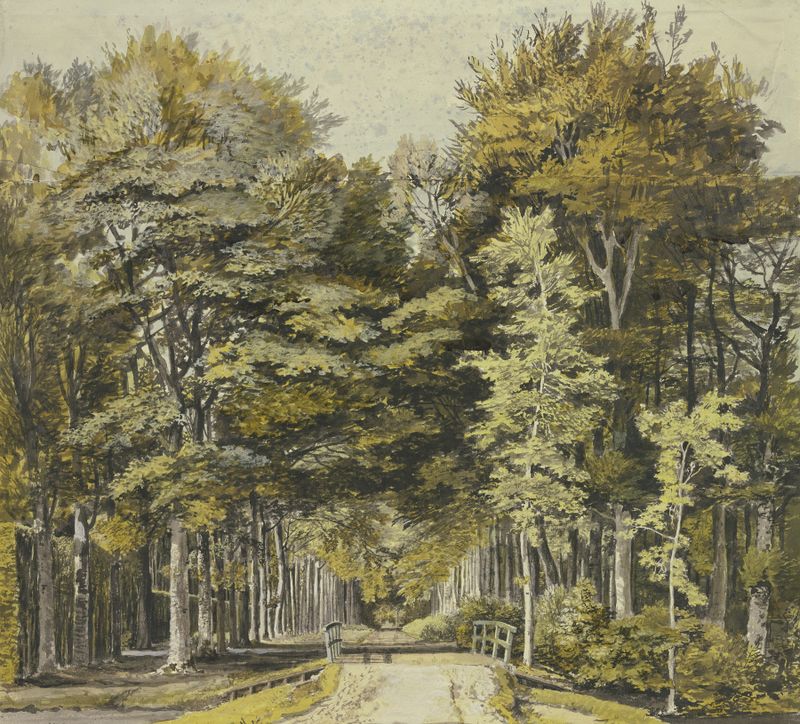
What if silence could speak through light? In Pauwentuin aan de Amstel, a quiet garden whispers stories of solitude, inviting viewers to contemplate the spaces between moments. Look to the left at the gracefully arching trees, their branches reaching outward like arms yearning for connection. Notice how the soft, muted greens blend with the warm hues of the earth, creating a harmonious yet melancholic palette. The gentle ripples of the Amstel, catching the light, reflect a delicate balance of tranquility and isolation, drawing the eye toward the serene waters that cradle the scene. Beneath the tranquil surface lies a profound sense of loneliness.
The solitary figure, almost swallowed by the verdant surroundings, embodies the longing for companionship amidst nature's beauty. The interplay of light and shadow reveals emotional tensions—where bright spots suggest hope, darker areas evoke a profound solitude, amplifying the garden's stillness. Each leaf, each ripple, becomes a vessel for unspoken thoughts, inviting the viewer to ponder the nature of solitude. Martinus van der Jagt created this landscape between 1757 and 1805, a period when Dutch art was moving toward Romanticism.
Living in a time where the world was on the cusp of modernity, he encapsulated a serene yet introspective moment, exploring themes of nature and isolation as society grappled with change. His work reflects not only personal introspection but also a broader cultural shift, capturing the essence of solitude in an evolving world.