
Paysage au moulin — History & Facts
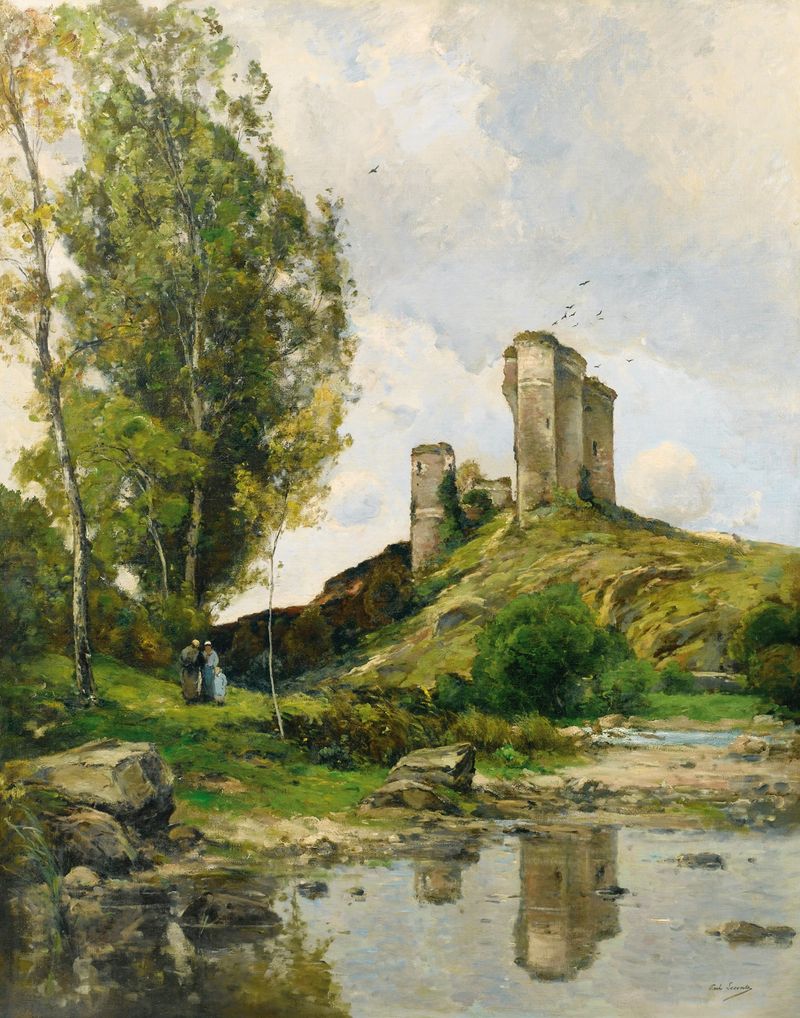
Can paint confess what words never could? In Paysage au moulin, the stillness of the landscape whispers a melancholy that lingers like the fading light of dusk, inviting viewers to unearth their own emotions. Look to the left at the softly turning windmill, its blades caught in a moment of quiet reverie against the horizon. The muted greens and grays of the foliage contrast sharply with the warm earth tones, creating a delicate balance that pulls the eye across the canvas. Notice how the light drapes itself over the scene, casting gentle shadows that enhance the sense of solitude and reflection.
Every brushstroke seems to pulse with a sense of yearning, as if the landscape itself breathes in the quietude of the moment. As you delve deeper, consider the interplay between the natural elements and the presence of the windmill, a symbol of human intervention in an otherwise untouched terrain. The stillness of the water reflects not only the scene above but also the somber emotions that the artist captures. The contrast between man-made and organic evokes a sense of nostalgia, provoking questions about the passage of time and the weight of memories held within the landscape. Paul Lecomte painted Paysage au moulin during a period characterized by a growing interest in Impressionism, yet his work carries a distinct emotional weight that diverges from his contemporaries.
Active in the late 19th century, Lecomte found himself amidst an artistic revolution where personal expression took precedence over realism. This painting, created in an era of introspection and change, reflects both his personal exploration and the broader cultural shift toward capturing the essence of fleeting moments.
More Artworks by Paul Lecomte
Browse all →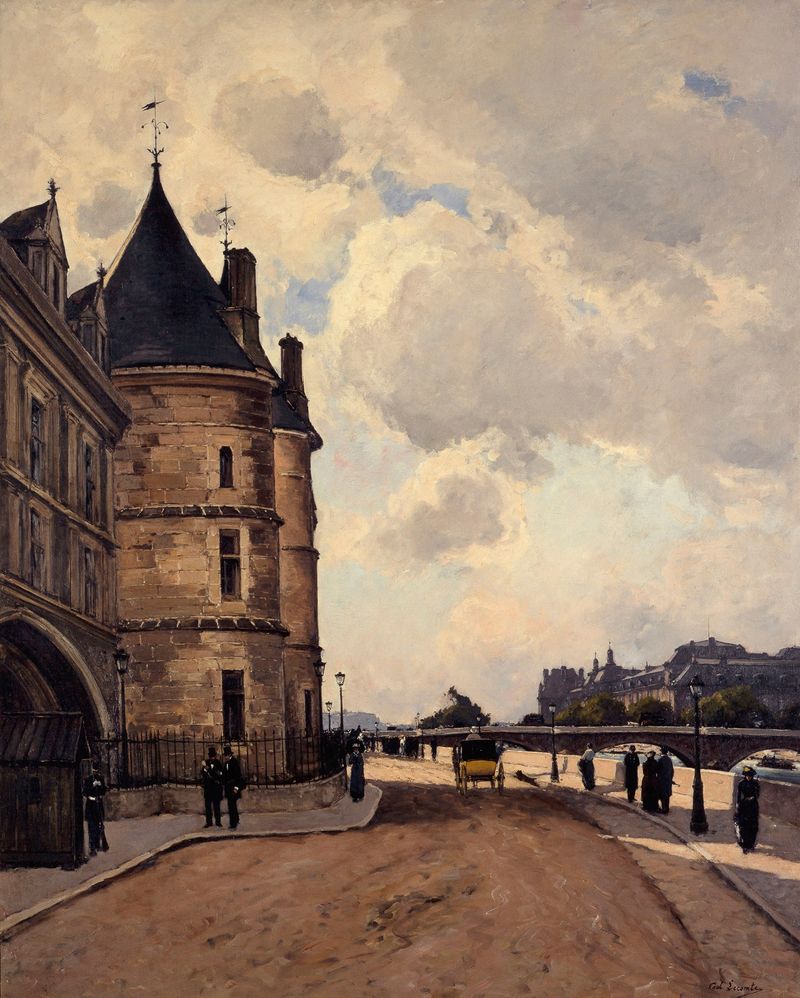
Le quai de l’Horloge
Paul Lecomte
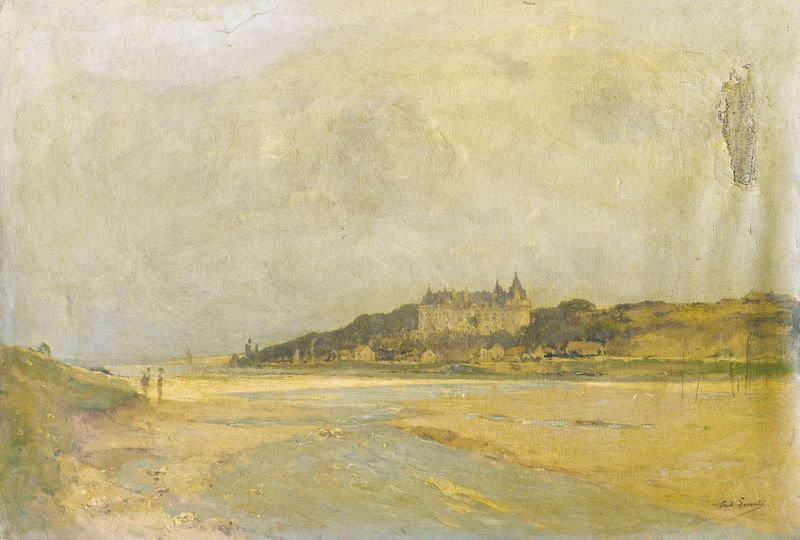
Château dans l’embouchure d’un fleuve
Paul Lecomte
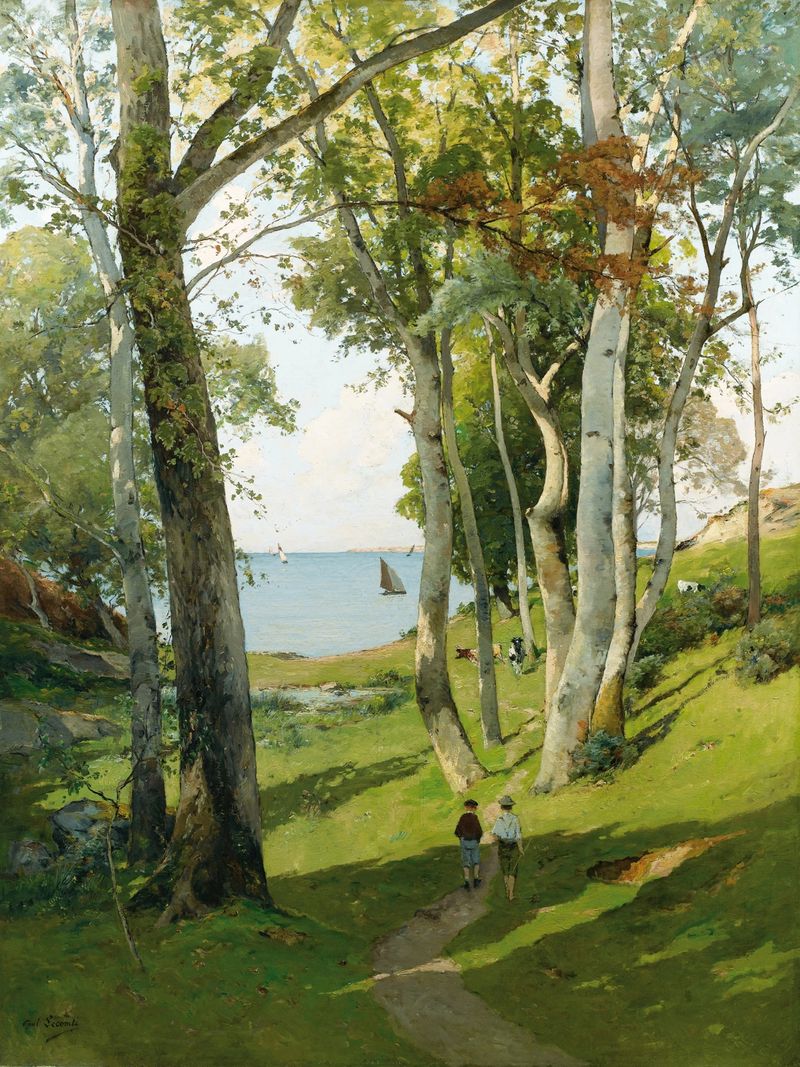
Deux garçons sur un chemin, marchant vers la mer
Paul Lecomte
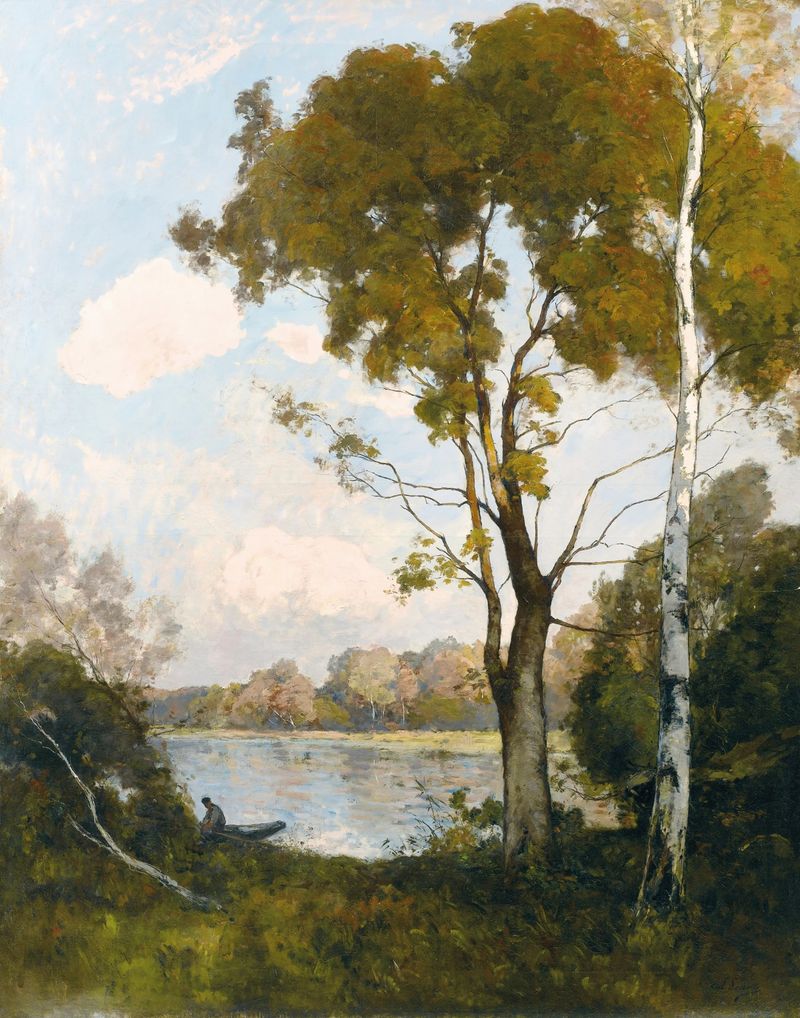
Barque au soleil couchant, deux grands arbres à droite
Paul Lecomte
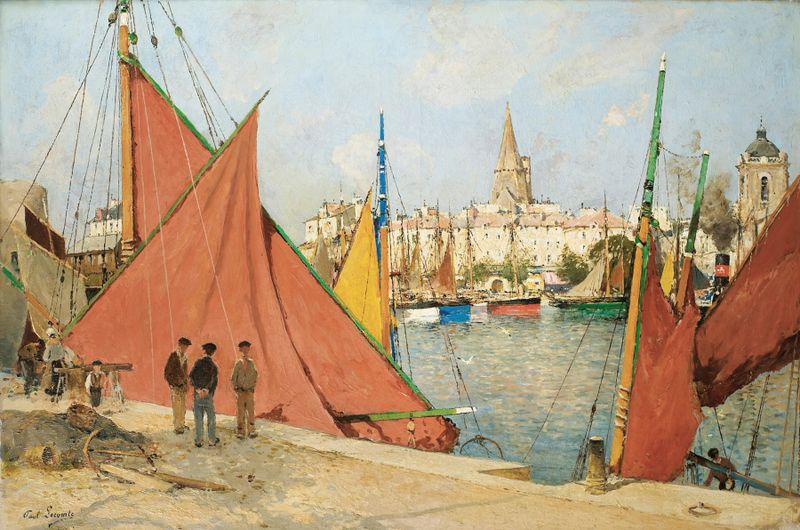
Le port de La Rochelle
Paul Lecomte
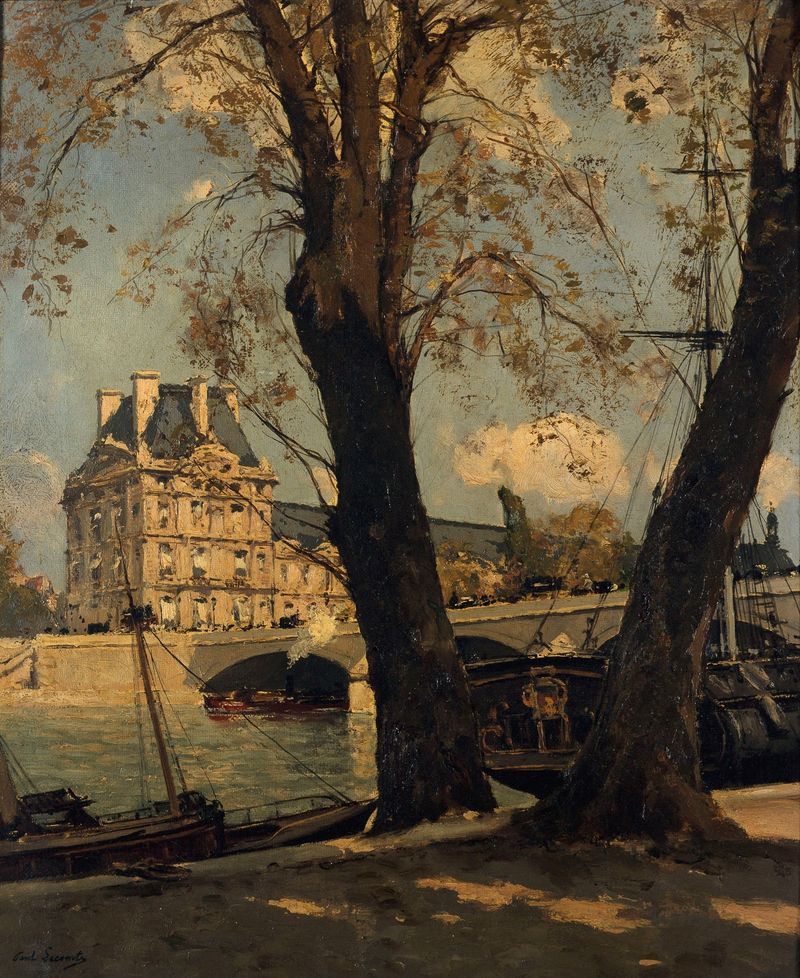
La Frégate du pont Royal
Paul Lecomte
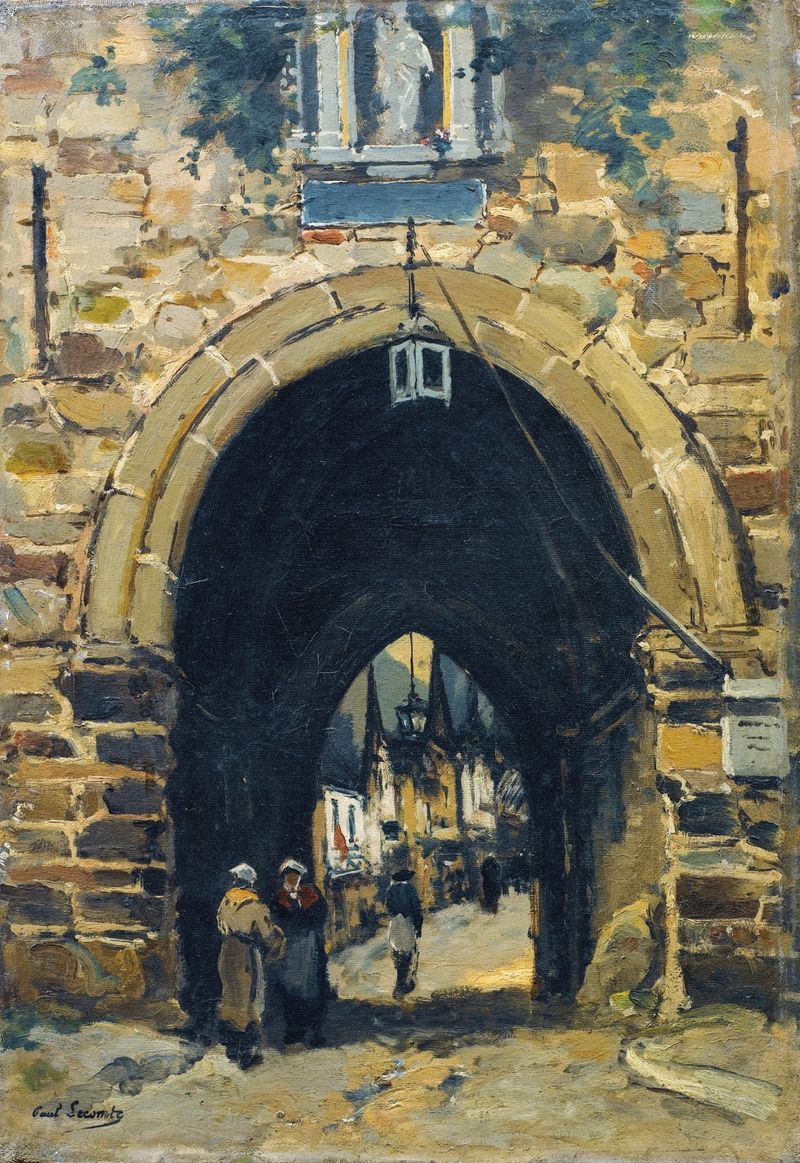
Porte médiévale à Dinan
Paul Lecomte
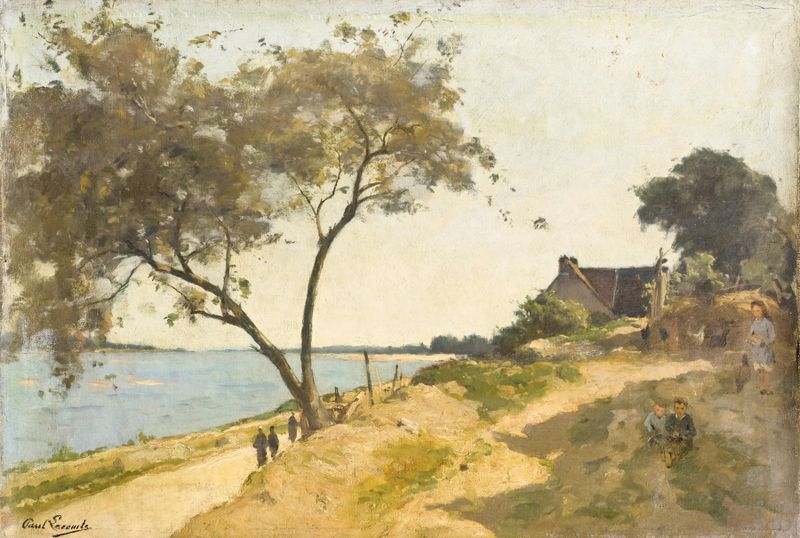
Bord de mer avec promeneurs sur un chemin
Paul Lecomte
Vue de Hérisson avec deux paysannes et un enfant
Paul Lecomte





