
Vue de Hérisson avec deux paysannes et un enfant — History & Facts
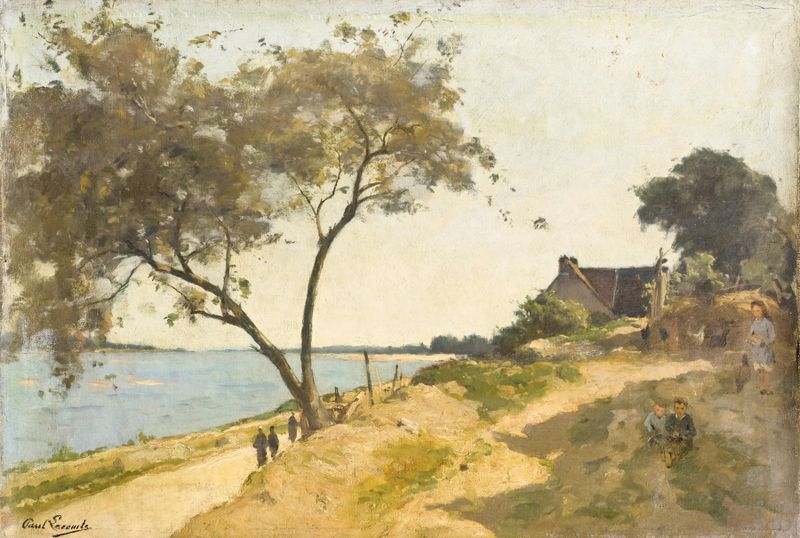
Could beauty survive in a century of chaos? This question hangs in the air, as the viewer stands before a tranquil landscape that seems to whisper of a forgotten peace, inviting introspection and a yearning for simpler times. Look to the left, where two peasant women, clad in humble attire, harmonize with the verdant hills that cradle their modest existence. Their forms are painted with soft strokes, embodying the serenity of rural life. The subdued palette of greens and browns creates a sense of unity with nature, while the light dances delicately across the scene, illuminating the gentle curves of the landscape.
The child between them, a small figure bathed in warmth, symbolizes innocence, firmly anchored in this tableau of simplicity. Yet beneath this serene exterior lies a tension between the pastoral ideal and the realities of existence. The women's faces, though peaceful, carry a trace of weariness, hinting at the burdens of life that lie unseen. The child’s gaze, directed toward the horizon, speaks of longing and the hope for a brighter future.
Together, they form a poignant triad of motherhood, toil, and aspiration, juxtaposing the bliss of the scene with the weight of their unvoiced dreams. Paul Lecomte, known for his depictions of rural life, painted this work during a time when France was navigating the complexities of modernization. Active in the late 19th century, Lecomte sought to capture the essence of a vanishing world, reflecting both the beauty of everyday existence and the underlying struggles of the peasantry. This piece stands as a testament to his commitment to preserving the everyday narratives amidst the shifting tides of society.
More Artworks by Paul Lecomte
Browse all →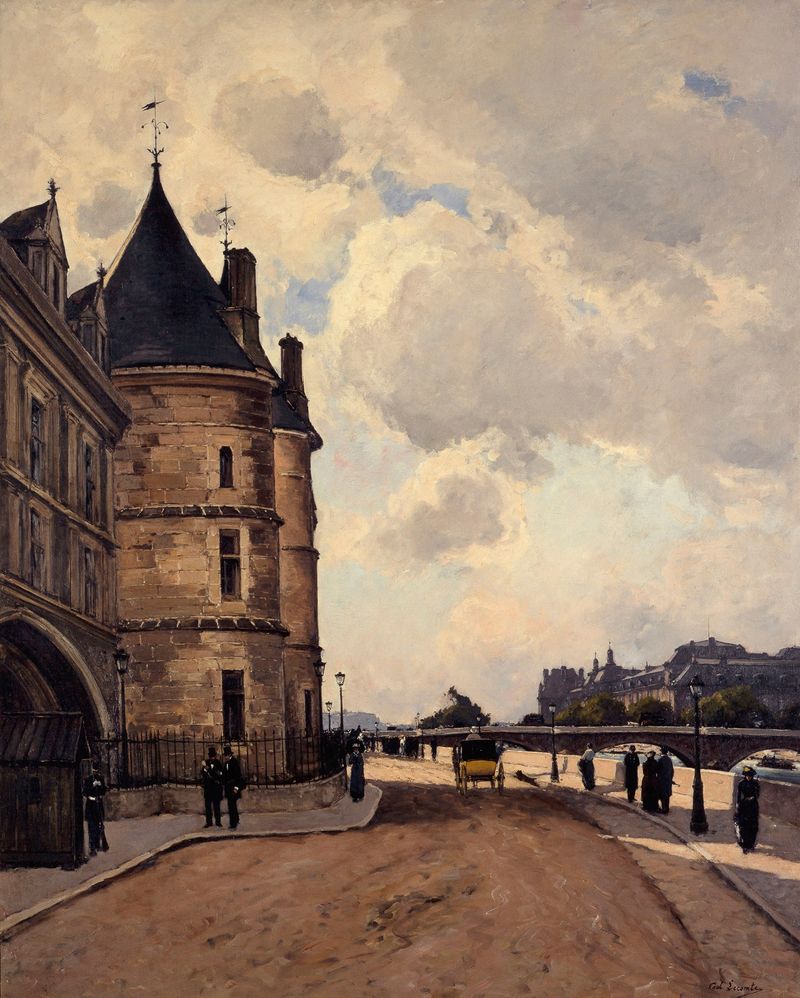
Le quai de l’Horloge
Paul Lecomte
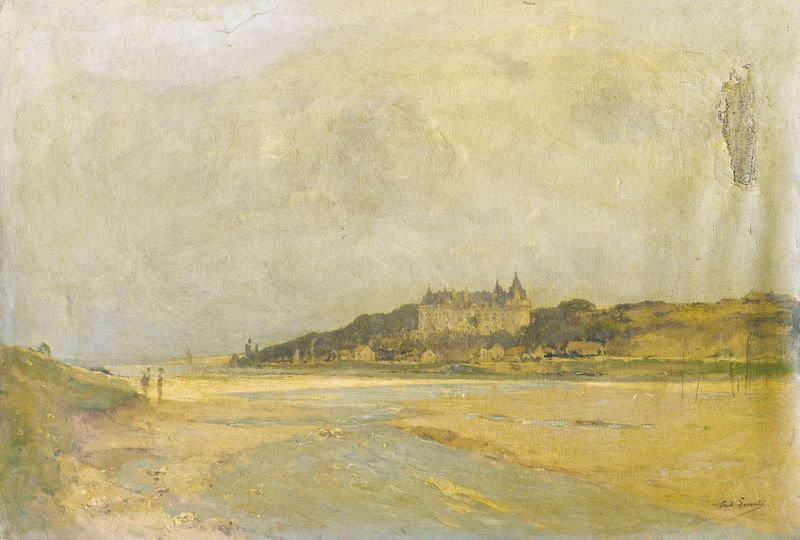
Château dans l’embouchure d’un fleuve
Paul Lecomte
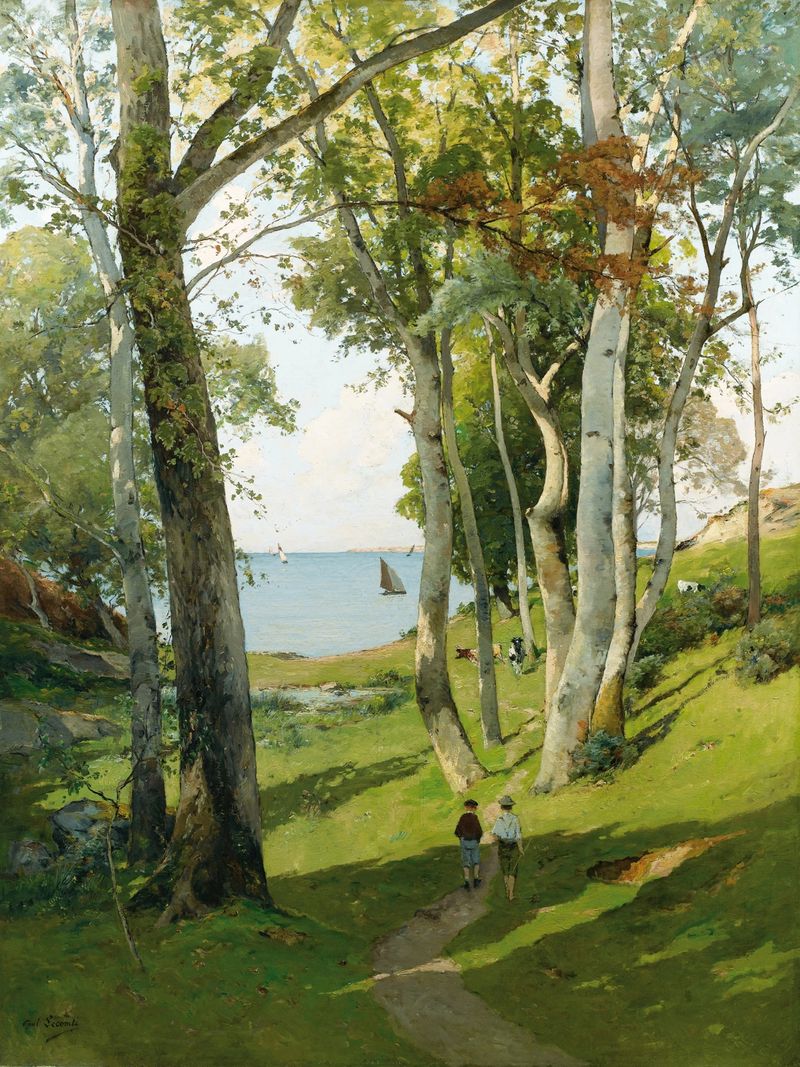
Deux garçons sur un chemin, marchant vers la mer
Paul Lecomte
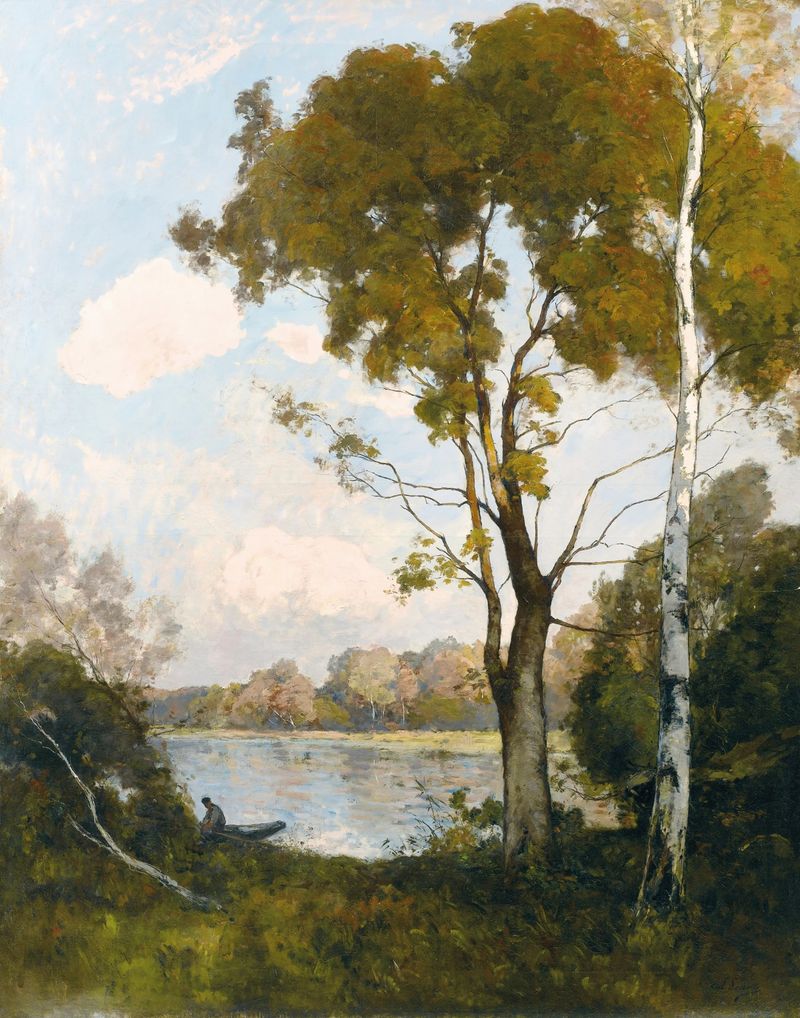
Barque au soleil couchant, deux grands arbres à droite
Paul Lecomte
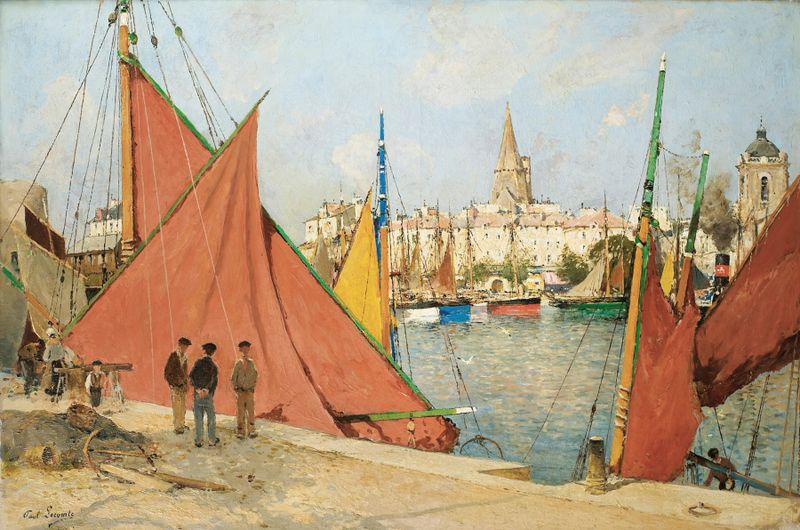
Le port de La Rochelle
Paul Lecomte
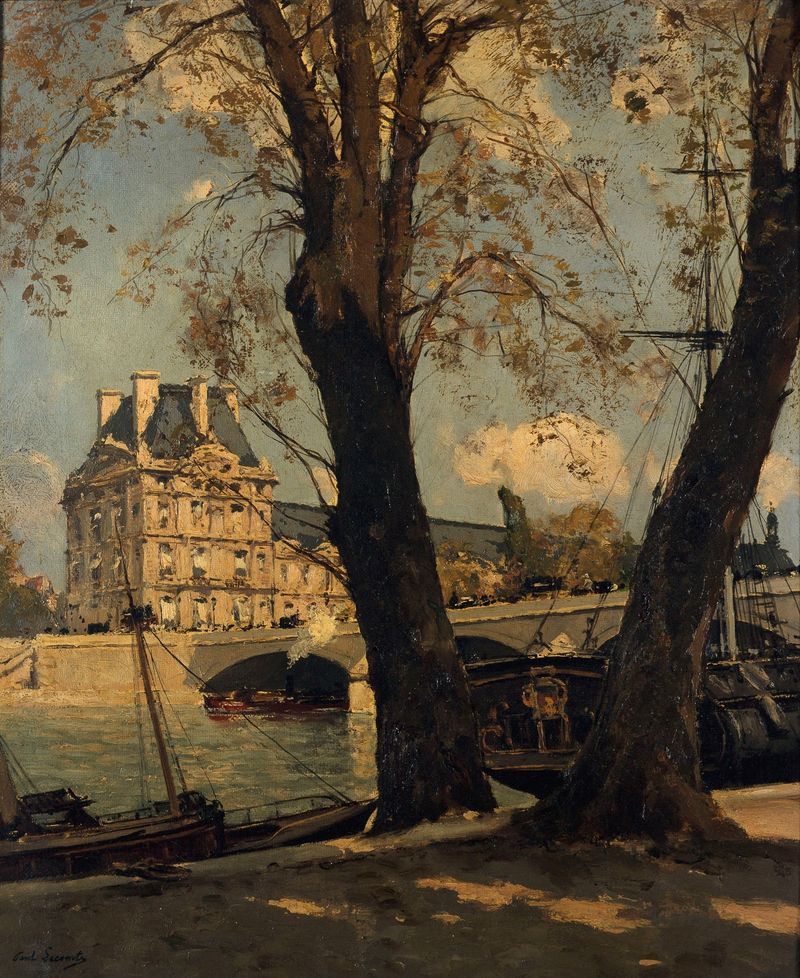
La Frégate du pont Royal
Paul Lecomte
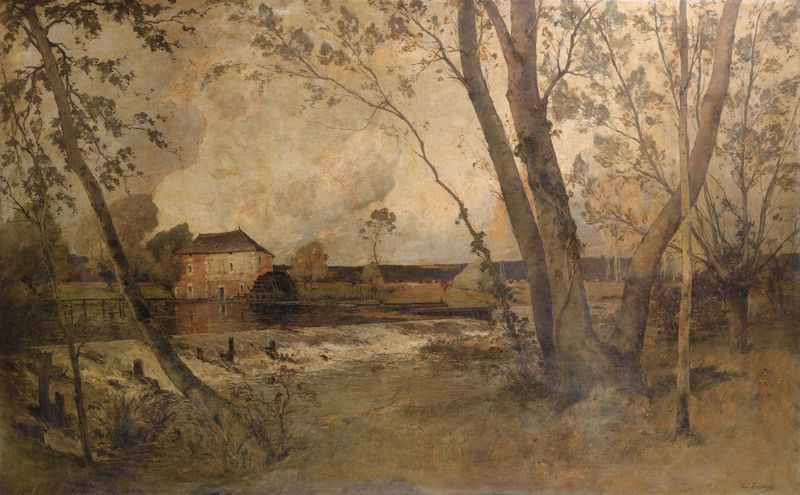
Paysage au moulin
Paul Lecomte
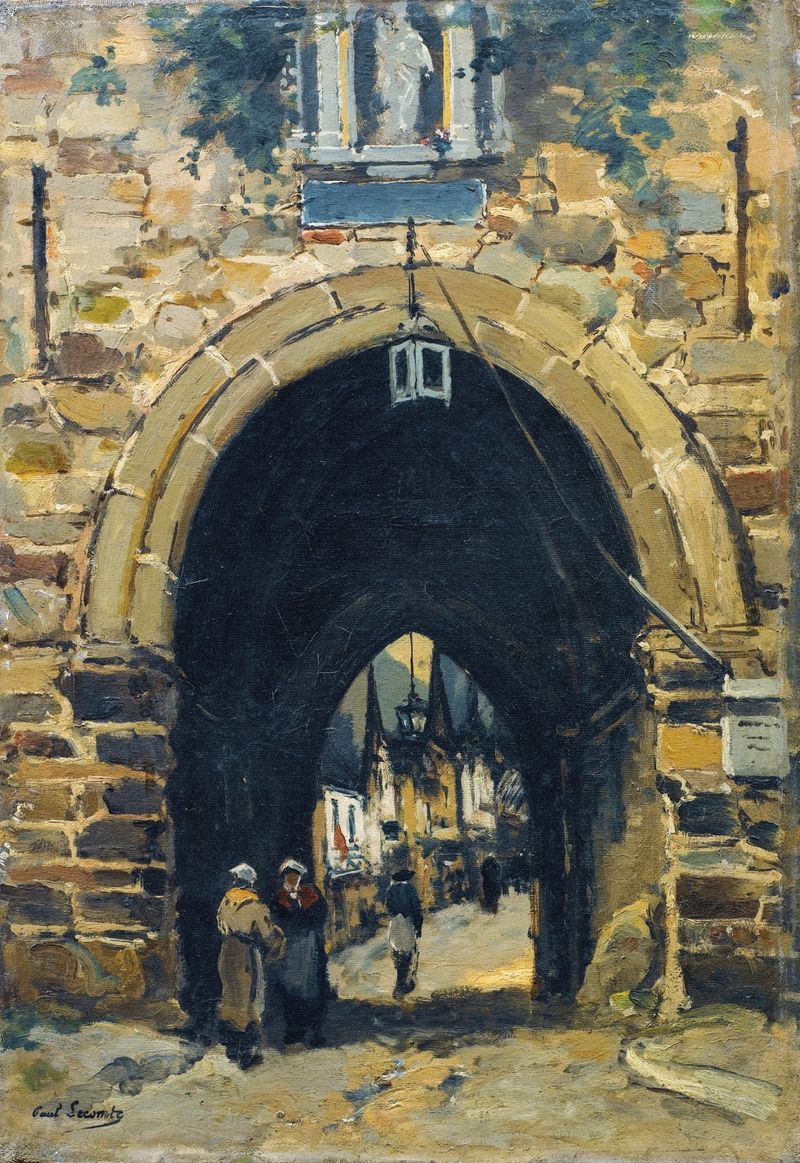
Porte médiévale à Dinan
Paul Lecomte
Bord de mer avec promeneurs sur un chemin
Paul Lecomte





