
Paysage d’Alsace, crépuscule — History & Facts
Can beauty exist without sorrow? In Paysage d’Alsace, crépuscule, Jean-Jacques Henner presents a landscape where tranquility dances delicately alongside an underlying sense of longing. Look to the horizon, where a warm golden light bleeds into the sky, casting soft shadows over the rolling hills. The interplay of light and dark creates a serene yet charged atmosphere, inviting the viewer to feel the gentle tug of evening's embrace. Notice how the brushstrokes merge seamlessly, hinting at the artist's mastery of oil paint, while the muted palette evokes a sense of calm and contemplation. Beneath the surface lies a complex emotional landscape, where the fading light symbolizes the passage of time and the bittersweet nature of memory.
The tranquil scenery invites a moment of reflection, but the soft fog creeping into the foreground hints at the unseen and the unknown—elements of life that often bring both beauty and pain. This duality not only captivates the viewer but also mirrors the complexities of existence itself, where joy and sorrow coexist in an intricate balance. Henner painted Paysage d’Alsace, crépuscule between 1879 and 1888, during a time when he was establishing himself as one of the foremost French landscape painters. Working in Alsace, a region marked by both natural beauty and tumultuous history, he infused his art with reflections of personal and collective experiences.
As impressionism gained momentum in the art world, Henner carved his own path, seeking to harmonize emotion and technique in a way that resonated deeply with his audience.
More Artworks by Jean-Jacques Henner
Browse all →
A Bather (Echo)
Jean-Jacques Henner
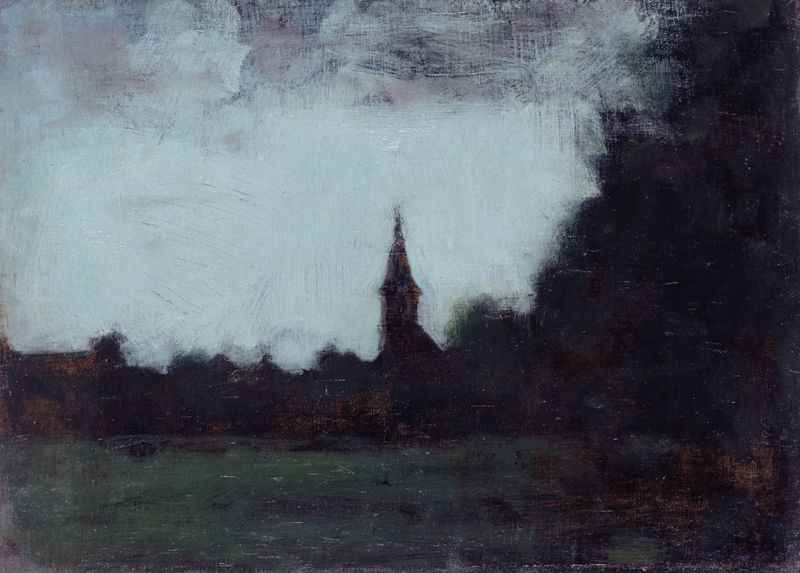
Paysage d’Alsace, le clocher de Bernwiller
Jean-Jacques Henner
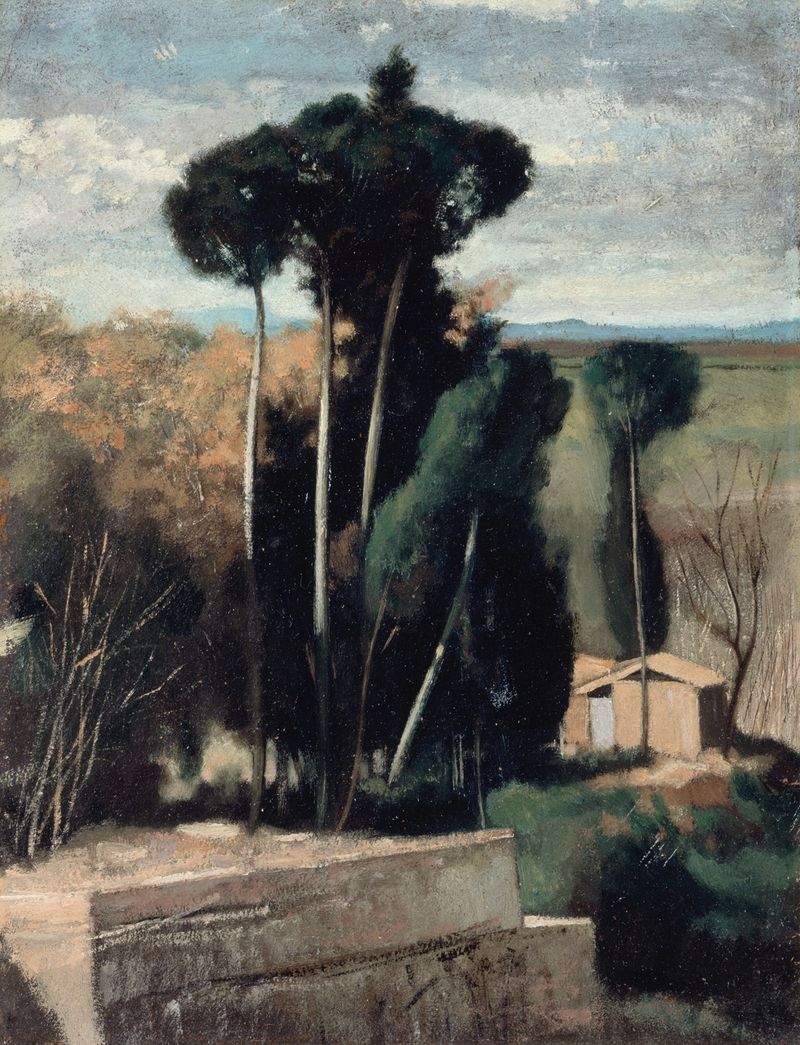
Paysage d’Italie
Jean-Jacques Henner
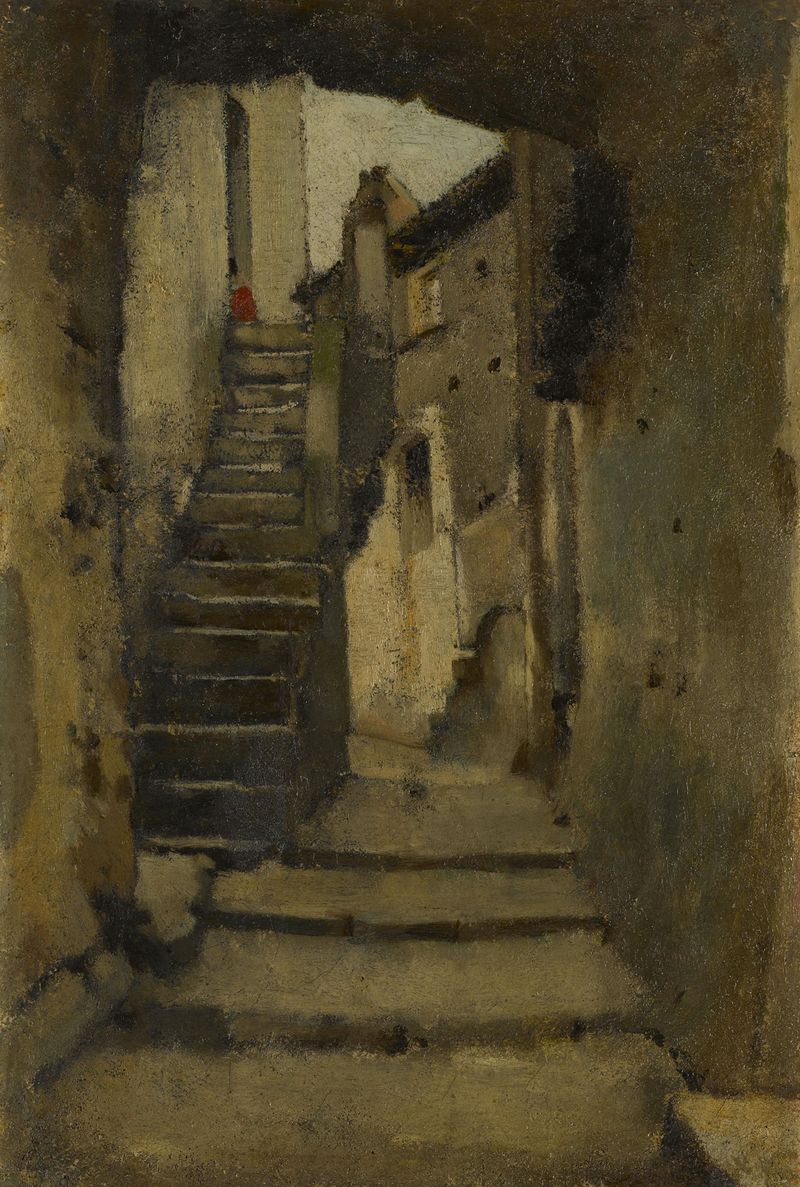
Escalier dans une ruelle à Rome
Jean-Jacques Henner
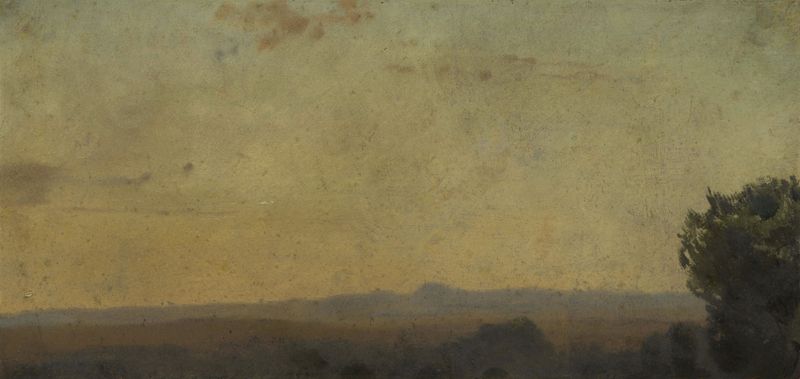
Paysage d’Italie
Jean-Jacques Henner
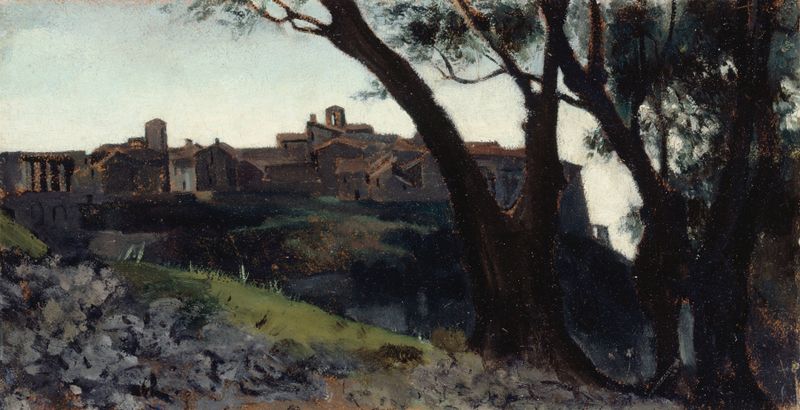
Paysage d’Italie. Village au crépuscule
Jean-Jacques Henner
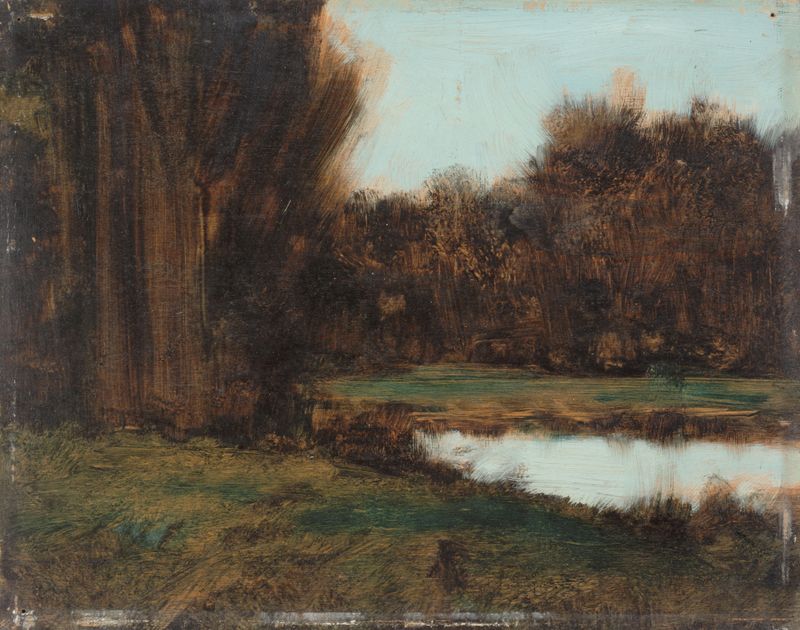
Paysage d’Alsace, une mare
Jean-Jacques Henner

Jardins de la Villa Borghèse vus depuis la Villa Médicis à Rome
Jean-Jacques Henner
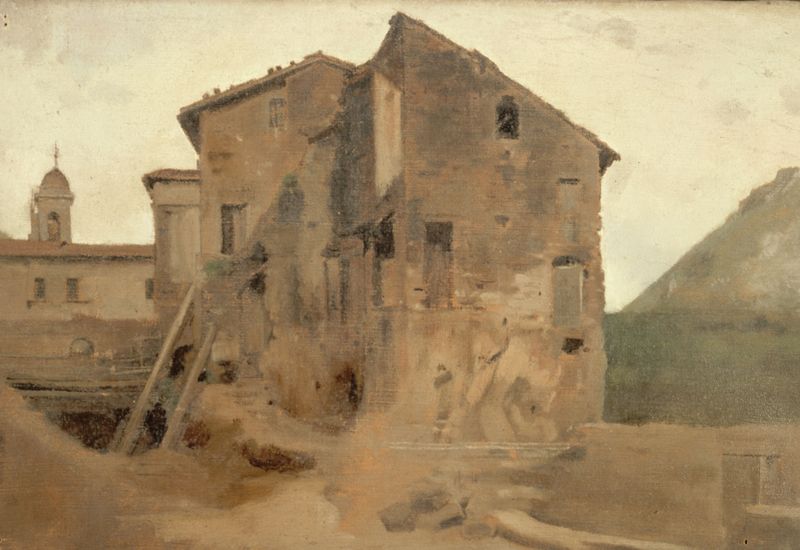
Masure dans la campagne de Rome
Jean-Jacques Henner
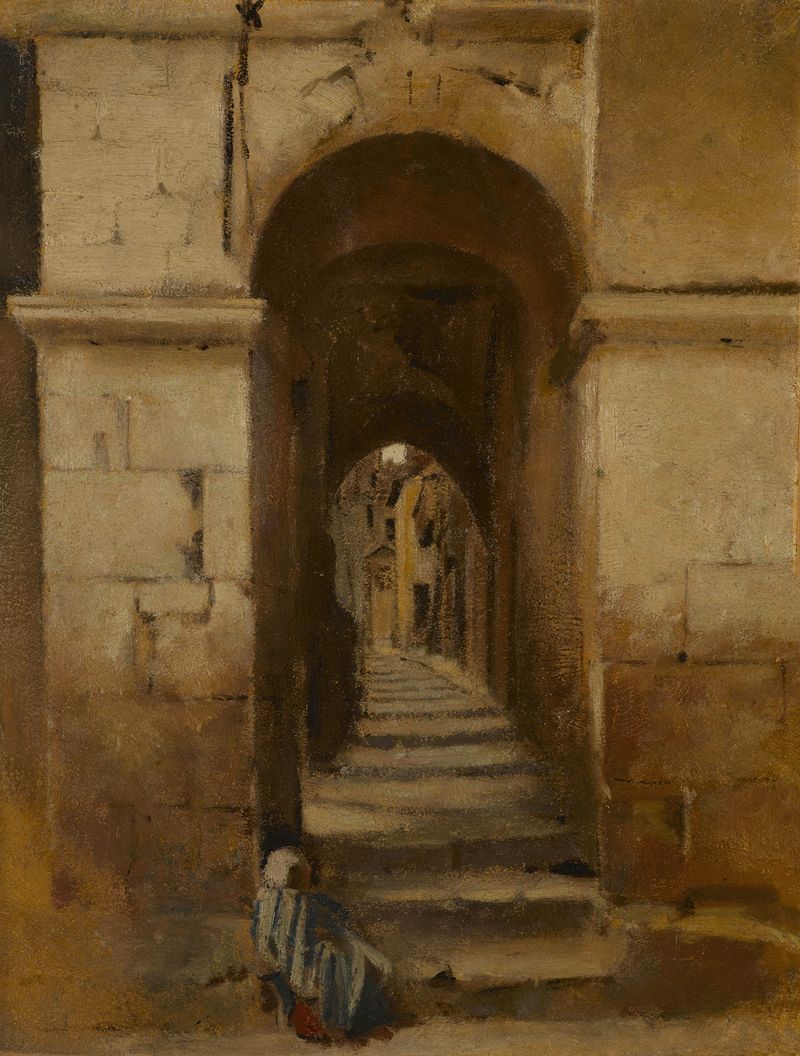
Ruelle à Rome
Jean-Jacques Henner





