
Paysage d’Italie — History & Facts
In the stillness of Paysage d’Italie, one can almost hear the whispers of the Earth, the secrets of time laid bare in the expanse of nature. The painting invites us into a realm where the void speaks louder than the presence, urging contemplation of what lies beyond the visible. Focus on the sweeping horizon, where the soft, muted colors blend seamlessly, drawing your eyes toward the distant hills. Notice how the light gently bathes the landscape, casting a delicate glow that seems to breathe life into the earth.
The subtle contrasts between the warm ochres and cool greens create a harmonious balance, while the brushwork, fluid yet controlled, evokes a sense of tranquility that permeates the scene. Delve deeper into the emotional undercurrents of the piece. The vastness of the landscape suggests a profound isolation, where the absence of human figures amplifies the beauty of nature and the weight of existence. This emptiness encapsulates a longing, a yearning for connection that can exist even in solitude.
The interplay between shadow and light symbolizes the duality of hope and despair, painting a poignant narrative of the human experience. During the years Paysage d’Italie was created, from 1859 to 1864, Jean-Jacques Henner was establishing himself as a significant figure in the French art world. Immersed in the Romantic movement, he sought to capture the emotive qualities of light and landscape at a time when art was beginning to embrace more personal and introspective themes. In the midst of societal change and artistic exploration, this work reflects both his personal journey and the broader evolution of art during this period.
More Artworks by Jean-Jacques Henner
Browse all →
A Bather (Echo)
Jean-Jacques Henner
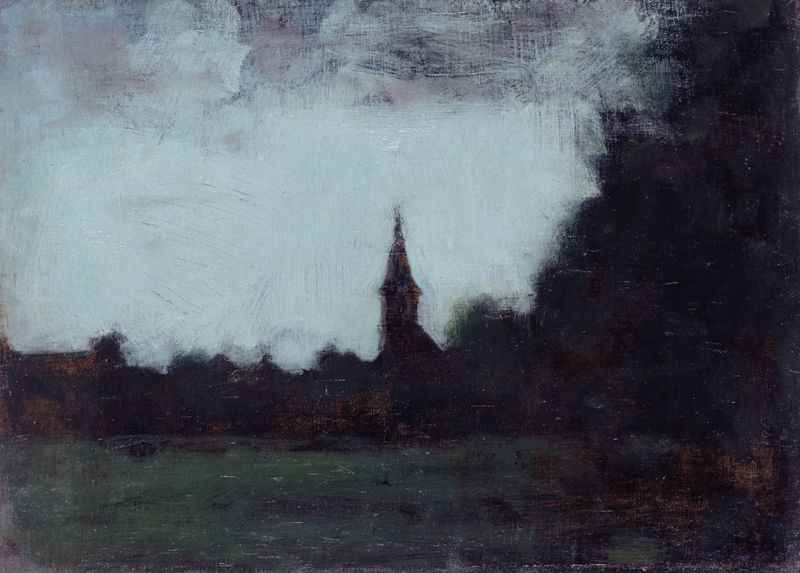
Paysage d’Alsace, le clocher de Bernwiller
Jean-Jacques Henner
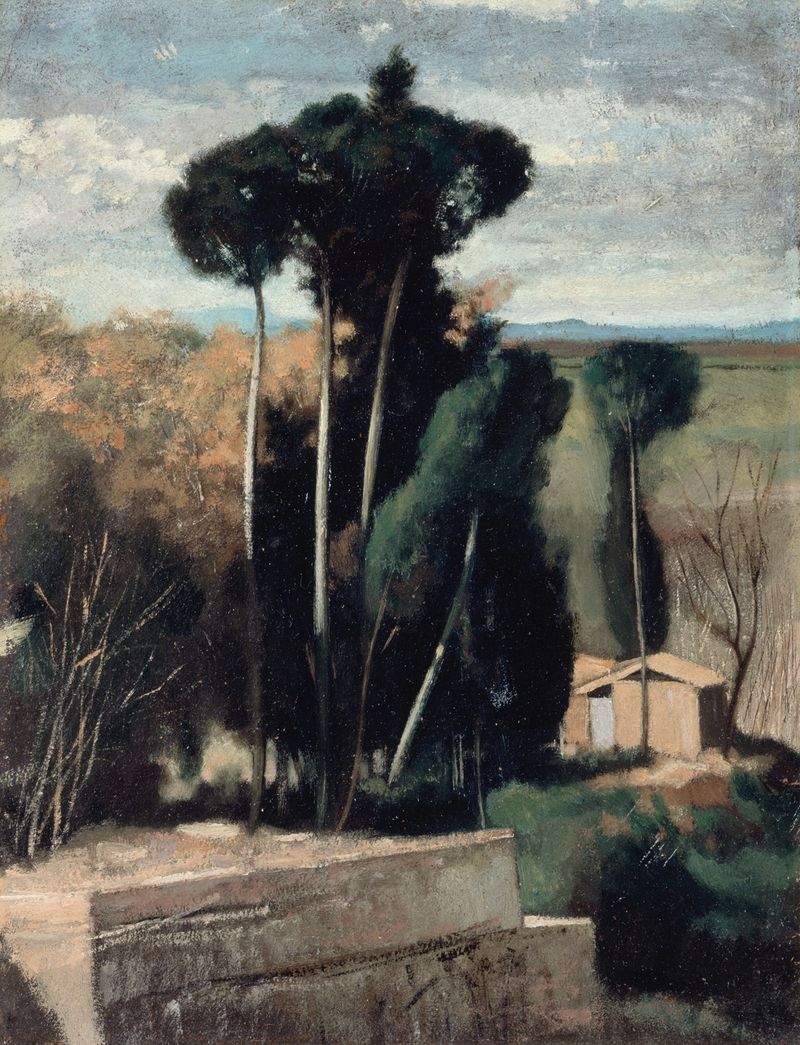
Paysage d’Italie
Jean-Jacques Henner
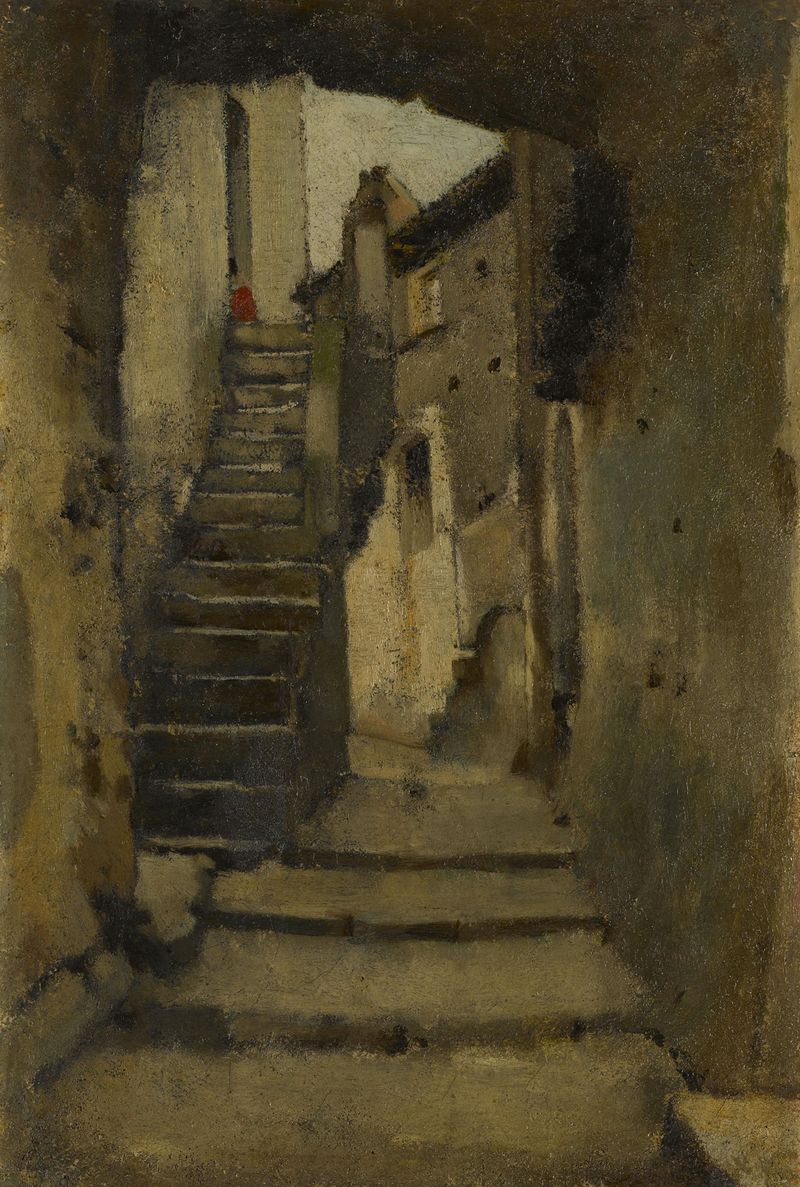
Escalier dans une ruelle à Rome
Jean-Jacques Henner

Paysage d’Alsace, crépuscule
Jean-Jacques Henner
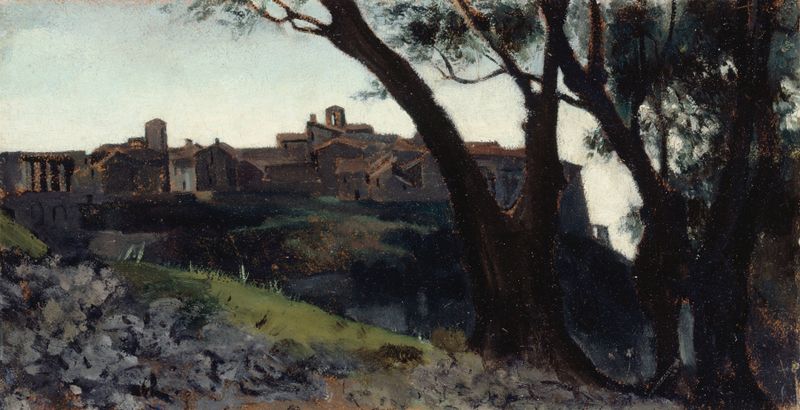
Paysage d’Italie. Village au crépuscule
Jean-Jacques Henner
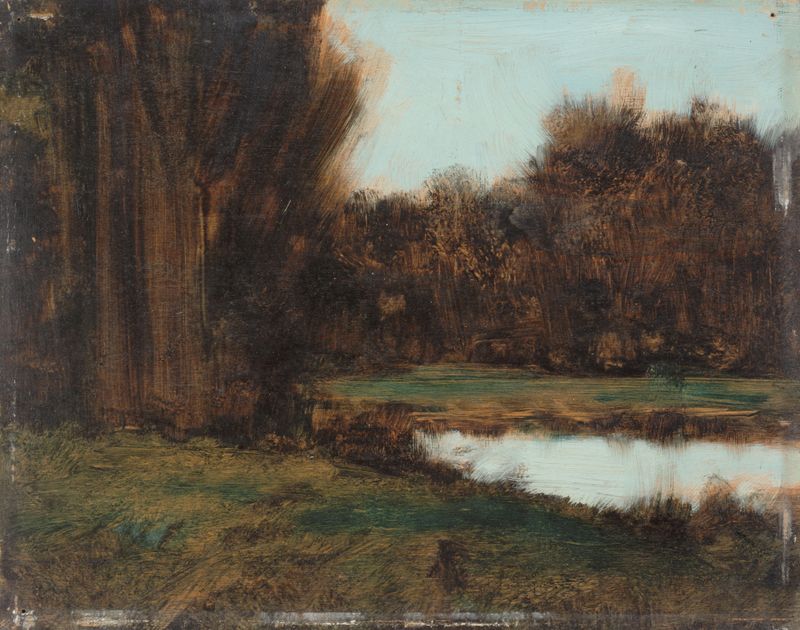
Paysage d’Alsace, une mare
Jean-Jacques Henner

Jardins de la Villa Borghèse vus depuis la Villa Médicis à Rome
Jean-Jacques Henner
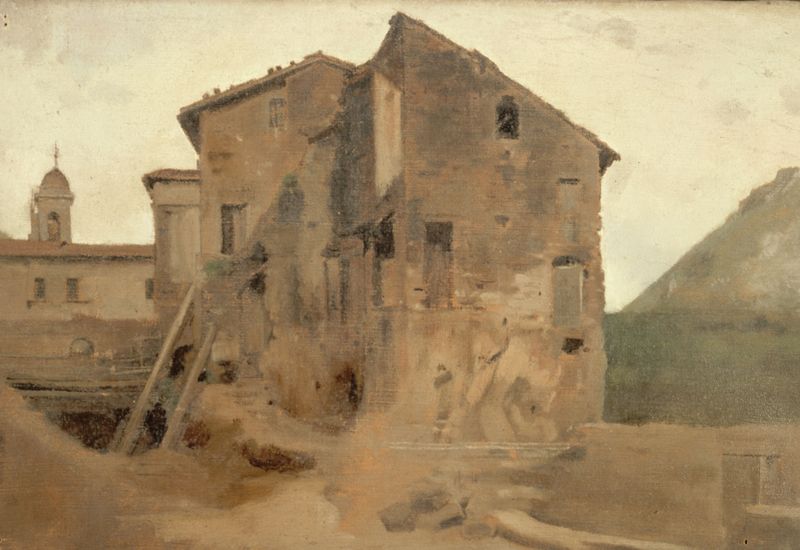
Masure dans la campagne de Rome
Jean-Jacques Henner
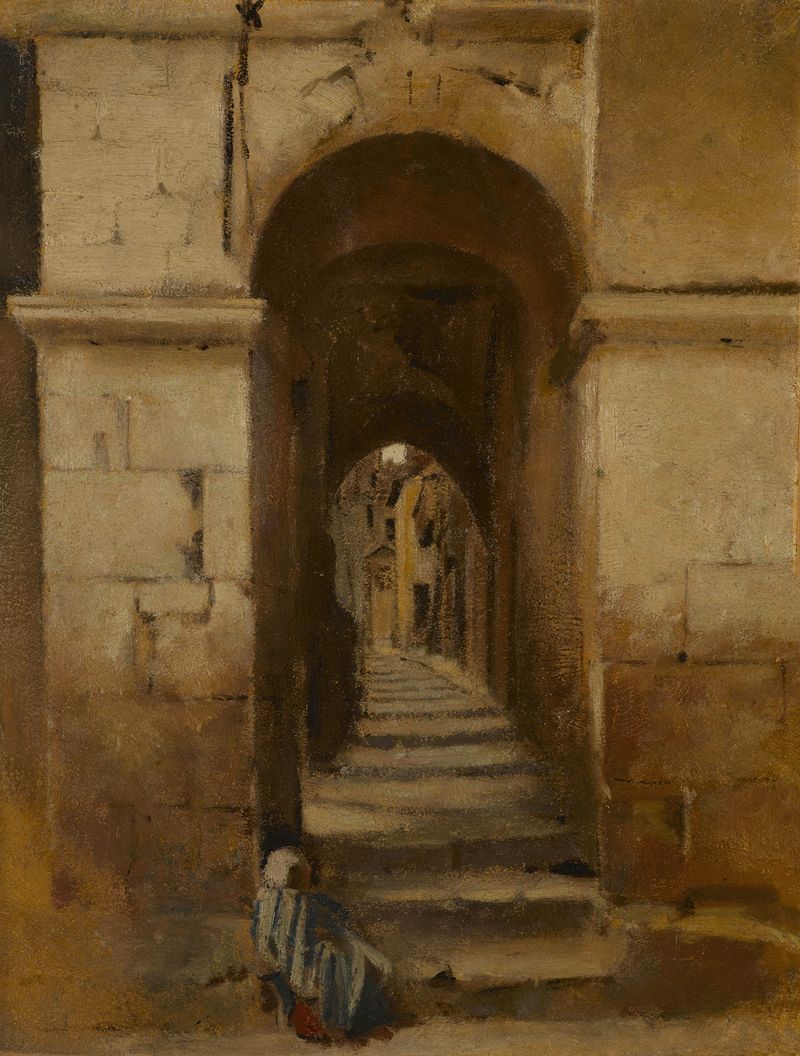
Ruelle à Rome
Jean-Jacques Henner





