Paysage de cimetière la nuit — History & Facts
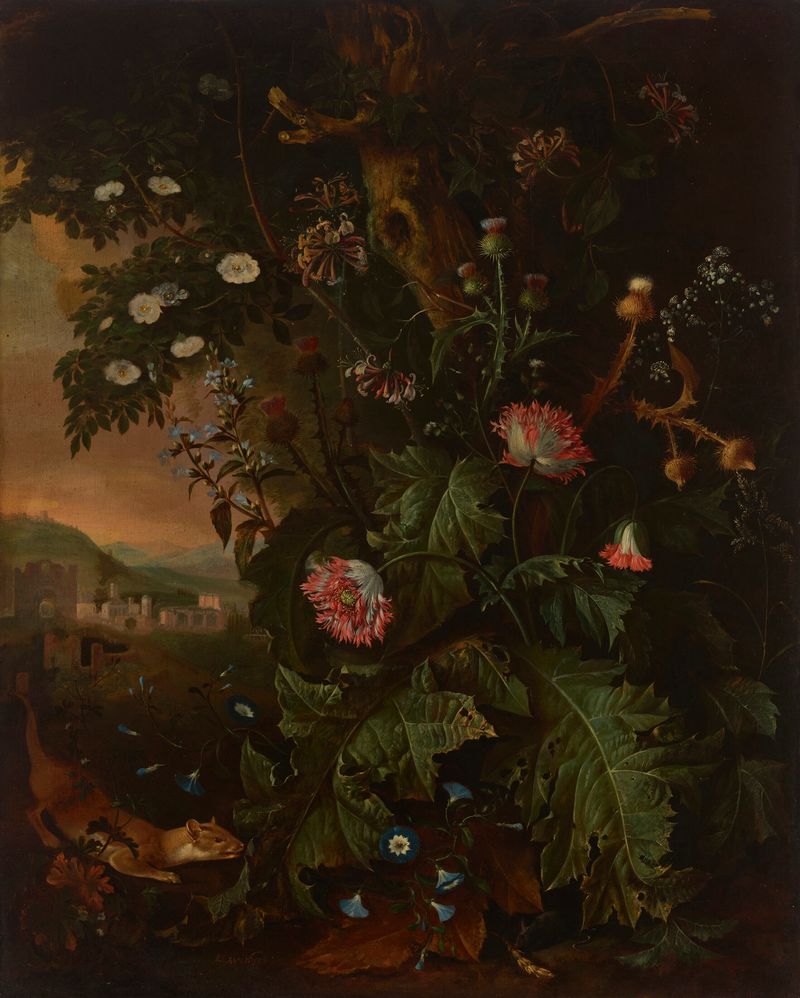
In a world often cluttered with noise, the stillness of a night landscape invites introspection and wonder. Look closely at the horizon where shadowy trees silhouette against the moonlit sky. The stark contrast of deep blues and blacks envelops the scene, while the spectral light casts an ethereal glow over the headstones. Notice how the soft whites and silvery hues create an illusion of depth, drawing you into the serene yet haunting atmosphere of the cemetery.
Each stone, meticulously painted, whispers secrets from the past, as the delicate brushstrokes dance between light and shadow. Beneath the tranquil surface lies a tension between life and death, serenity and sorrow. The seemingly peaceful setting captures the duality of existence, where the tranquil beauty of nature coexists with the solemnity of remembrance. The moonlight, often a symbol of hope, paradoxically illuminates a space that holds the weight of loss.
This juxtaposition invites the viewer to reflect on their own mortality and the fleeting nature of life. Withoos painted this piece during a time when the Baroque movement was flourishing in the late 17th century, a period characterized by dramatic use of light and rich detail. Working primarily in the Netherlands, he sought to capture the interplay of light and shadow, a hallmark of his style. The cultural backdrop of his era was marked by religious conflict and an evolving interest in the natural world, influencing the themes of introspection and the passage of time present in his work.