
Paysage de Divonne (Le golfe) — History & Facts
Can paint confess what words never could? In the quiet embrace of Paysage de Divonne (Le golfe, the landscape seems to murmur secrets of tranquility and hidden turmoil, inviting the viewer to delve into its depths. Focus on the verdant expanse in the center, where rolling hills cradle the serene blue of the water. Notice how the brushstrokes dance across the canvas, creating a rhythmic texture that suggests both calmness and an undercurrent of unrest. The lighter hues of the sky contrast sharply with the darker shades of the trees, inviting contemplation on the balance between peace and chaos in nature.
Each element is carefully composed, guiding your eye toward the horizon, where the sky meets the water in a delicate embrace. Yet beneath this idyllic surface lies an emotional dichotomy. The vibrant greens and blues evoke a sense of serenity, but the tumultuous brushstrokes hint at a deeper madness, a restless spirit tethered to the tranquility of the landscape. Small details, like the way the light refracts on the water's surface or the shadows lurking beneath the trees, suggest a duality—an invitation to both serenity and introspection.
The painting not only reflects nature's beauty but also captures the inner struggles that may lie within those who gaze upon it. Created between 1845 and 1916, during a time when the Impressionist movement was gaining momentum, the artist found herself at the intersection of tradition and innovation. Living in France, she experienced the revolutionary shifts in artistic thinking that challenged conventional representation. Amidst this evolving landscape of art, her work echoed the complexities of both the natural world and the human experience, revealing layers of emotion often left unsaid.
More Artworks by Marie Bracquemond
Browse all →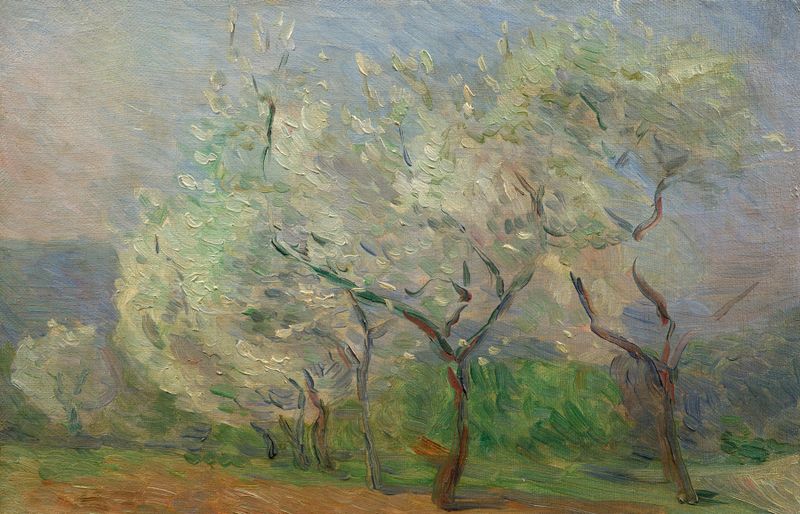
Study of trees
Marie Bracquemond

View of Sèvres
Marie Bracquemond

Divonne
Marie Bracquemond

Paysage montagneux
Marie Bracquemond
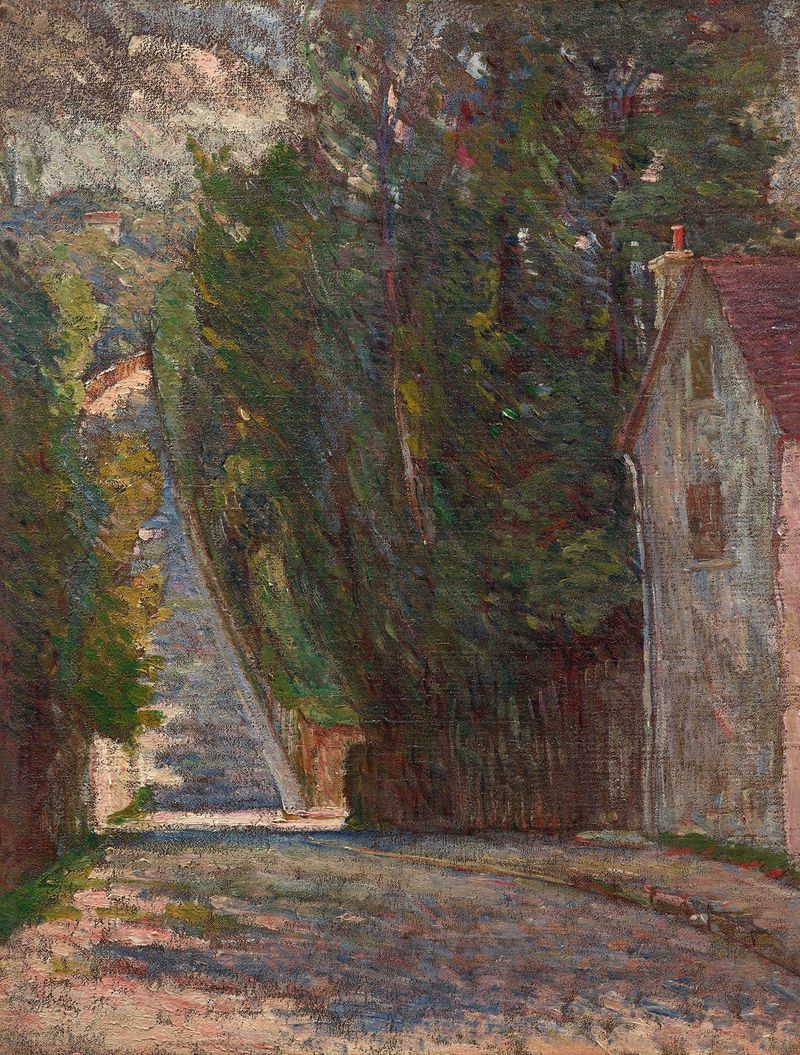
Landscape with an alley
Marie Bracquemond

Landsacpe with trees and sunset
Marie Bracquemond

Landscape with trees
Marie Bracquemond

View of Paris
Marie Bracquemond
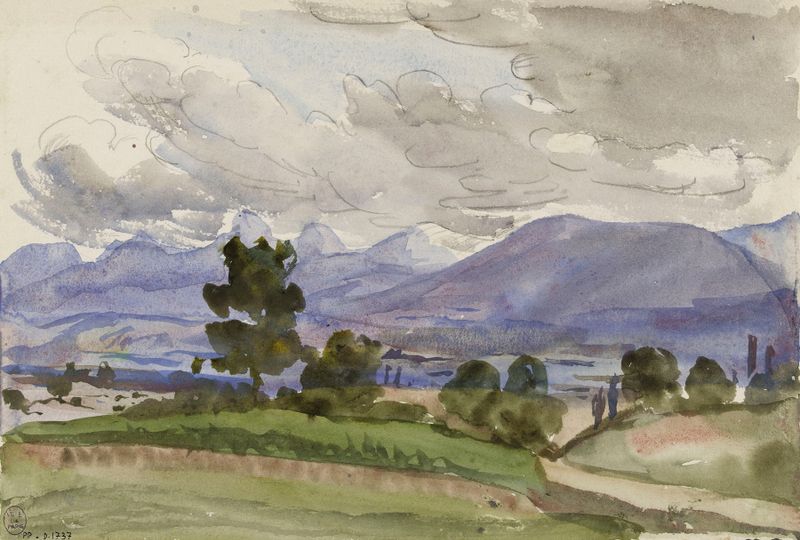
Paysage de Divonne
Marie Bracquemond
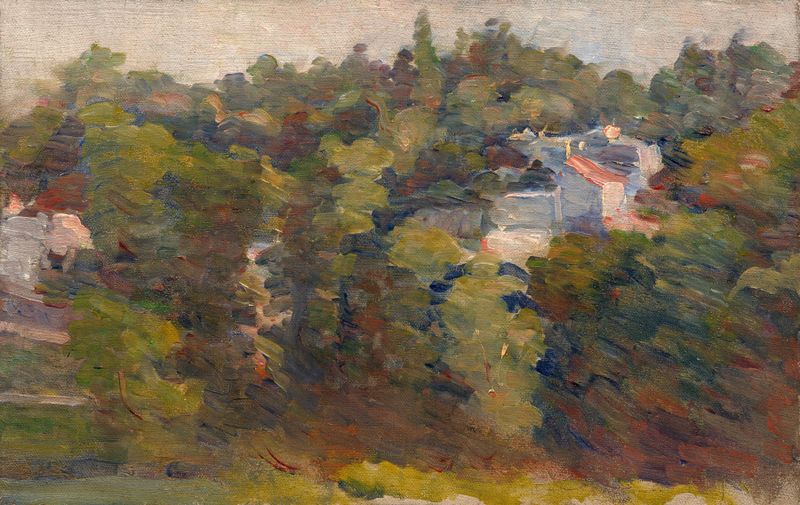
Small view of Sèvres
Marie Bracquemond





