
Study of trees — History & Facts
What if beauty was never meant to be finished? In an unfurling tapestry of brushstrokes, the essence of trees emerges, inviting contemplation on nature’s cyclical rebirth. Focus on the intricate layering of greens and browns, where the artist’s delicate application of paint whispers life into each leaf and branch. Notice how the dappled sunlight filters through the foliage, creating a harmonious blend of light and shadow that breathes depth into the scene. The composition is both intimate and expansive, drawing you in while simultaneously connecting you to the natural world. Hidden within this seemingly simple study is a dialogue between permanence and transience.
The vibrant hues evoke the vitality of spring, yet there's an undertone of decay, suggesting that all beauty is fleeting. The way the branches intertwine signifies interconnection, hinting at a broader ecological narrative that transcends individual forms. This tension between growth and loss reflects the artist’s profound understanding of nature’s duality. Marie Bracquemond created this work during a transformative period in her life, likely in the late 19th century, when Impressionism was gaining traction.
As a prominent female artist in a male-dominated field, she sought to carve her own identity through her art amidst societal constraints. This exploration of nature’s beauty mirrored the emerging modernist sentiments of her time, emphasizing a fresh perspective on the world around her.
More Artworks by Marie Bracquemond
Browse all →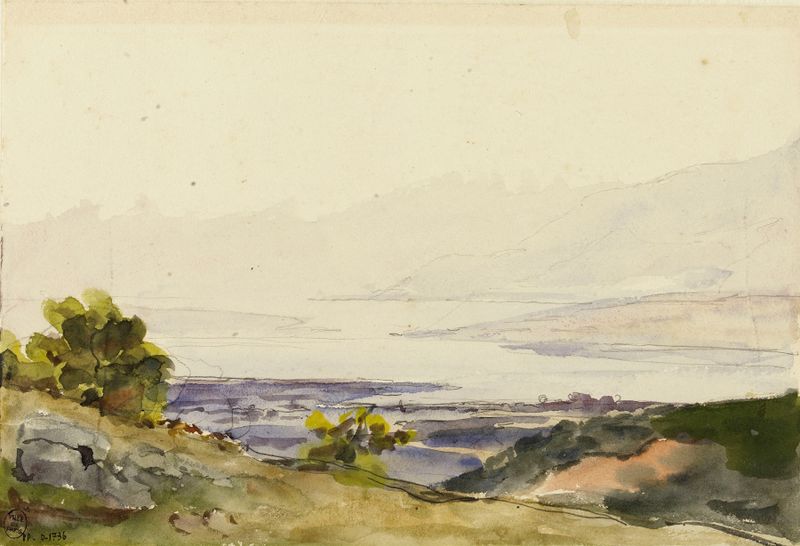
Paysage de Divonne (Le golfe)
Marie Bracquemond

View of Sèvres
Marie Bracquemond

Divonne
Marie Bracquemond

Paysage montagneux
Marie Bracquemond
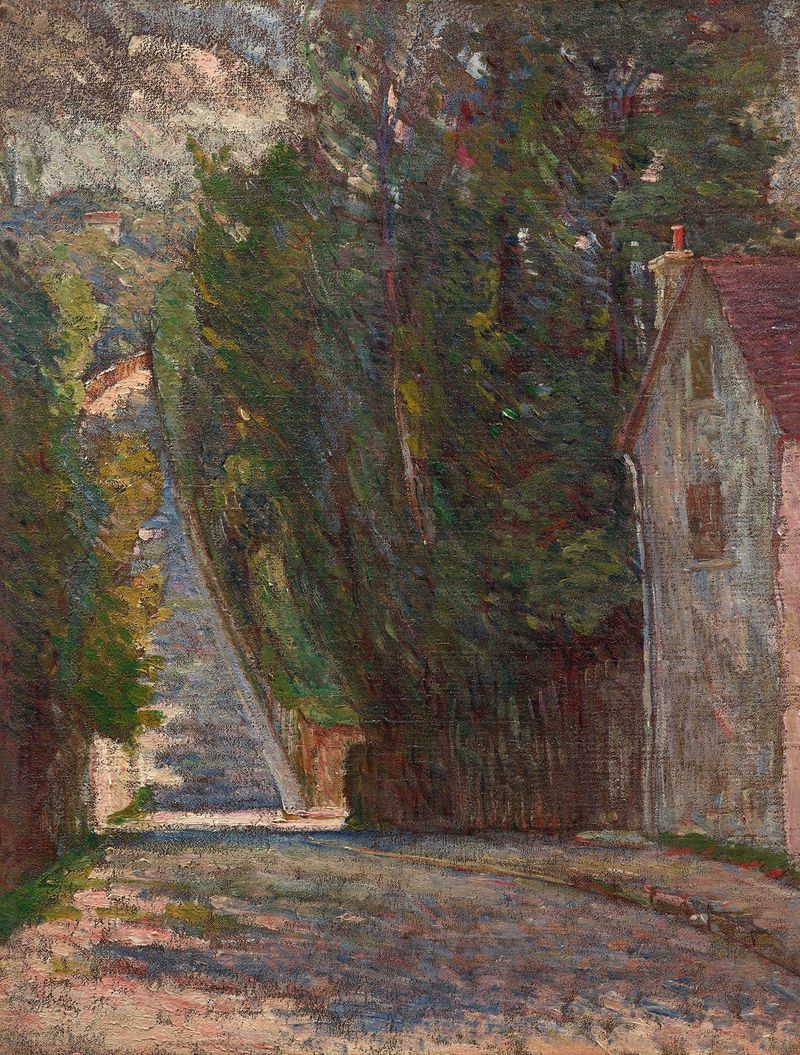
Landscape with an alley
Marie Bracquemond

Landsacpe with trees and sunset
Marie Bracquemond

Landscape with trees
Marie Bracquemond

View of Paris
Marie Bracquemond
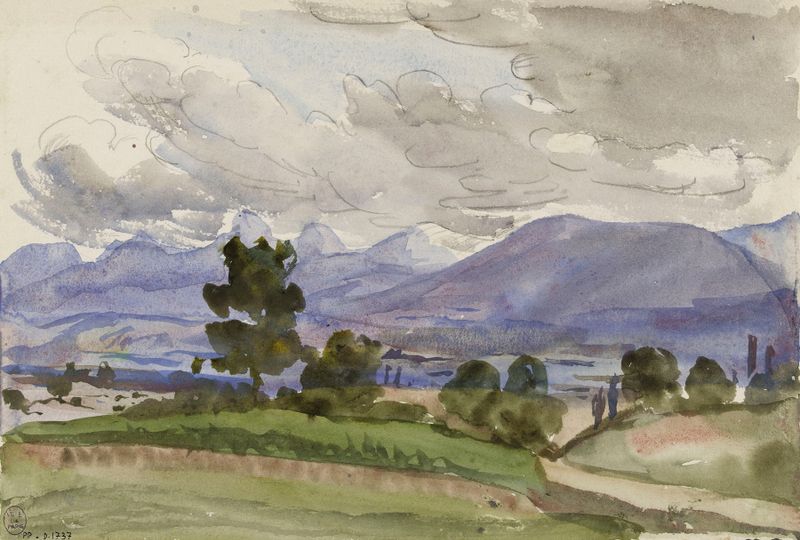
Paysage de Divonne
Marie Bracquemond
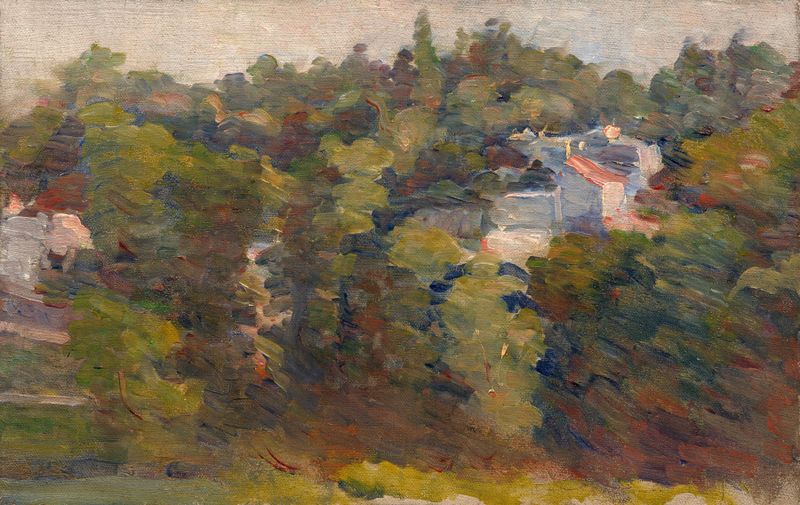
Small view of Sèvres
Marie Bracquemond





