Peleus vangt Thetis — History & Facts
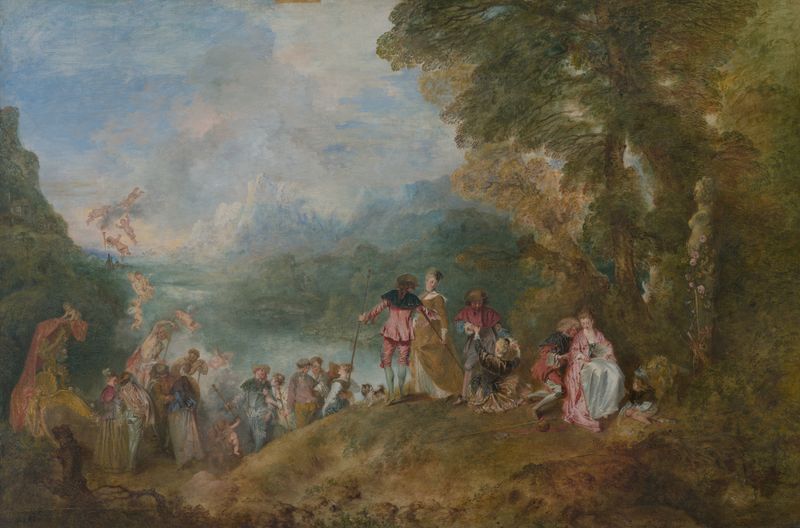
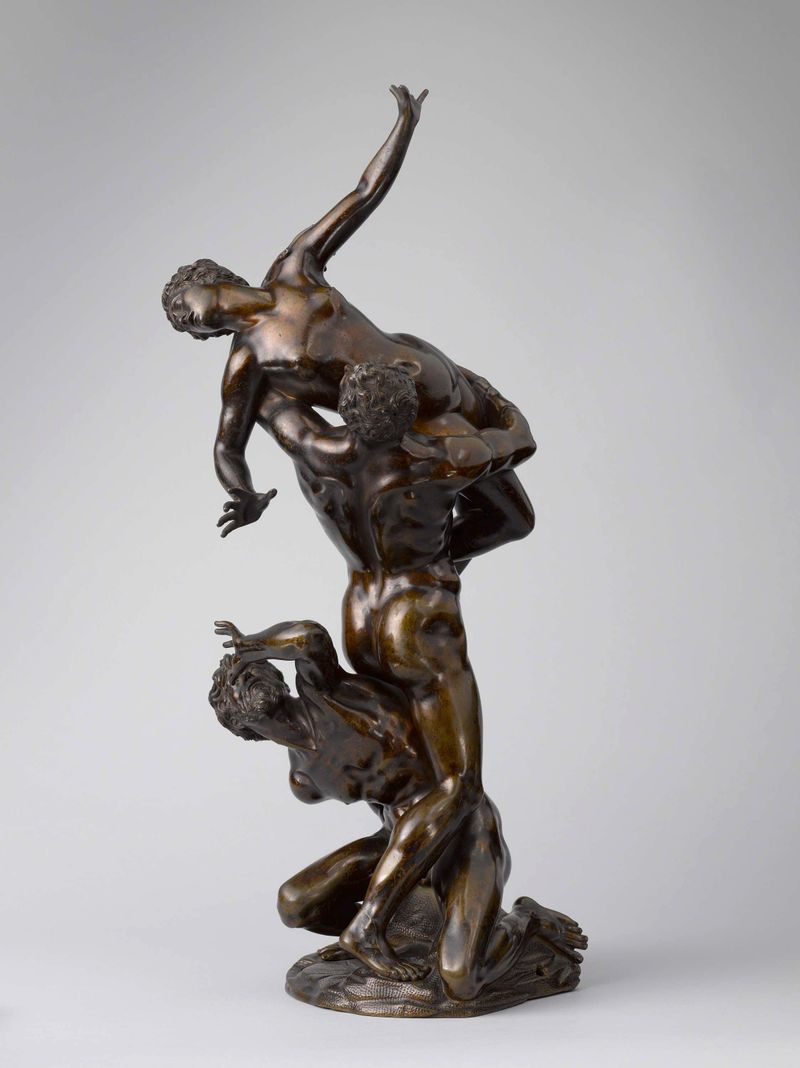
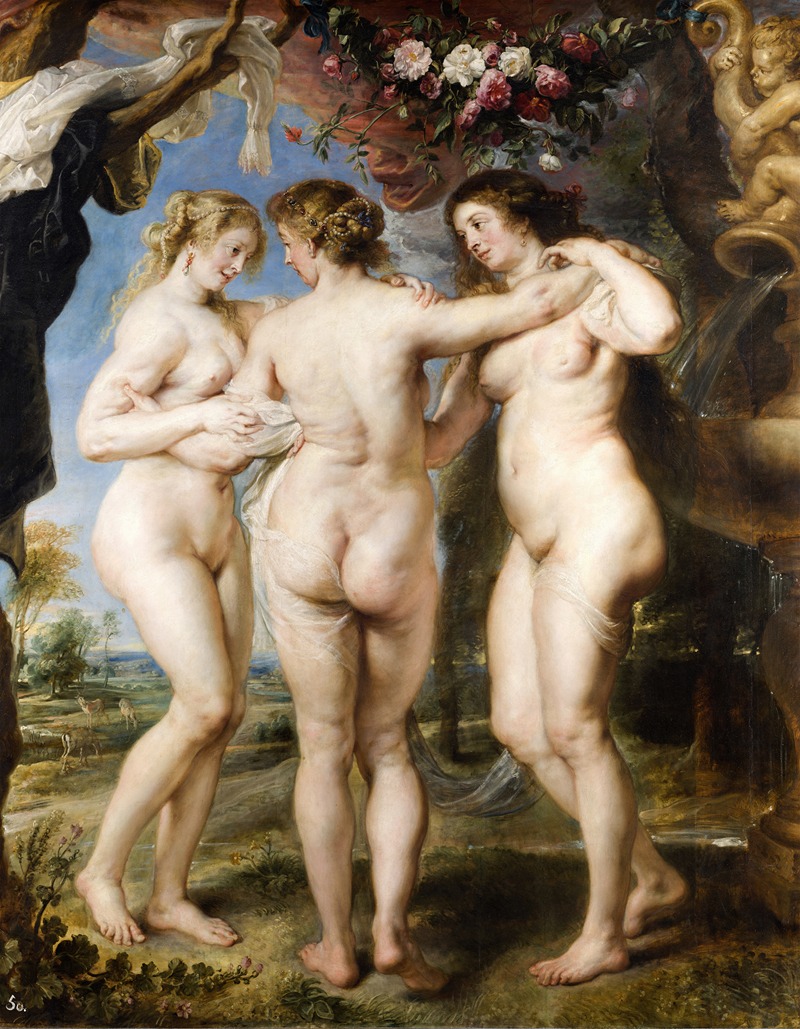
Is this a mirror — or a memory? The haunting dialogue between past and present unfolds in Peleus vangt Thetis, where the flow of time seems to suspend itself, inviting us to peer into our own reflections. Look to the left at the powerful embrace of the figures, their bodies entwined in a dance of longing and destiny. The soft light cascades down, illuminating the delicate textures of Thetis’s flowing garments while casting subtle shadows that hint at the emotional weight of their encounter. Notice how the careful use of color — rich blues and greens against warmer earth tones — creates a vivid contrast, enhancing the intimacy of this moment against the vast backdrop of mythological grandeur. Within the depths of this composition lies a poignant exploration of fate and desire.
The tension between Peleus and Thetis encapsulates the struggle of personal connection versus the pull of the divine, as her gaze dances between the viewer and the horizon, suggesting a choice that is as monumental as it is intimate. Further, the intricate details in their expressions reflect not only love but the underlying currents of fear and inevitability, resonating with our own experiences of longing and loss. In the early 1700s, J. Alexander Janssens crafted this work during a time when the Baroque style was giving way to the more restrained Neoclassicism.
Contextually, Janssens was influenced by the rich cultural conversations surrounding mythology and human emotion, carving out his own interpretation amid the evolving art movements of Europe. He painted in a period marked by a fascination with the classical past, carefully weaving these mythological tales into the fabric of contemporary life.