
Petrus — History & Facts
What if silence could speak through light? In Petrus, the stillness becomes a vessel for obsession, casting shadows that whisper secrets and unveil desires. Look to the center of the composition, where a solitary figure stands in gentle repose, draped in richly textured fabrics. The meticulous attention to detail in the folds of his garments invites the eye to linger, revealing a soft interplay of light and shadow. Notice how the golden hues illuminate his face, drawing a stark contrast against the more muted background, emphasizing both his presence and isolation in this intimate moment. Delve deeper into the symbolism embedded within the piece.
The figure’s steadfast gaze hints at a consuming fixation, perhaps a longing for connection or truth. Consider the delicate balance between the light that envelops him and the darker, more ambiguous elements surrounding—this tension suggests an inner conflict between desire and solitude. The artist's choice of muted colors serves not just to create depth but also to mirror the somber weight of obsession, evoking a sense of melancholic reverie. In 1545, Hans Sebald Beham was navigating a world marked by shifting artistic paradigms and the emergence of the Northern Renaissance.
Living in Nuremberg, he was at the forefront of printmaking and painting, often exploring themes of emotion and morality. Amid this vibrant artistic landscape, the creation of Petrus reflects his fascination with character study and psychological depth, capturing a moment that resonates beyond its era.
More Artworks by Hans Sebald Beham
Browse all →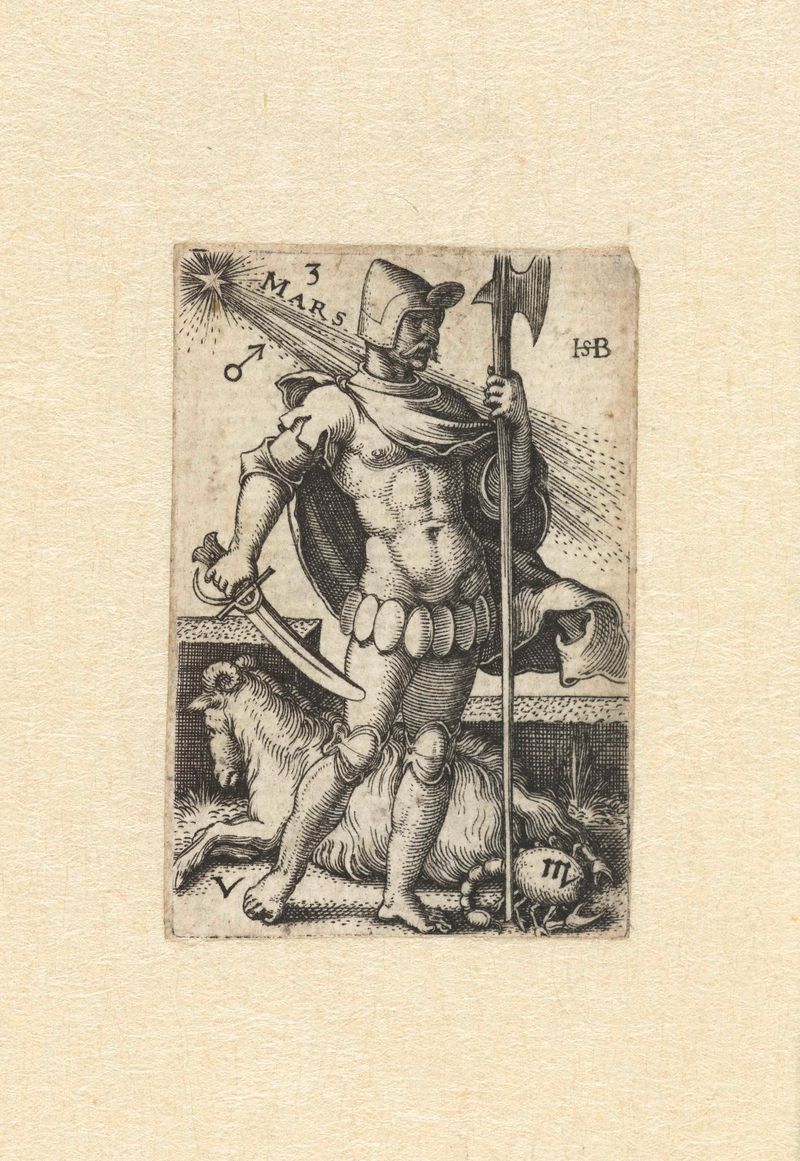
Mars met sterrenbeelden Ram en Schorpioen
Hans Sebald Beham

Achilles in gevecht met Hector
Hans Sebald Beham
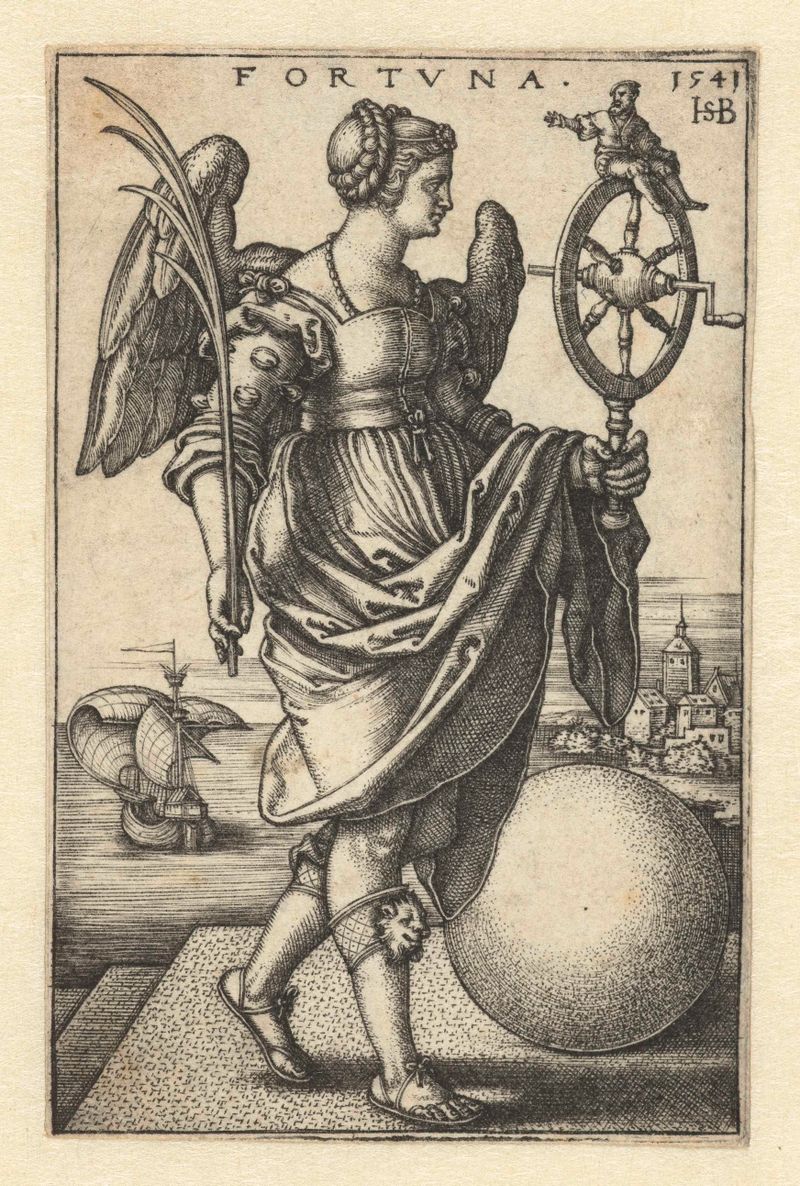
Fortuna
Hans Sebald Beham

Hercules worstelt met Antaeus
Hans Sebald Beham

Twee muzikanten met schalmey en doedelzak
Hans Sebald Beham

Voorzichtigheid (Prudentia)
Hans Sebald Beham

Hercules in gevecht met de Trojanen
Hans Sebald Beham
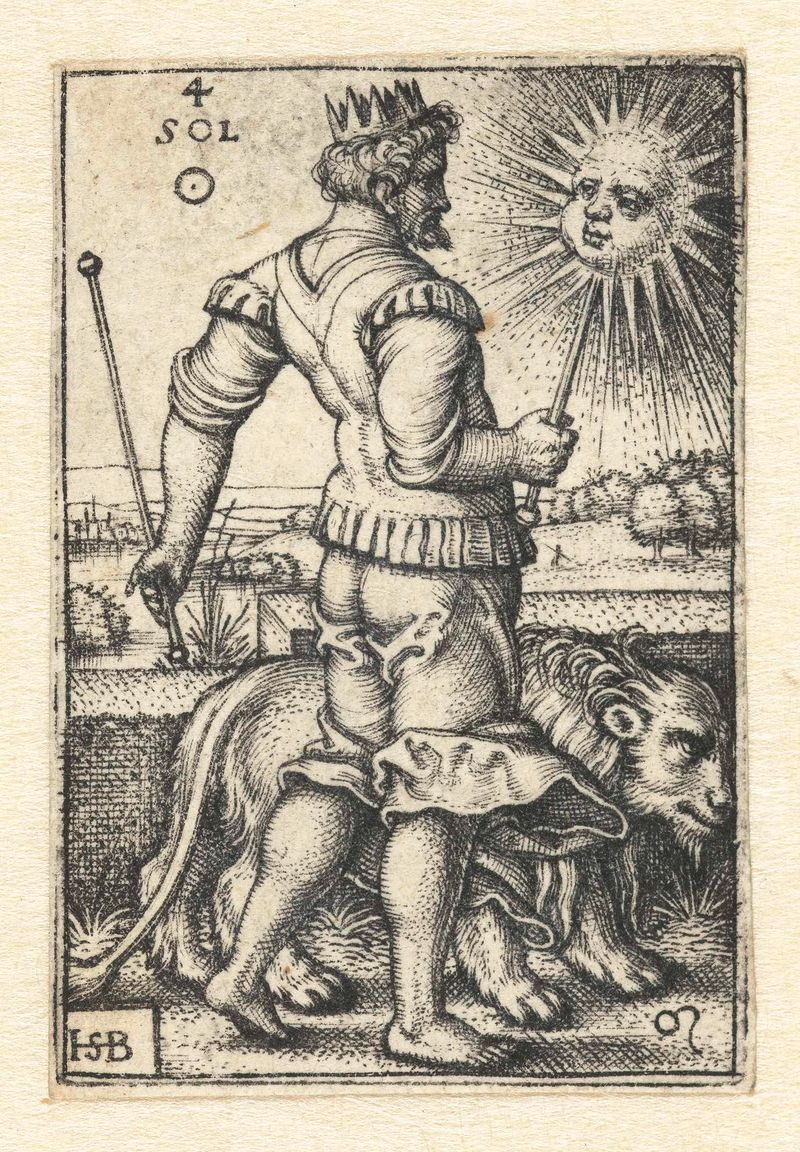
Apollo (Sol) met sterrenbeeld Leeuw
Hans Sebald Beham
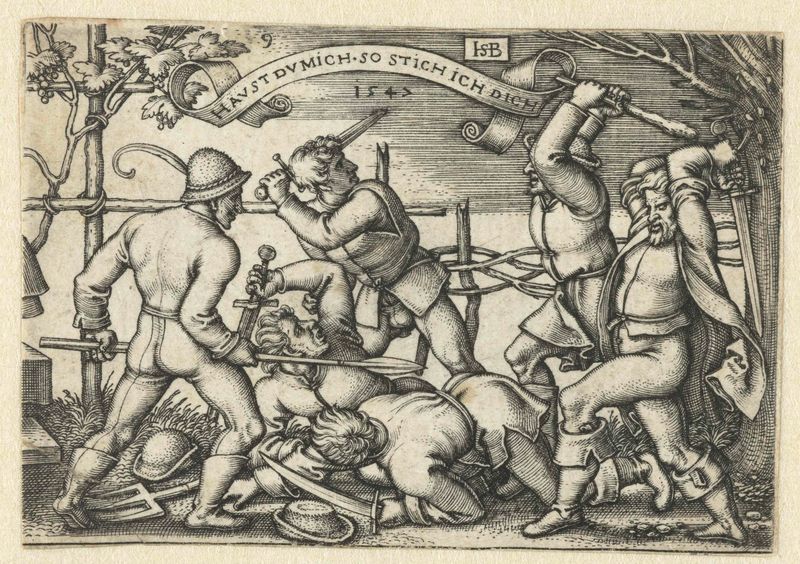
Vechtende boeren met zwaarden
Hans Sebald Beham
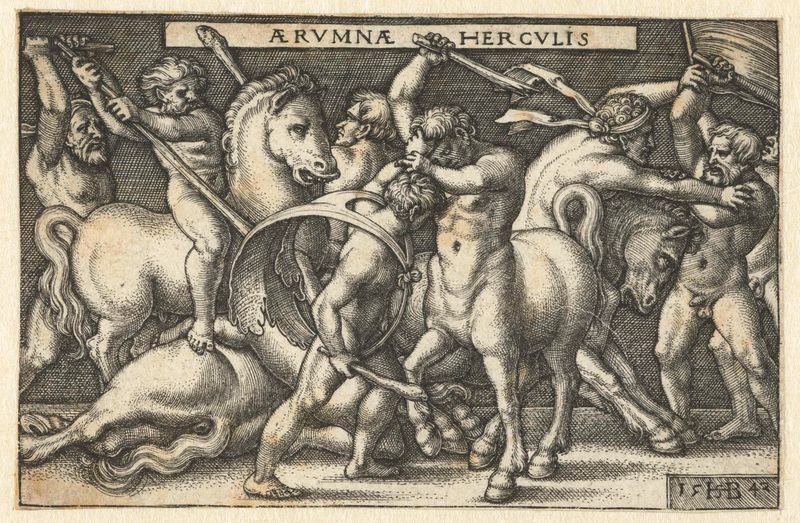
Hercules in gevecht met centaurs
Hans Sebald Beham
More Portrait Art
Browse all →
Las meninas
Diego Velázquez

Self-portrait with a Bandaged Ear and Pipe
Unidentified artist

Girl with a Pearl Earring
Johannes Vermeer

The Sampling Officials of the Amsterdam Drapers’ Guild, Known as ‘The Syndics’
Rembrandt van Rijn

The Hundred Guilder Print: the man seen on the back in the lower left corner
Rembrandt van Rijn

Portrait of Dr Gachet
Vincent van Gogh