
Philippus — History & Facts
This sentiment resonates deeply within the essence of destiny, weaving through the intricate details of Philippus. The artwork invites contemplation of fate's unpredictable nature, urging us to peer beyond the surface. Look closely at the figure's expression, the way the delicate features are rendered with meticulous precision. Notice the chiaroscuro—the gentle play of light and shadow across the face, which reveals a sense of inner conflict.
The gold background shimmers, contrasting with the somber tones used for the figure, suggesting a duality between divine promise and earthly struggle. Every brushstroke carries the weight of emotion, inviting the viewer to explore the tension between beauty and turmoil. The composition itself offers layers of meaning; the figure is adorned with regalia that hints at nobility yet evokes a sense of isolation. The intricate details of the garments suggest opulence, while the somber gaze reflects a deeper, unvoiced sorrow.
This juxtaposition can be seen as a commentary on the burdens of destiny, where beauty may guard secrets of suffering. Each element coalesces to ask: is this a celebration of life or a lament for the plight that accompanies it? In 1545, Hans Sebald Beham created this work during a period marked by the complexities of the Reformation and the shifting dynamics of Renaissance art. Living in Nuremberg, he was influenced by the burgeoning movements in printmaking and portraiture.
As a contemporaneous artist, Beham grappled with themes of identity and destiny, reflecting the broader cultural tensions of an era caught between tradition and transformation.
More Artworks by Hans Sebald Beham
Browse all →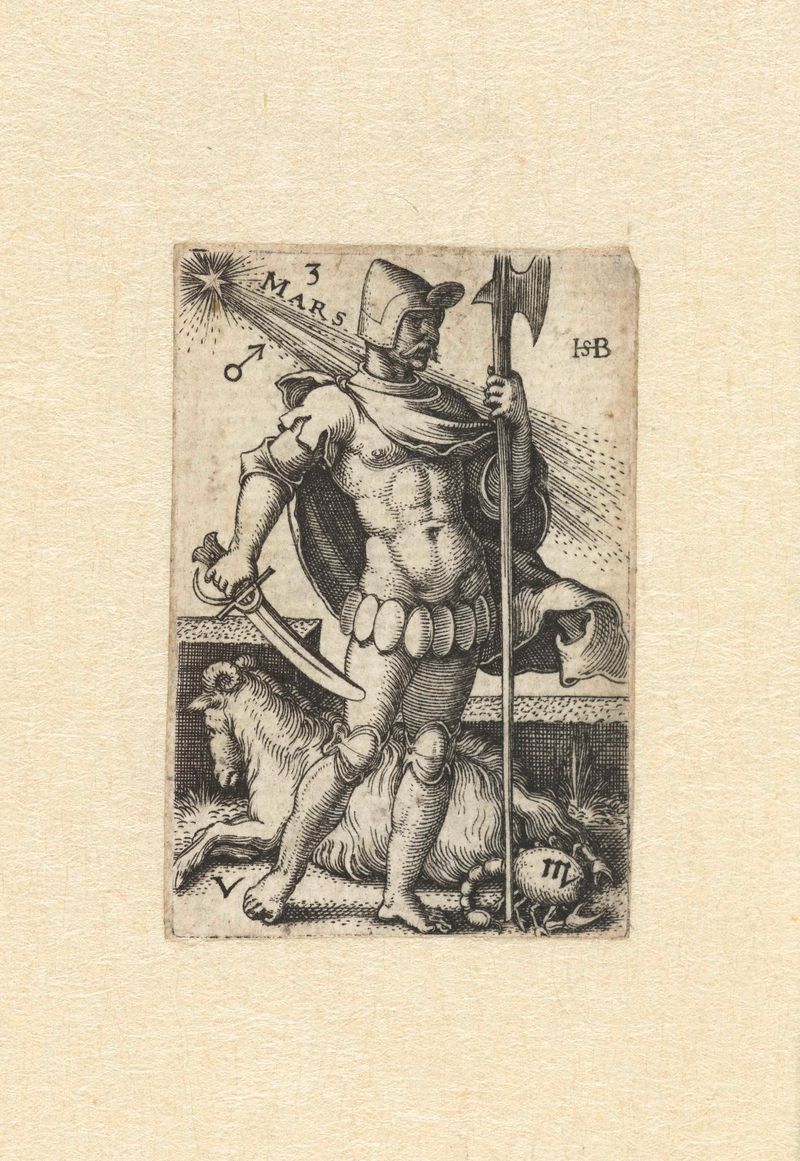
Mars met sterrenbeelden Ram en Schorpioen
Hans Sebald Beham

Achilles in gevecht met Hector
Hans Sebald Beham
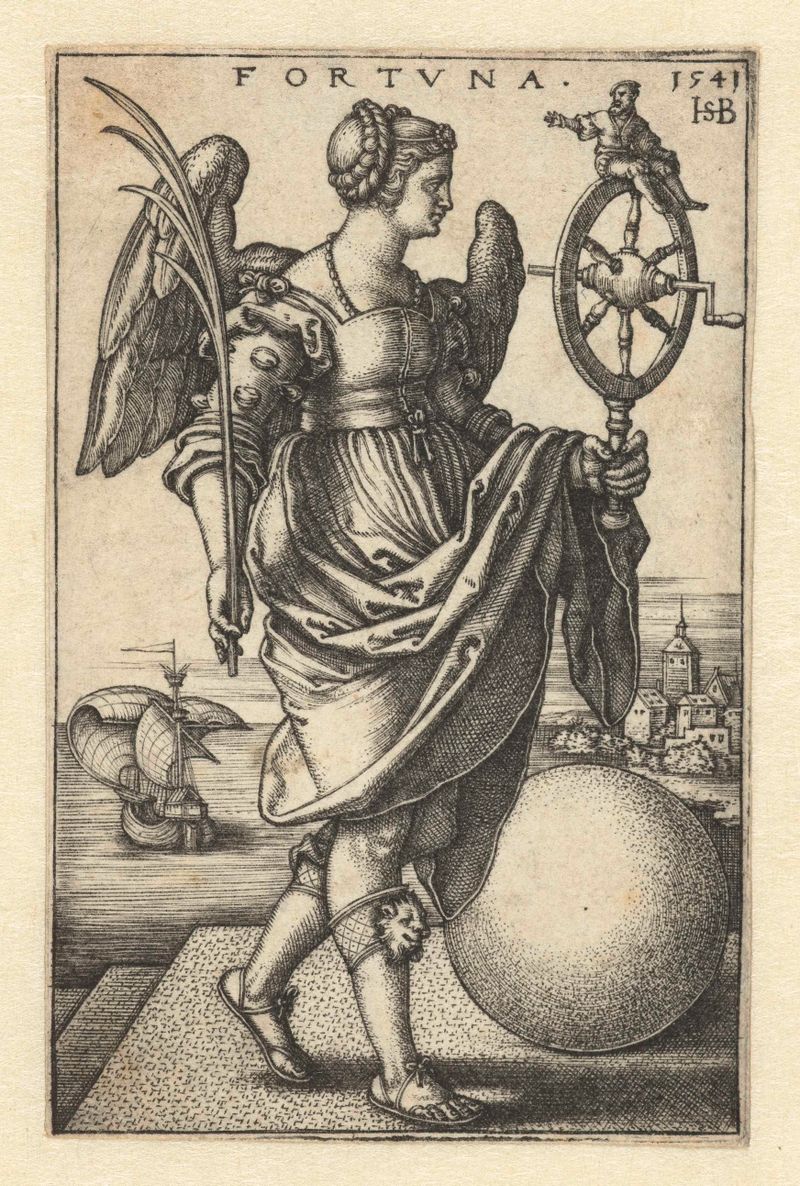
Fortuna
Hans Sebald Beham

Hercules worstelt met Antaeus
Hans Sebald Beham

Twee muzikanten met schalmey en doedelzak
Hans Sebald Beham

Voorzichtigheid (Prudentia)
Hans Sebald Beham

Hercules in gevecht met de Trojanen
Hans Sebald Beham
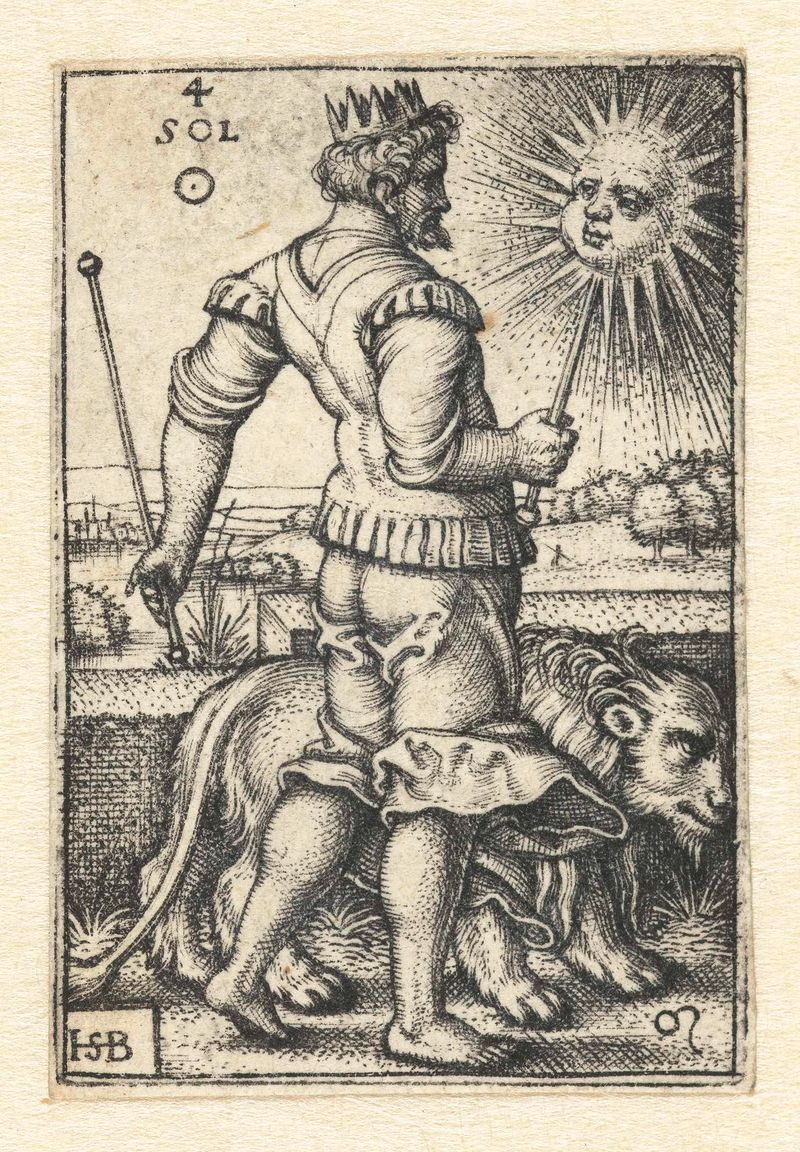
Apollo (Sol) met sterrenbeeld Leeuw
Hans Sebald Beham
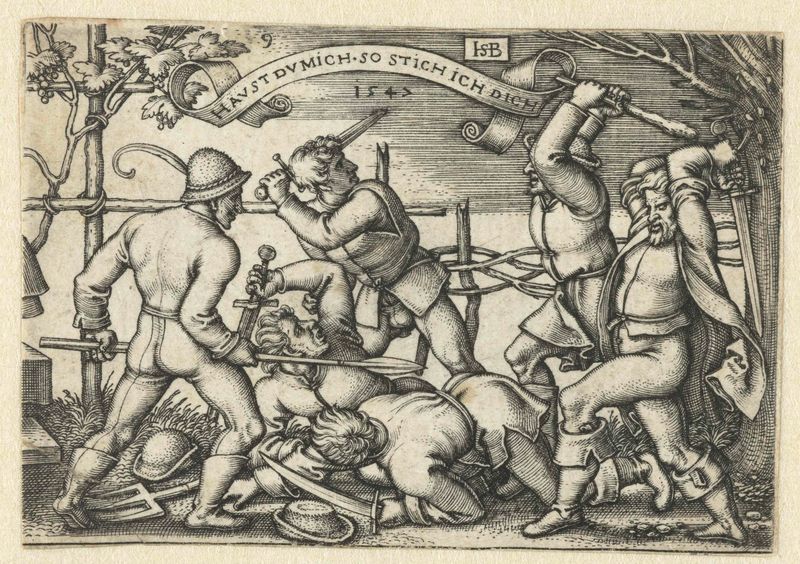
Vechtende boeren met zwaarden
Hans Sebald Beham
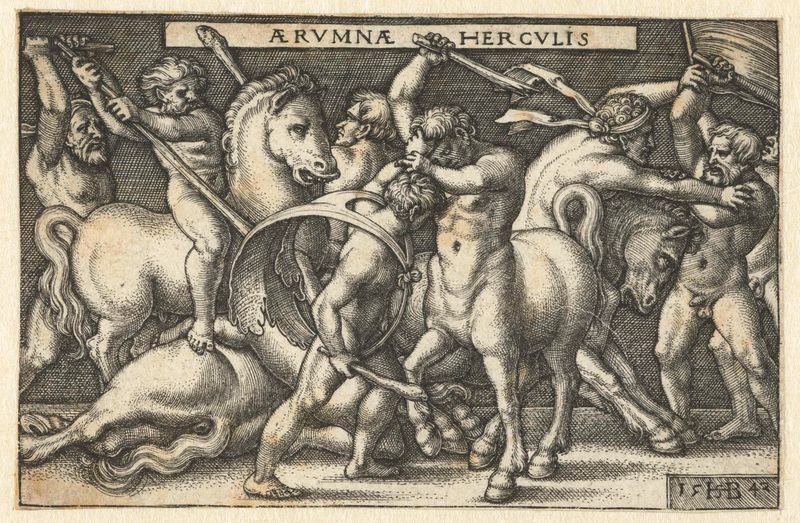
Hercules in gevecht met centaurs
Hans Sebald Beham
More Portrait Art
Browse all →
Las meninas
Diego Velázquez

Self-portrait with a Bandaged Ear and Pipe
Unidentified artist

Girl with a Pearl Earring
Johannes Vermeer

The Sampling Officials of the Amsterdam Drapers’ Guild, Known as ‘The Syndics’
Rembrandt van Rijn

The Hundred Guilder Print: the man seen on the back in the lower left corner
Rembrandt van Rijn

Portrait of Dr Gachet
Vincent van Gogh