
Plankenberg — History & Facts
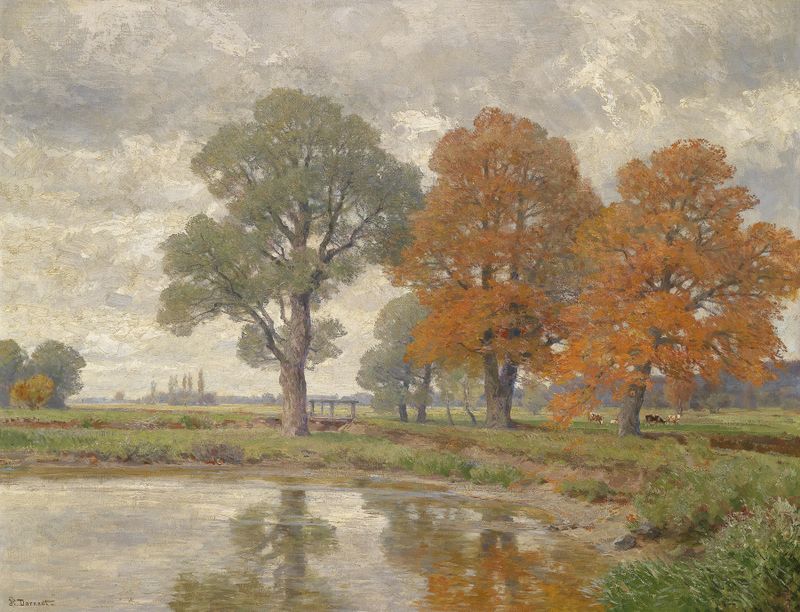
Could beauty survive in a century of chaos? The question lingers like a whispered secret, challenging the heart as it confronts the canvas before us. Look to the vibrant strokes that outline the landscape, revealing a rich tapestry of colors that pulse with life. The horizon, a cascade of greens and blues, invites your gaze upward, where a gentle light seems to break through the tumultuous clouds. Notice how the painter’s brush dances, creating texture that mirrors the disarray of nature while hinting at its resilience.
Each curve and swirl of paint captures a moment of stillness amidst the chaos, inviting contemplation and a sense of tranquility. Within this serene setting lies a powerful juxtaposition, where the fragile beauty of the landscape stands boldly against the shadow of unrest. The sweeping trees, though weathered, seem to reach for a higher purpose, symbolizing rebirth and hope against a backdrop of uncertainty. The colors oscillate between light and dark, suggesting the constant interplay between despair and renewal that defines our existence. Hugo Darnaut created Plankenberg during a time when the art world grappled with rapid changes and turbulence.
The exact date of this piece is unknown, but it was crafted amidst the avant-garde movements of the early 20th century, a period marked by both innovation and the aftermath of war. Darnaut’s work reflects a quest for meaning and beauty in a world teetering on the edge, capturing a fleeting moment of harmony that resonates deeply amidst the clamor of life.
More Artworks by Hugo Darnaut
Browse all →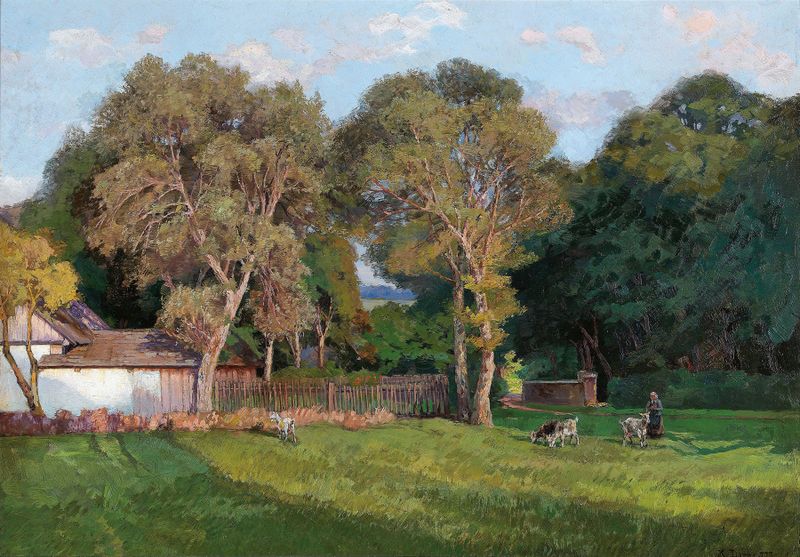
Aus dem Wienerwald
Hugo Darnaut
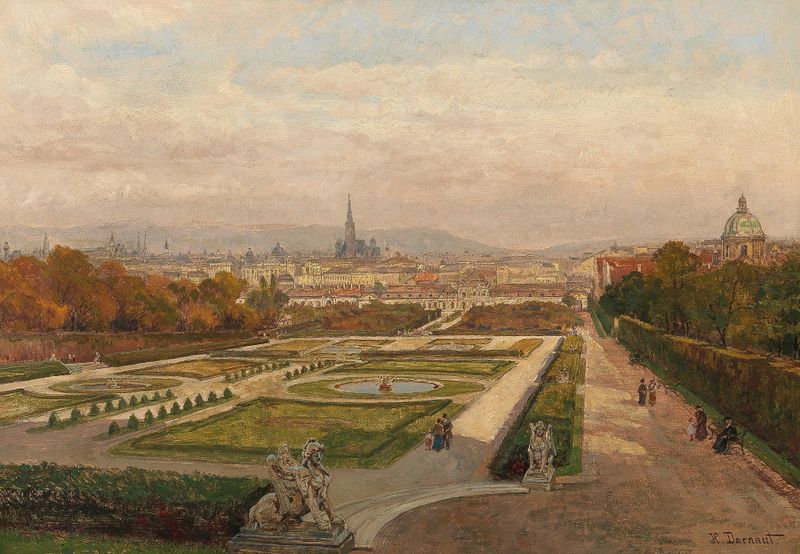
Blick vom Belvedere auf Wien
Hugo Darnaut

Motiv aus Plankenberg
Hugo Darnaut

In einem Wiener Garten (II., Praterstraße 60)
Hugo Darnaut

A Scene at Dusk in Late Autumn
Hugo Darnaut
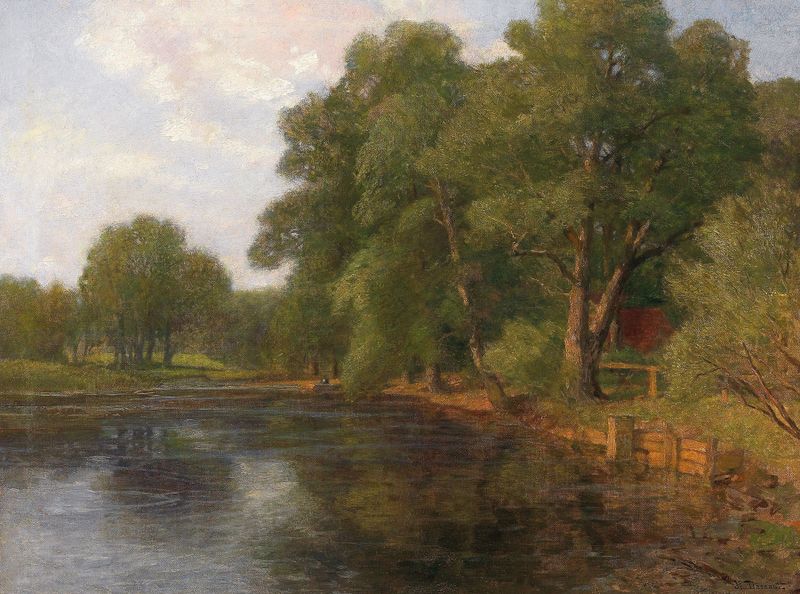
Motiv bei Plankenberg
Hugo Darnaut

Die Ruine Starhemberg im Piestingtal
Hugo Darnaut
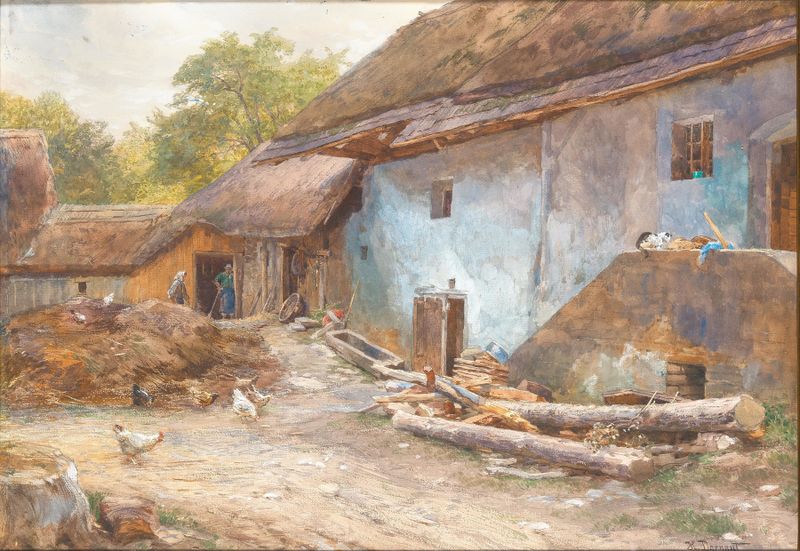
Niederösterreichischer Bauernhof
Hugo Darnaut

River Landscape with Small Herd of Cows and a Village in the background
Hugo Darnaut
Spätherbsttag
Hugo Darnaut





