
Platz — History & Facts
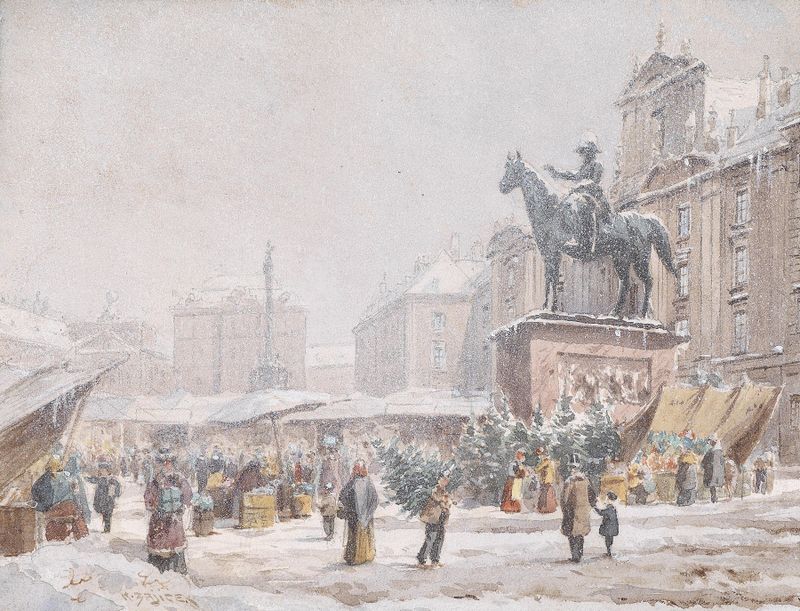
Can beauty exist without sorrow? This profound inquiry lingers in the air, like the faint echo of a forgotten melody, inviting us to contemplate the interplay of emotions that shape our reality. Focus on the intricate details which beckon you in from the edges of Platz. Notice the delicate brushwork that cradles the figures in a tender embrace of color, with muted earth tones juxtaposed against hints of vibrant hues. The composition is carefully balanced, leading the eye to the central figure who stands with an expression that speaks volumes—a mixture of longing and serenity, creating a poignant dialogue between presence and absence.
The light floods softly, illuminating parts of the scene that seem to breathe with life while shadows linger, hinting at deeper currents beneath the surface. As you delve deeper, consider the emotional tensions woven into the artwork. The juxtaposition of light and dark reflects the duality of human experience—a celebration of beauty intertwined with an undercurrent of melancholy. The placement of each figure suggests a narrative of connection and solitude, where each gaze seems to search for understanding within the collective silence.
The intimacy of this gathering evokes a sense of awe, pulling us into a moment that is both timeless and transient. Zajicek created Platz during a period when artistic movements were experimenting with abstraction and emotional expression. The era, marked by a post-war longing for peace and reflection, shaped his approach to depicting the human condition. The artist's personal journey, intertwined with broader cultural shifts, led him to explore themes that resonate with the complexities of existence, making this piece not just a visual experience, but a meditation on life itself.
More Artworks by Karl Wenzel Zajicek
Browse all →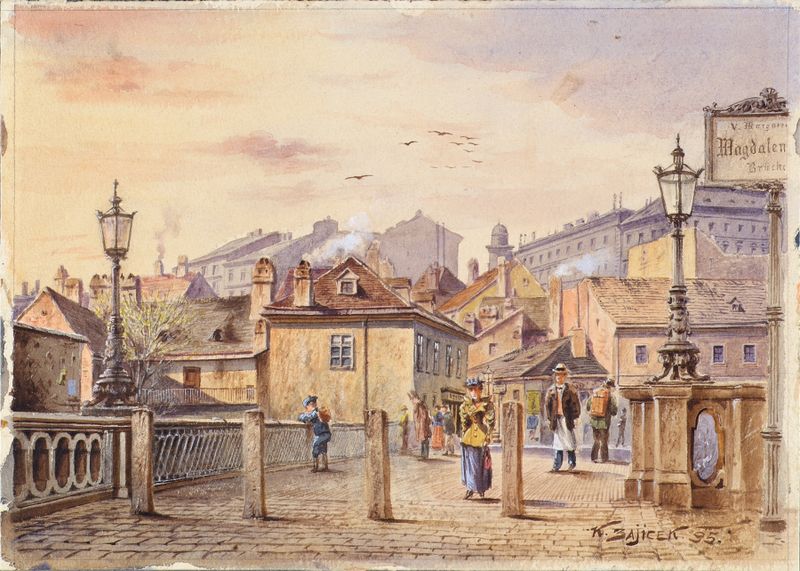
Die Magdalenenbrücke über den Wienfluss
Karl Wenzel Zajicek
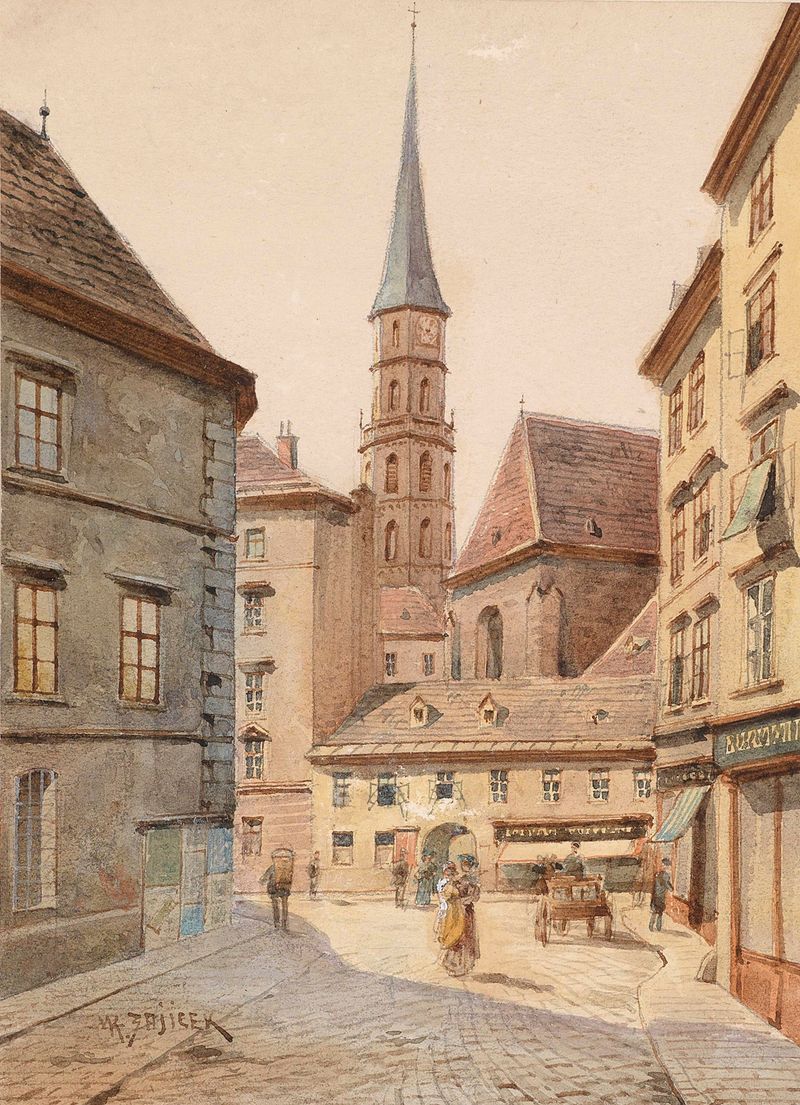
Blick von der Stallburggasse zur Michaelerkirche
Karl Wenzel Zajicek
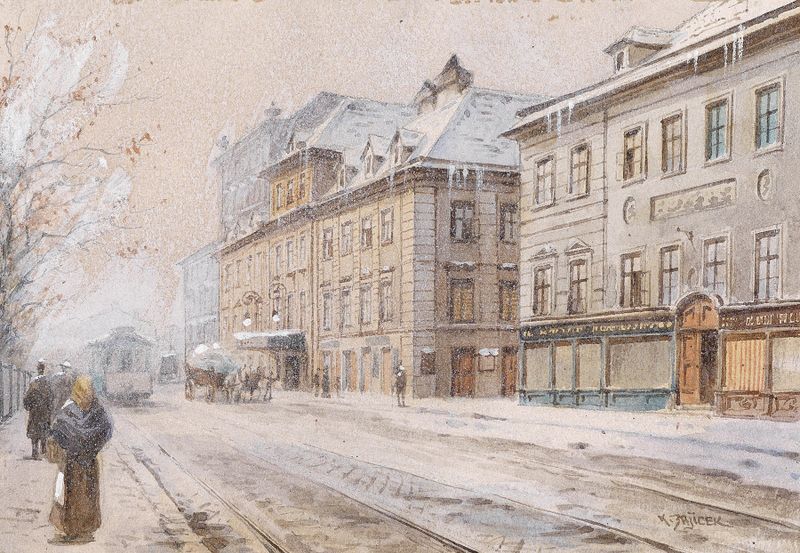
Theater an der Wien im Winter
Karl Wenzel Zajicek
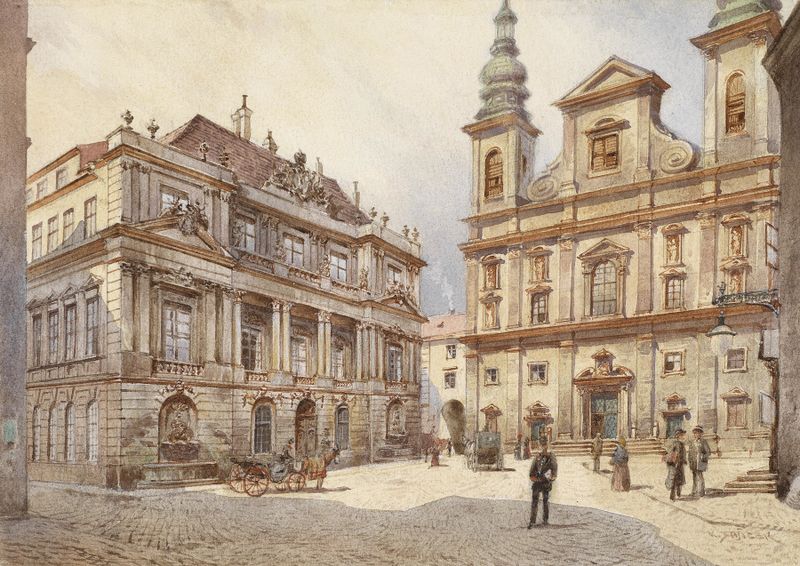
Wien Jesuitenkirche und alte Universität
Karl Wenzel Zajicek
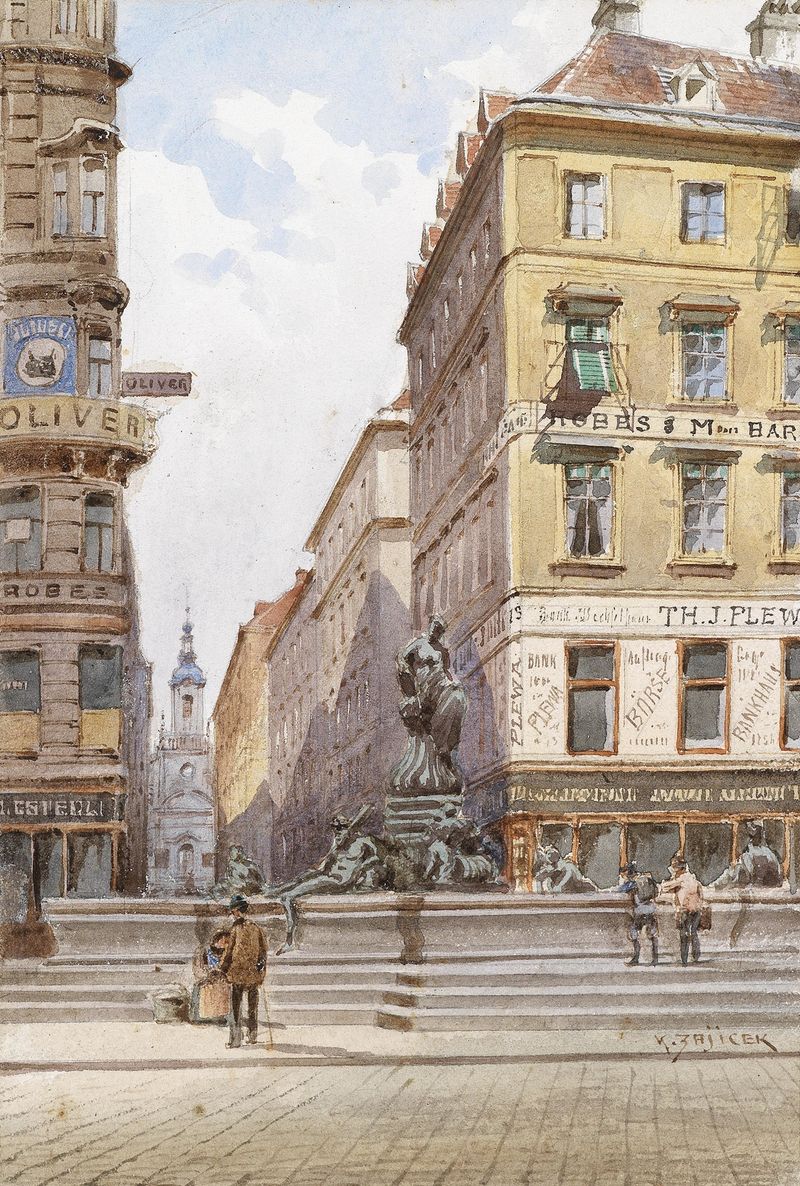
Donnerbrunnen am Neuen Markt
Karl Wenzel Zajicek
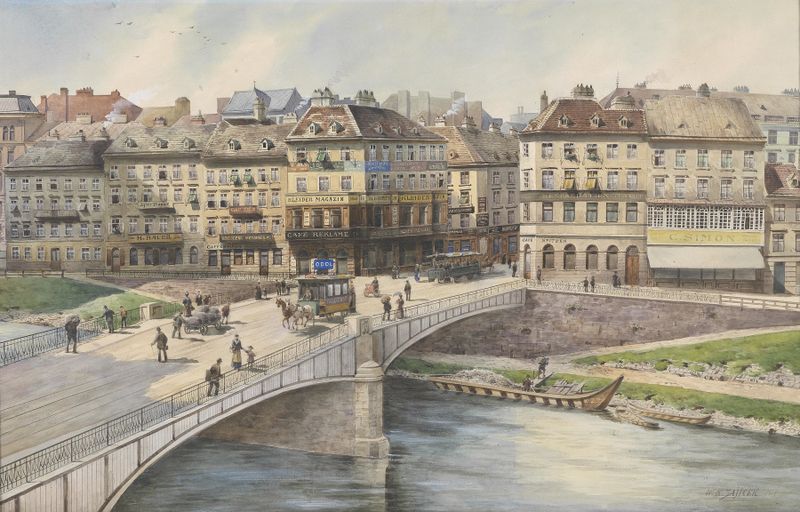
Blick über den Donaukanal
Karl Wenzel Zajicek
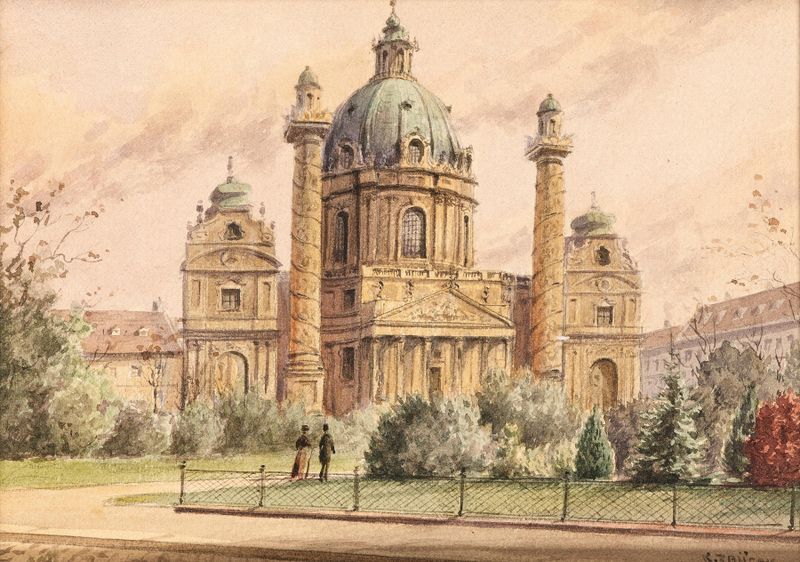
Saint Charles’ s Church in Vienna
Karl Wenzel Zajicek
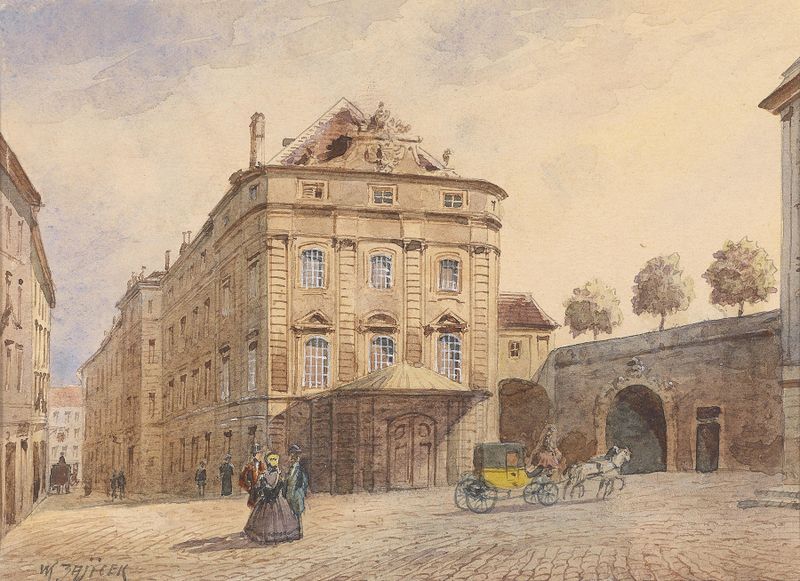
Kärtnertortheater
Karl Wenzel Zajicek
Christkindlmarkt Am Hof
Karl Wenzel Zajicek
Wien Graben
Karl Wenzel Zajicek





