
Pomahaka valley, Otago — History & Facts
The allure of landscapes often conceals the yearning within them, a desire for connection that transcends the visible. Look to the left at the rolling hills, their gentle curves painted in rich greens and muted browns, inviting you into the depth of the scene. Notice how the sunlight spills over the mountain peaks, illuminating the clouds with a soft golden hue that contrasts starkly against the shadowed valleys below. The brushwork is delicate yet deliberate, capturing the texture of the foliage and the ruggedness of the terrain, inviting both admiration and introspection. Beneath the surface of this picturesque vista lies an emotional undertow.
The sweeping expanse suggests an unquenchable thirst for exploration, while the looming mountains evoke a sense of isolation. This juxtaposition of beauty and solitude reflects the artist's own longing for connection with nature, revealing the duality of desire that can drive one toward both adventure and introspection. The luminous skies can be seen as a metaphor for hope, while the dark valleys may symbolize the existential struggles that accompany such aspirations. In 1866, while working on this piece, the artist was immersed in the natural splendor of New Zealand, a burgeoning subject for many European artists.
Chevalier was navigating his own journey as an artist, balancing his professional ambitions with the intimate challenges of life. This painting emerges from a time when the allure of the unknown was both a source of inspiration and a reflection of the artist’s personal aspirations amid a transforming world.
More Artworks by Nicholas Chevalier
Browse all →
Coast near Dunedin
Nicholas Chevalier
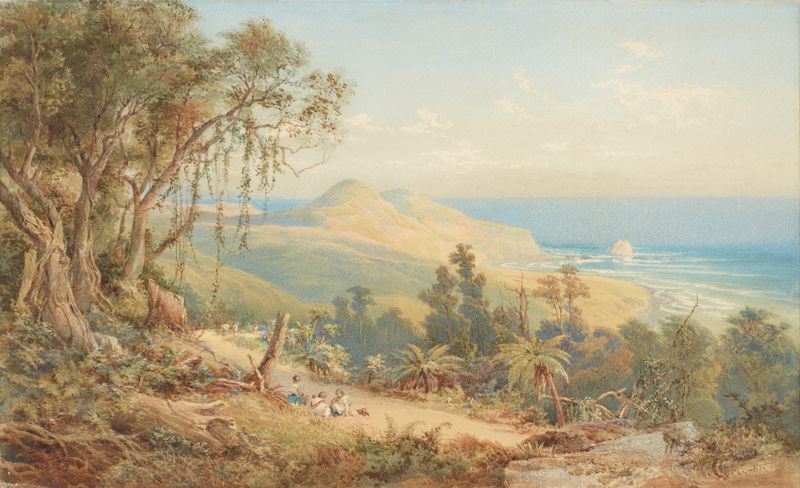
Sandfly Bay, Otago
Nicholas Chevalier

Buckler Burn at the head of Wakatipu Lake
Nicholas Chevalier

Mr MacKellar’s Station, the Waimea Plains, Southland
Nicholas Chevalier
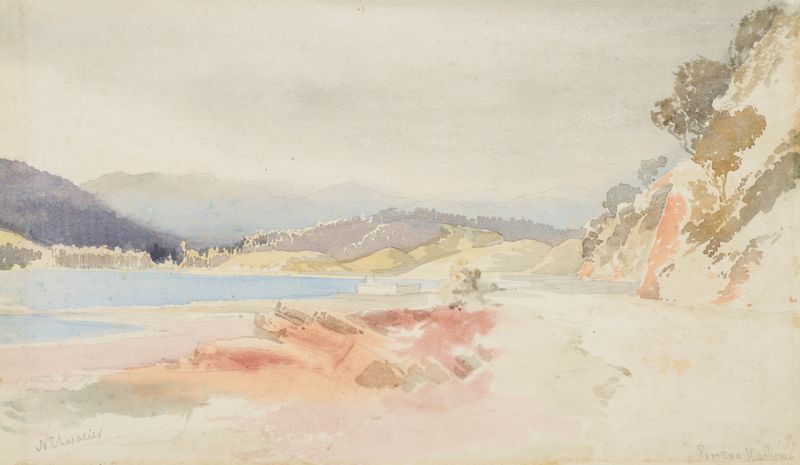
Porirua Harbour
Nicholas Chevalier
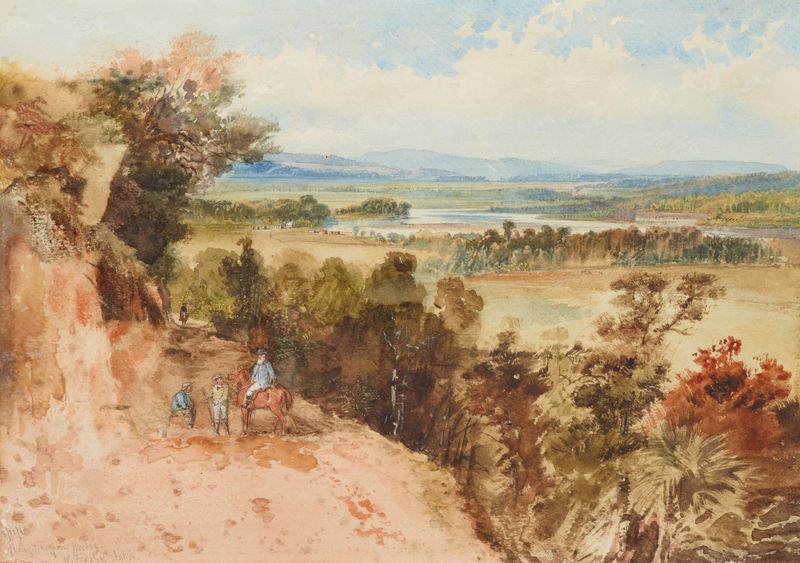
Rangitikei from Westoe, W. Fox Esq’s Station
Nicholas Chevalier

The Upper Rangitikei
Nicholas Chevalier
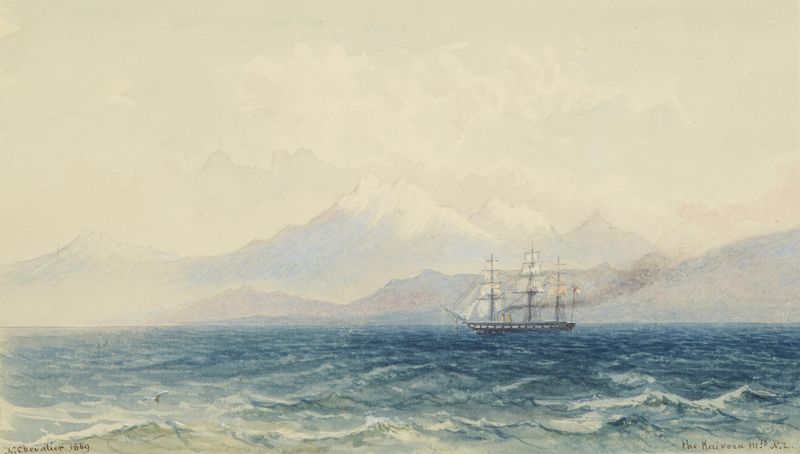
The Kaikoura Mountains, N.Z.
Nicholas Chevalier

Upper Hutt Valley
Nicholas Chevalier

The Tararua Mountains and the Waipoua River
Nicholas Chevalier





