
Pont de Fribourg — History & Facts
Where does light end, and longing begin? This question permeates the essence of the work, inviting viewers to explore the delicate interplay between illumination and emotion. Look to the center of the canvas, where the bridge emerges, a steadfast structure connecting two banks, symbolizing both separation and union. The gentle hues of twilight wash over the scene, blending blues and soft golds that evoke a sense of nostalgia. Notice how the light dances on the water below, transforming ripples into glimmers of hope and memory, while shadows linger at the edges, suggesting something unseen yet profoundly felt. The bridge, with its solid arches, stands in stark contrast to the ephemeral nature of the surrounding landscape.
There is a tension between stability and vulnerability, as each side of the river represents differing emotional landscapes — one side bathed in light, the other cast in shadow. This duality echoes the human experience of yearning; longing often exists in spaces between what is known and what is desired, making the viewer contemplate their own bridges and distances. Jean Jacottet created Pont de Fribourg during a period in which the art world was grappling with the transition from Romanticism to Modernism. Working in Switzerland, he captured this moment of introspection amid a shifting cultural landscape.
Influenced by the natural beauty surrounding him and the emerging techniques of color and light, Jacottet distilled his observations into an artwork that resonates with longing, a feeling that remains timeless.
More Artworks by Jean Jacottet
Browse all →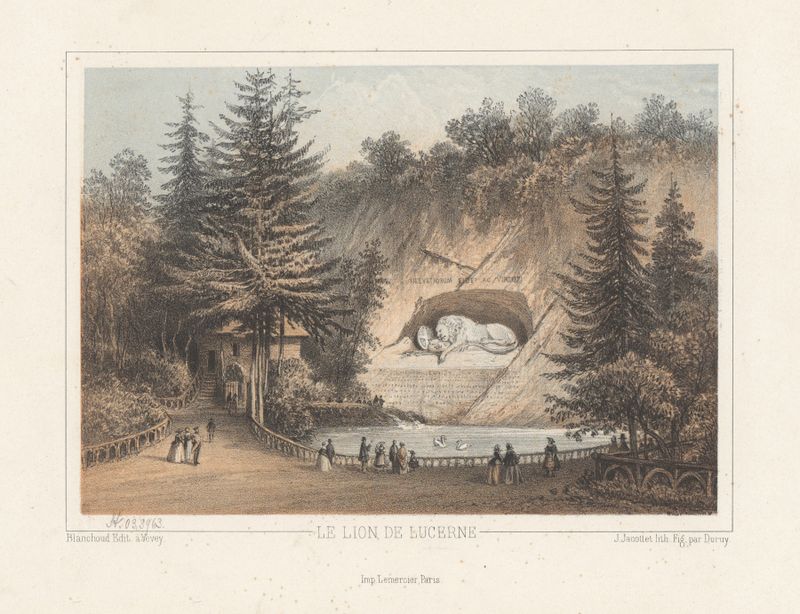
Le lion de Lucerne
Jean Jacottet
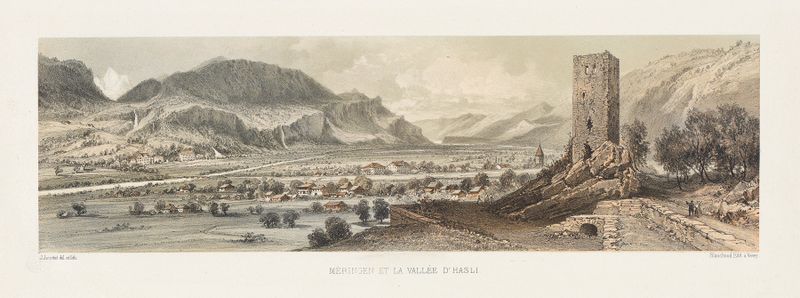
Méringen et la vallée d’Hasli
Jean Jacottet
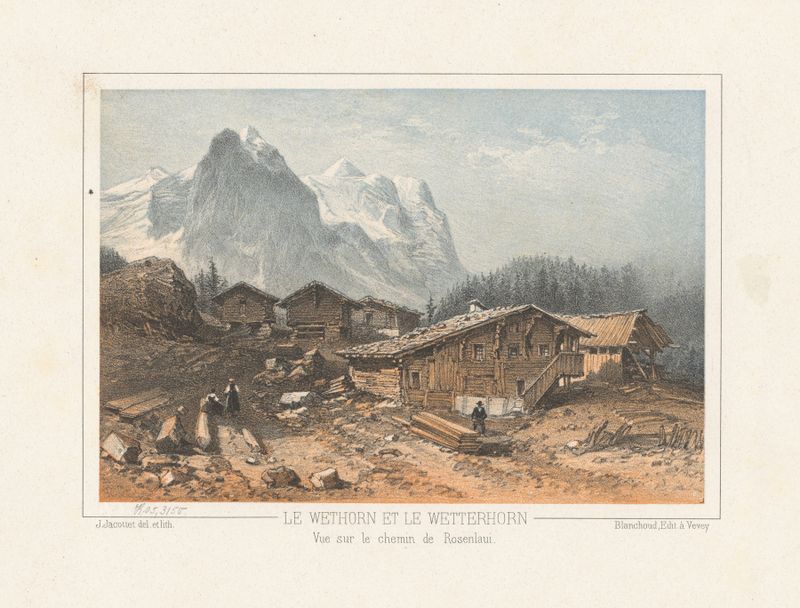
Le Wethorn et le Wetterhorn Vue sur le chemin de Rosenlaui
Jean Jacottet
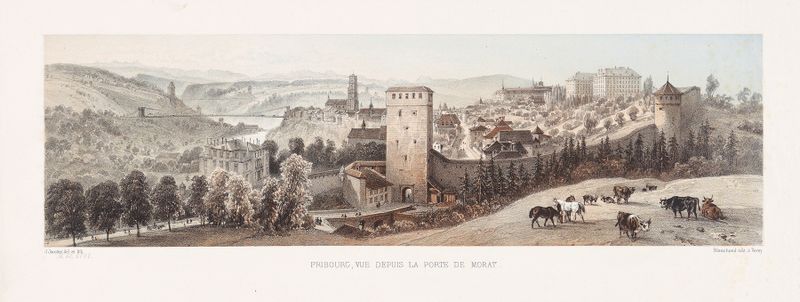
Fribourg, vue depuis la porte de Morat
Jean Jacottet
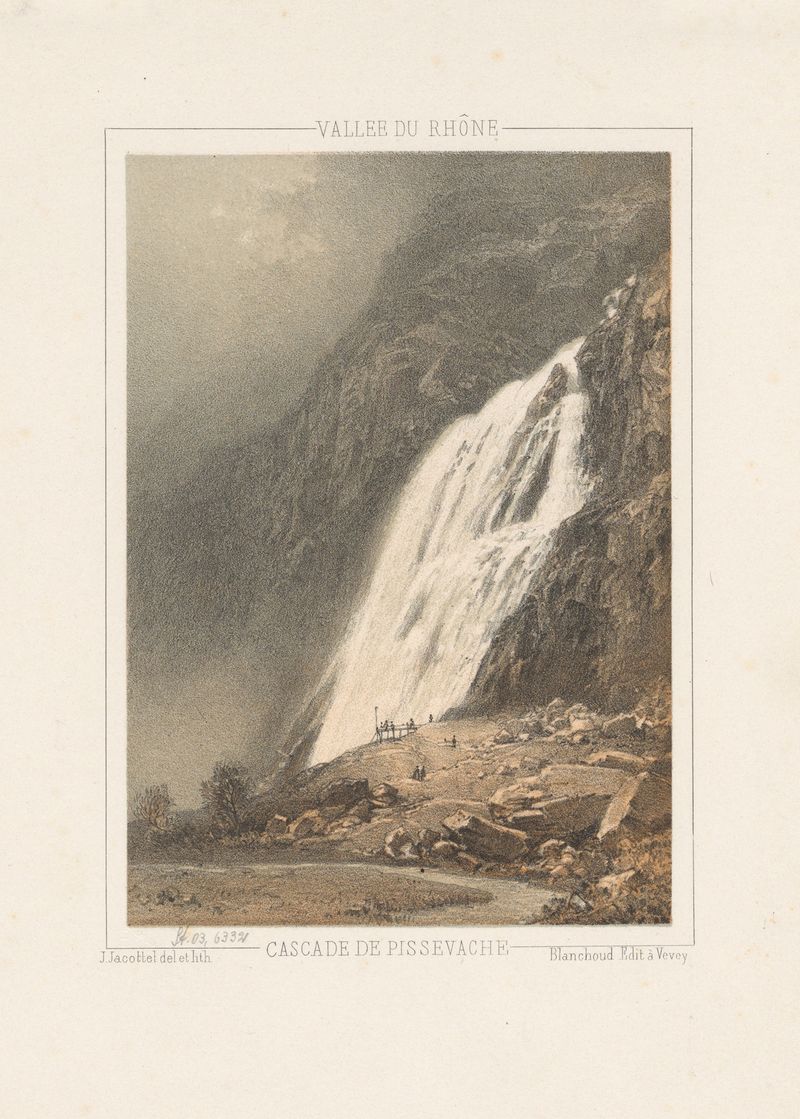
Cascade de Pissevache
Jean Jacottet
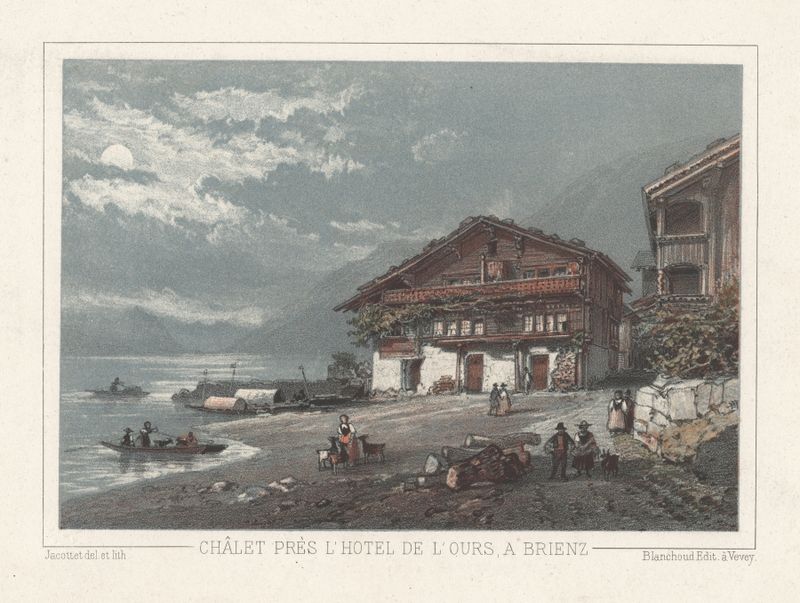
Châlet près l’Hotel de l’Ours, a Brienz
Jean Jacottet
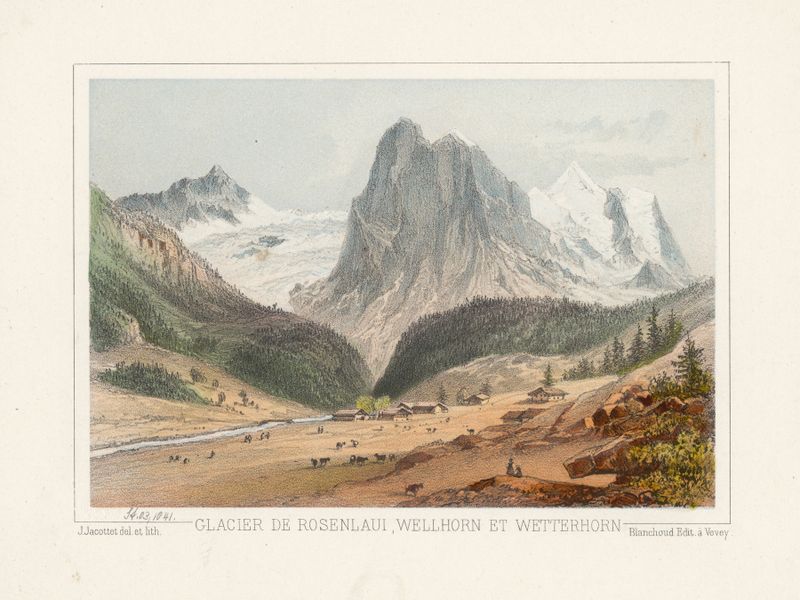
Glacier de Rosenlaui, Wellhorn et Wetterhorn
Jean Jacottet
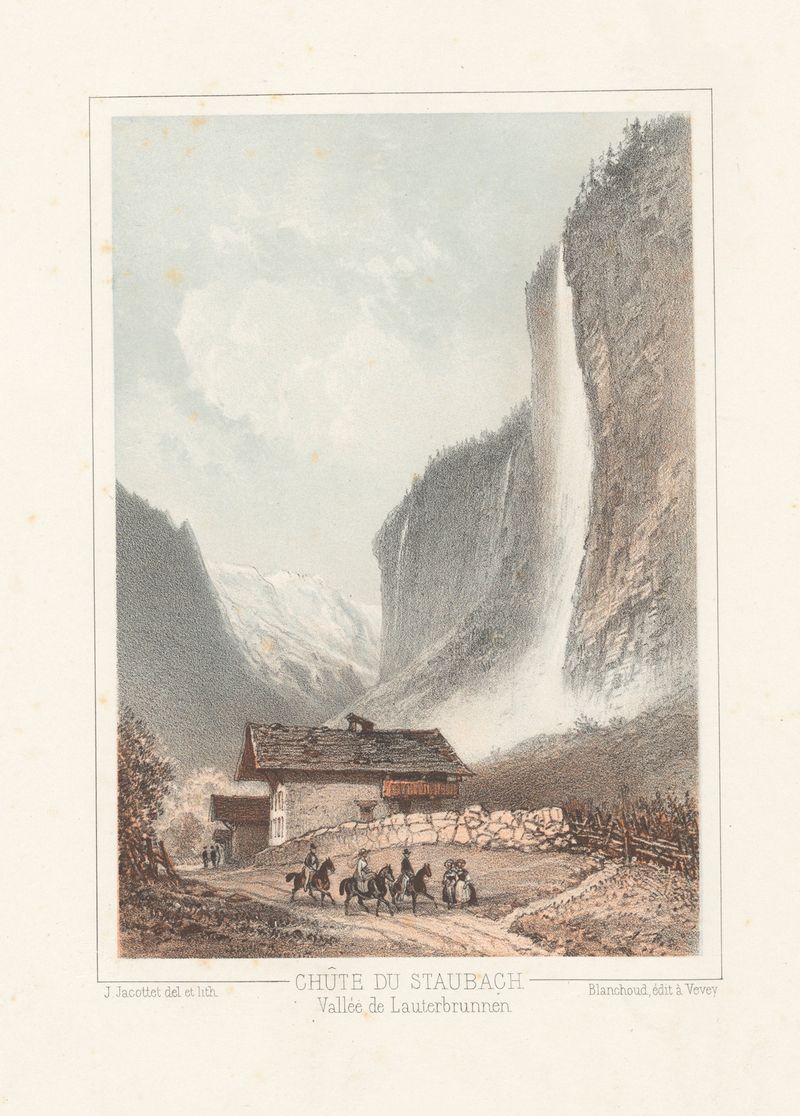
Chûte du Staubach Vallée de Lauterbrunnen
Jean Jacottet
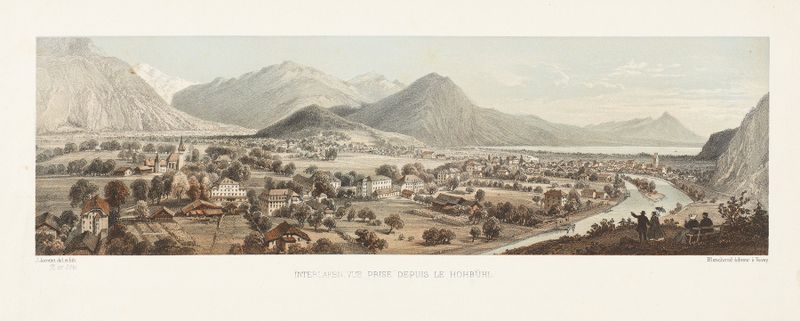
Interlaken, vue prise depuis le Hohbühl
Jean Jacottet
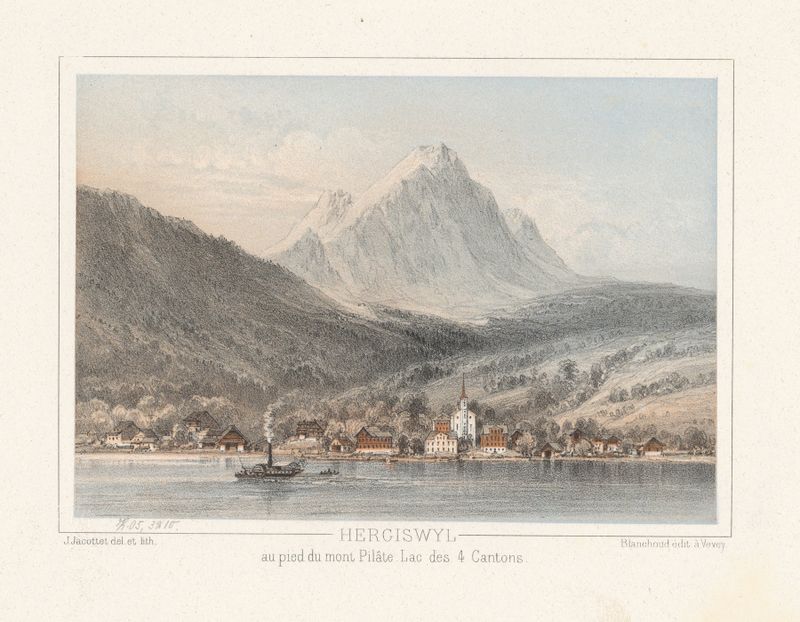
Hergiswyl au pied du mont Pilâte. Lac des 4 Cantons
Jean Jacottet





